Selling Your Albuquerque Home in August 2026 When You Have a Swamp Cooler: How Refrigerated Air Upgrades, Appraisal Adjustments, and Buyer Expectations Are Changing What HVAC Means to Your Net Proceeds
August in Albuquerque is not subtle. By the time the monsoons roll in off the Sandias and the humidity spikes from a dry 10 percent to a sticky 50 percent overnight, your evaporative cooler stops doing its job. Everyone who has lived here long enough knows the drill: you flip on the swamp cooler in May, enjoy it through June, and then spend July and August sweating through sheets while the unit pushes warm, damp air through your house. If you are selling your home in that window, buyers know it too.
Selling a home with a swamp cooler in Albuquerque has always required a conversation. In 2026, that conversation is more consequential than it has ever been. Buyer expectations have shifted, appraiser guidelines have tightened, and the refrigerated air conversion market has matured enough that sellers now have real choices with real financial implications. This post walks you through all of it, from what the numbers actually look like on a typical Northeast Heights ranch to how you can make a smart decision about your net proceeds before you ever put a sign in the yard.
Swamp Cooler vs Refrigerated Air: What Albuquerque Buyers Actually Think in 2026
Spend an afternoon at an open house on Eubank or Montgomery and you will hear the same comment over and over: "Does it have refrigerated air?" It is asked the same way buyers ask about a two-car garage or updated kitchen. It has become a baseline expectation in most price ranges, and that shift happened faster than a lot of longtime homeowners realize.
Evaporative coolers, also called swamp coolers, work beautifully in Albuquerque's dry spring climate. From April through mid-June, they are efficient, economical, and genuinely effective. But from late July through September, when the North American Monsoon pushes relative humidity into ranges that defeat the physics of evaporative cooling, those units struggle. Buyers who have lived here know this. Buyers relocating from Phoenix, Denver, or Texas know to ask about it because their real estate agents told them to.
The 2026 buyer pool in Albuquerque is also skewing younger and more tech-informed. Remote workers who landed in the North Valley or near Nob Hill during the post-pandemic migration wave are now reselling and moving up. They spent their first Albuquerque summer learning the hard way. They are not doing it again, and they are not buying a home where they will have to.
- •Buyers in the $350,000 to $500,000 range now routinely flag swamp-cooler-only homes as requiring a concession or upgrade
- •First-time buyers using FHA or VA financing sometimes face additional scrutiny if the cooling system cannot adequately serve the home year-round
- •Investors and flippers have largely standardized refrigerated air in their renovated properties, raising the perceived baseline even in starter-home neighborhoods
“"A swamp cooler is not a dealbreaker in Albuquerque, but it is a negotiating point. In August, when buyers are touring your home and it is 95 degrees outside and humid, it becomes a very loud negotiating point."
How Appraisers Are Treating HVAC Systems in Albuquerque Home Sales
This is where things get specific and where a lot of sellers are caught off guard. Appraisal adjustments for refrigerated air in Albuquerque have become more standardized in recent years, and in 2026 the gap between a home with central refrigerated air and a comparable home with only evaporative cooling is being documented more consistently than it was even three years ago.
Appraisers working the Albuquerque metro use paired sales analysis to establish adjustments. When they can find two nearly identical homes in the same neighborhood, one with refrigerated air and one without, the price difference becomes the basis for an adjustment. In established neighborhoods like Four Hills, Tanoan, or the streets east of Wyoming near Menaul, those paired sales are increasingly available and the data is clear.
Typical appraiser adjustments for refrigerated air vs evaporative cooler home value in Albuquerque currently run in the range of $8,000 to $18,000 depending on the size of the home, the neighborhood, and the quality of the existing system. On a home priced near the metro median of $385,000, that is a meaningful swing. It can be the difference between an appraisal that supports your contract price and one that comes in short and blows up your deal at the worst possible moment.
What Appraisers Are Actually Looking For
Appraisers are not just noting the presence or absence of refrigerated air. They are evaluating:
- •Whether the system is ducted or ductless (mini-splits are valued differently than central systems)
- •The age and condition of the equipment
- •Whether the home has dual HVAC, meaning both a refrigerated system and a functional evaporative cooler, which some buyers actually prefer for dry-season efficiency
- •Whether permits were pulled for the conversion and whether the work was done by a licensed contractor
- •The size of the system relative to the square footage of the home
That last point about permits matters more than sellers expect. An unpermitted refrigerated air conversion can create complications with lenders and appraisers even if the physical work was done competently. If you converted your system in the last five years and are not certain a permit was pulled, a call to the City of Albuquerque Development Services Department before you list is worth your time.
The Real Cost of a Refrigerated Air Conversion Before You List
Albuquerque has a well-developed network of HVAC contractors who specialize in exactly this conversion, and the market has gotten more competitive. Companies working the I-25 corridor from Bernalillo down to the South Valley have streamlined the process considerably. A full conversion on a typical 1,600-square-foot home, including a new air handler, condenser, and ductwork modifications, generally runs between $9,000 and $16,000 in 2026 depending on the complexity of the job and whether your existing duct system can be adapted.
Mini-split systems, which do not require ductwork and are popular in older homes in Barelas, the Huning Highland Historic District, or the original Nob Hill grid where ductwork installation is invasive and expensive, run between $4,000 and $10,000 for a multi-zone setup that adequately covers a typical older bungalow.
Here is the insider calculation that matters for your Albuquerque home sale in 2026:
- •If a refrigerated air system adds $10,000 to $15,000 in appraised value and helps you avoid a $10,000 buyer concession during negotiation, the conversion can effectively pay for itself and then some
- •If you are already priced at the top of your neighborhood's range and a conversion would push your list price above what comps support, the math works differently
- •Timing matters: scheduling a conversion in June for an August listing gives you time to get permits closed and have documentation ready for your agent and the appraiser
“"The sellers who come out ahead are the ones who run the numbers before they list, not after they get a lowball offer from a buyer who spotted the swamp cooler on the roof during the drive-by."
Local insider tip: Several Albuquerque HVAC companies offer a free assessment specifically for home sellers that includes a written estimate formatted for real estate disclosure purposes. Ask your contractor explicitly for this format. It makes the conversation with buyers and their agents much cleaner and signals that you are a prepared, transparent seller.
What the Current Albuquerque Market Means for Swamp Cooler Sellers
The broader market context matters here because it determines how much negotiating leverage you actually have. With Albuquerque HVAC home sale dynamics playing out against a backdrop of 3,850 active listings and about 3.9 months of inventory, this is not the frenzy market of 2021. Buyers have choices.
The metro median sits at $385,000 and homes are averaging 34 days on market with a list-to-sale ratio of 97.1 percent. That 97.1 percent number is important. It means sellers are, on average, getting very close to their asking price, but not all of it. The buyers who are negotiating that 2.9 percent gap down are finding their leverage somewhere, and HVAC condition is one of the most common pressure points in inspection and appraisal negotiations.
In a market where buyers have 34 days to look around before they feel urgency, a home on Candelaria with a swamp cooler listed in August is going to sit longer than a comparable home on the same street with refrigerated air. Longer days on market creates its own psychology: buyers start wondering what is wrong, agents start suggesting price reductions, and sellers who could have captured a clean sale end up in a grinding negotiation.
Pricing Strategy When You Decide Not to Convert
Not every seller should convert. If your home is a 1950s adobe in the South Valley or a small casita in the North Valley where the character and price point attract a specific buyer, a swamp cooler may be entirely appropriate and expected. The key is pricing it honestly from the start.
Strategies that work for non-converting sellers:
- •Price $10,000 to $15,000 below what a refrigerated-air comparable would support and market the gap as an opportunity for buyers to do the conversion themselves with cash to spare
- •Offer a seller concession toward closing costs or a rate buydown that effectively transfers the conversion cost to the buyer in a form that works better for their financing
- •Be extremely transparent in your listing description so buyers self-select before touring, which saves everyone time and avoids the dramatic moment when someone realizes on a 95-degree August afternoon that the cool air they felt walking in came from a portable unit you plugged in for showings
That last scenario happens more than agents like to admit. Do not be that seller.
How to Talk to Your Agent About HVAC Before You List
If you are working with an experienced Albuquerque listing agent, this conversation should happen in your very first meeting, not as an afterthought. A good agent will pull comps specifically filtered by cooling system type to show you the actual price differential in your specific neighborhood. The numbers on Juan Tabo are different from the numbers in Corrales. The numbers in a 1970s Hoffmantown split-level are different from a newer build near Paseo del Norte.
Questions worth asking your agent:
- •What is the average price per square foot difference between refrigerated and non-refrigerated homes in this specific zip code over the last six months?
- •Have any recent sales in this neighborhood had appraisal issues related to HVAC?
- •What are buyers in this price range requesting during inspection negotiations?
- •If I convert before listing, what timeline do I need to have permits closed before we go active?
The Taylor Team works with buyers and sellers across the Albuquerque metro every day, from the East Mountains to the West Side, and HVAC condition is one of the most consistent variables we see affecting final net proceeds. If you want a specific breakdown for your home and neighborhood before you make any decisions, reach out for a no-pressure pre-listing consultation. We will pull the numbers that are actually relevant to your address, not generic metro averages.
Making the Right Decision for Your Specific Home
The honest answer is that there is no universal right answer for selling a home with a swamp cooler in Albuquerque. It depends on your neighborhood, your price point, your timeline, and how much capital you want to put in before you sell. What is universally true is that going into August listings without having made a deliberate, informed decision about your cooling system is the mistake that costs sellers money.
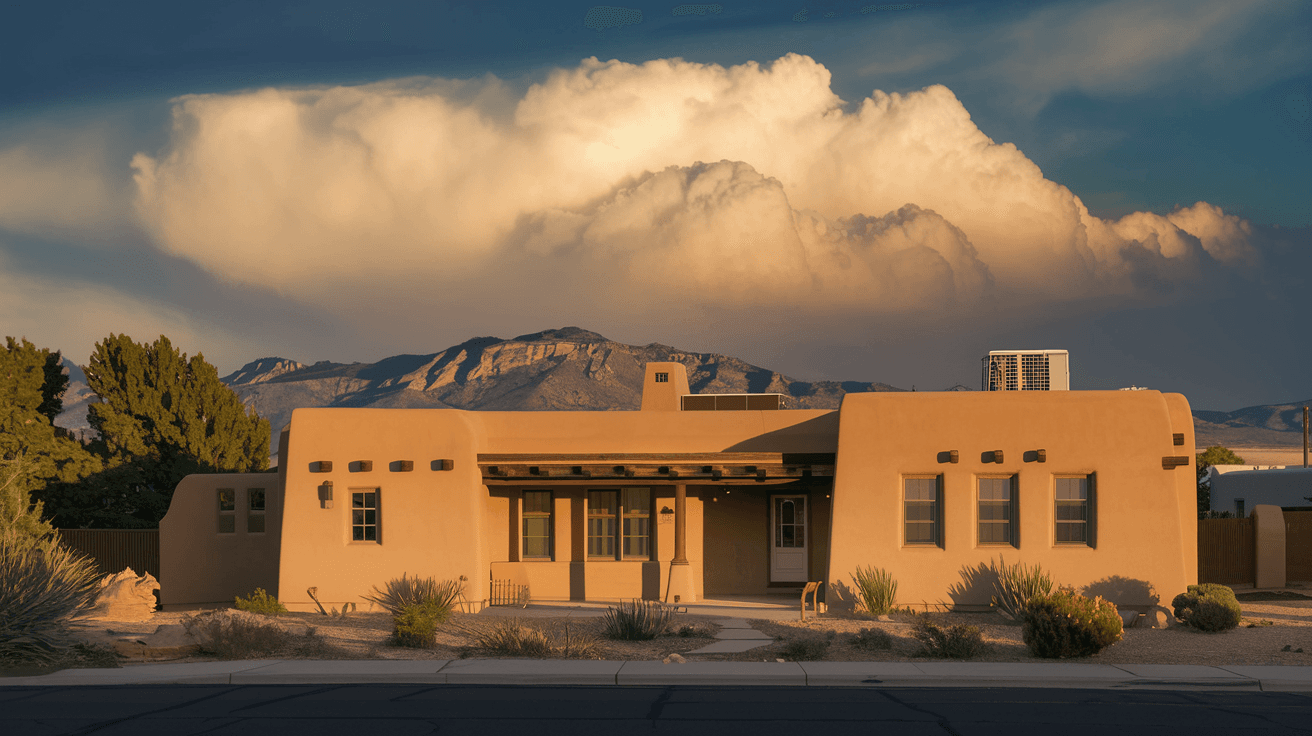
The sellers who net the most are not always the ones who spent the most on upgrades. They are the ones who understood their specific market, made a clear-eyed calculation about what buyers in their price range expected, and priced or prepared accordingly. In Albuquerque's August market, with monsoon clouds stacking up over the Sandias every afternoon, buyers touring homes are thinking about exactly one thing when they walk through your front door: is it going to be comfortable in here come August?
Make sure you have a good answer ready before they ask.
Want more insider intel?
Subscribe to get market updates and new articles delivered to your inbox.