New Mexico Green Chile Culture Albuquerque: How Hatch Chile Season and Food Traditions Shape Where Buyers Put Down Roots in 2026
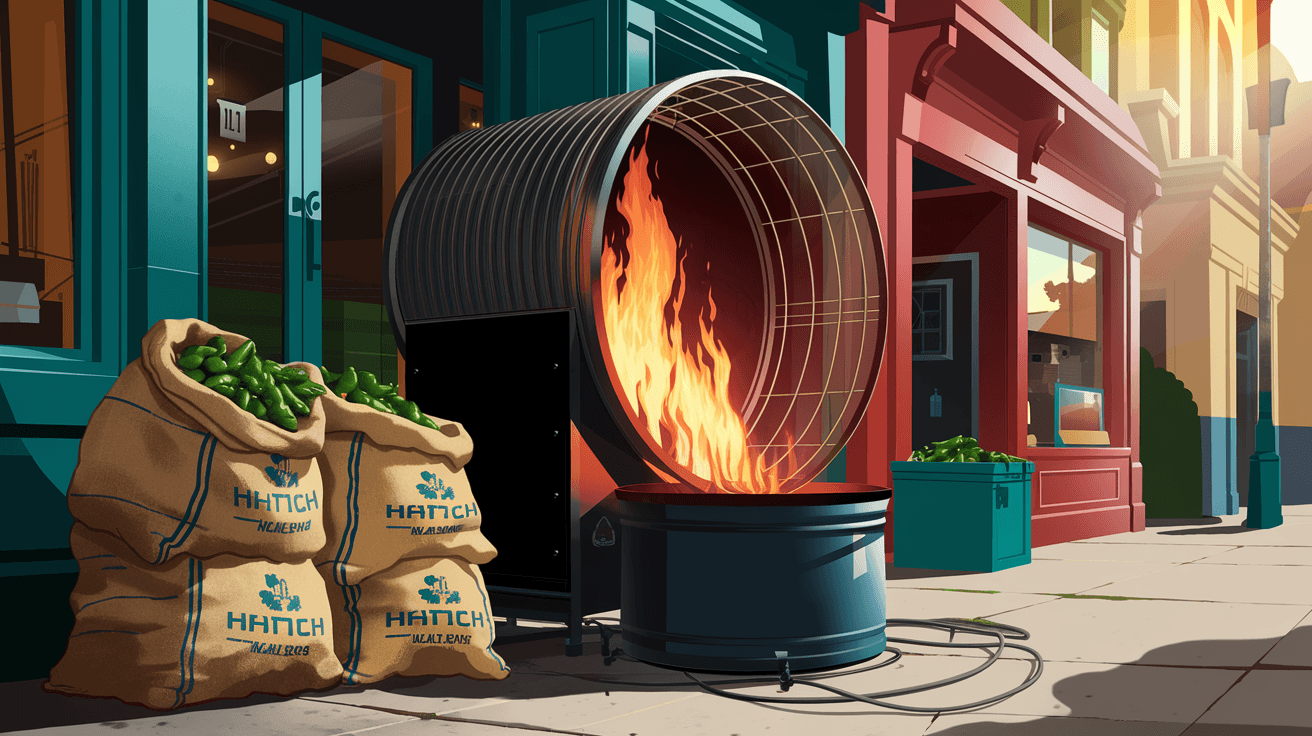
There is a moment every August when you are driving down Central Avenue and the smell hits you before you even see the roaster. That smoky, earthy, unmistakable perfume of green chile tumbling in a wire drum over an open flame is not a marketing gimmick. It is a seasonal clock. It tells every longtime Albuquerque resident that summer is winding down, the Sandias are about to turn pink earlier in the evening, and it is time to stock the freezer.
For buyers relocating to Albuquerque in 2026 or locals finally making their move, New Mexico green chile culture Albuquerque is not a quirky footnote in the relocation guide. It is a genuine lens through which neighborhoods reveal their character. The blocks where people line up for fresh-roasted Hatch chiles, the streets close enough to the farmers market to walk with a bag of produce, the neighborhoods where your neighbor will knock on your door with a jar of homemade salsa verde — those are the blocks where community actually lives.
Hatch Chile Season Albuquerque: What It Reveals About a Neighborhood
The Hatch chile season Albuquerque calendar runs roughly from late July through September, peaking in August when the Rio Grande valley heat and the harvest from down south converge. But where you experience that season tells you a lot about where you are living.
In Nob Hill, the stretch of Central between Girard and Washington becomes a sensory event. The Frontier Restaurant crowd spills onto the sidewalk, the independent grocers along that corridor stack burlap sacks of fresh chiles out front, and the foot traffic on a Saturday morning feels more like a block party than a grocery run. This is not an accident. Nob Hill was built for this kind of street-level life, with its bungalows and mid-century storefronts set close to the sidewalk and alleys wide enough that neighbors actually meet each other taking out the trash.
For buyers considering Nob Hill real estate in 2026, the median price point sitting around $398,000 reflects something real: you are buying into a neighborhood with genuine pedestrian culture, not a subdivision where every errand requires a car. The APS Highland cluster — Highland Elementary, Wilson Middle, Highland High — gives families a school pathway that stays in the same walkable radius as the neighborhood itself.
“"When buyers ask me what makes Nob Hill different, I tell them to come back in August and stand on Central at 9 a.m. on a Saturday. The smell of roasting chiles and the sound of that neighborhood waking up together — that is your answer."
Albuquerque Harvest Festivals and the Neighborhoods That Host Them
Green chile season does not operate in isolation. It arrives alongside the broader harvest calendar that gives Albuquerque its autumn identity: the Albuquerque International Balloon Fiesta in October, the New Mexico Wine Festival at the Balloon Fiesta Park, the South Valley Harvest Festival, and the smaller neighborhood gatherings that do not make the tourism brochures but matter more to the people who actually live here.
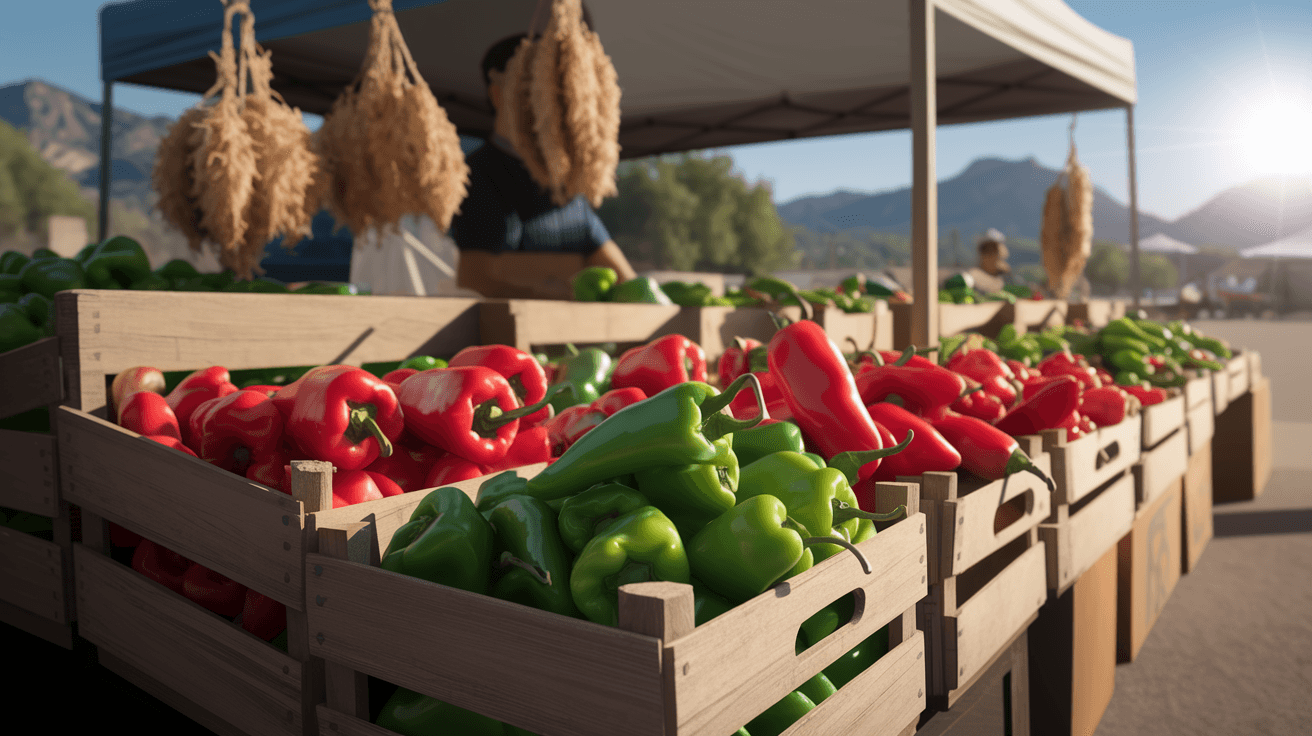
The Old Town Growers Market on a Saturday morning in September is one of those insider experiences. Locals know to get there before 9 a.m. if you want the good dried red chile ristras and the fresh tortillas from the vendors who sell out fast. The market sits close enough to the Los Ranchos border that buyers looking at properties in the North Valley often factor in that Saturday ritual as part of their weekly life.
For buyers focused on Albuquerque neighborhood lifestyle in 2026, these festival anchors matter in practical ways:
- •Neighborhoods within walking or biking distance of recurring food and cultural events hold value differently than those that require driving to participate
- •Areas near the Nob Hill Business District benefit from foot traffic that keeps local businesses viable, which in turn keeps the street-level character intact
- •Communities organized around shared seasonal rituals tend to have stronger neighbor-to-neighbor relationships, which affects everything from block watch programs to how quickly a home gets multiple offers
- •The Barelas neighborhood near the National Hispanic Cultural Center hosts its own food and harvest events that draw residents from across the South Valley, creating cross-neighborhood community ties
The Insider Detail Most Buyers Miss
Here is something that does not show up in any relocation guide: the best place to get your chiles roasted for free in Albuquerque is not at the grocery store. Several of the independent produce stands along 4th Street NW in the North Valley will roast your chiles at no charge if you buy a full sack. They have been doing it this way for decades. The families who know this are the families who have been here long enough to understand that New Mexico green chile culture Albuquerque is not a retail experience. It is a relationship economy, and it plays out block by block.
How Food Culture Shapes Albuquerque Neighborhood Identity
New Mexico food culture does not exist separately from architecture, community planning, or property values. It is woven into the physical fabric of neighborhoods in ways that are easy to overlook until you have lived here through a few seasons.
The Nob Hill and UNM corridor is a clear example. The density of independent restaurants — Casa de Benavidez a short drive west, Duran's Pharmacy on Central for the old-school New Mexican plate lunch, the rotating cast of green-chile-forward spots that open and close along the strip — creates a neighborhood identity that attracts buyers who prioritize culture and walkability over square footage. A 1,400-square-foot bungalow on Carlisle feels different when you can walk to a red or green chile breakfast on a Sunday morning.
Compare that to the Northeast Heights near Tramway, where the food culture is more suburban in its format but the proximity to the Sandia Mountains and the trails off Elena Gallegos creates a different kind of identity anchor. Buyers there are often rooting themselves in the outdoor culture as much as the food culture, though the two overlap constantly at the Cottonwood Farmers Market and the Los Altos Park area.
“"In Albuquerque, the question is never just how many square feet or how many bedrooms. The question is what does this block smell like in August, and who are your neighbors going to be."
What 2026 Buyers Are Actually Prioritizing in Albuquerque
The Albuquerque real estate market in 2026 is being shaped by buyers who have done their research and often have very specific ideas about what kind of daily life they are buying into. Remote workers who relocated here from out of state during the past few years have largely settled in, and many of them are now the ones telling their friends and colleagues what Albuquerque actually feels like to live in.
What comes up repeatedly in those conversations, and in the conversations we have with buyers at The Taylor Team, is that the cultural texture of a neighborhood matters as much as the school ratings or the commute time. People want to know:
- •Is there a place within walking distance where I can buy fresh tortillas on a Saturday morning
- •Will my neighbors know what Hatch versus Anaheim means, and will they have opinions about it
- •Is there a green chile cheeseburger I can get within ten minutes of my house that is actually worth eating (the answer in Nob Hill is yes, several times over)
- •Does the neighborhood have a rhythm to it, a seasonal pulse, or does it feel the same in August as it does in February
For the Nob Hill buyer, those answers align well. The neighborhood's median price of $398,000 places it in a range where buyers are getting genuine urban walkability, access to the Route 66 corridor's cultural density, and a school pathway through APS Highland that keeps kids in the same community from elementary through high school.
The Practical Side: Chile Season and Home Buying Timing
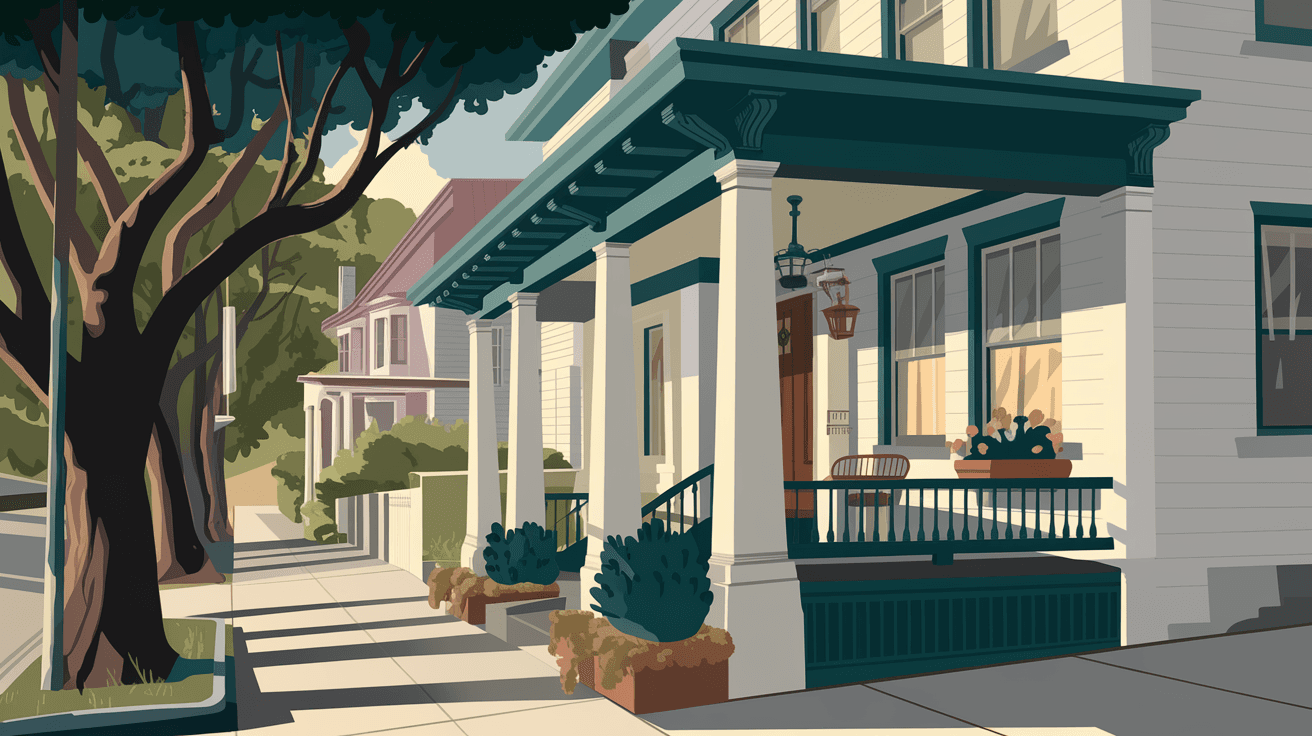
There is a reason experienced Albuquerque buyers and their agents often time home tours to coincide with late summer and early fall. Seeing a neighborhood during Hatch chile season Albuquerque gives you an unfiltered read on its character. You see which streets have front porches that people actually use. You see which blocks have neighbors who wave at each other. You smell what the air is like when the whole city is roasting at once.
If you are planning a home purchase in the Nob Hill area or anywhere along the Central corridor, reaching out to The Taylor Team at Berkshire Hathaway HomeServices before the season hits gives you the chance to tour with that context built in. There is no substitute for standing in a neighborhood when it is fully alive.
New Mexico Green Chile Culture and Long-Term Neighborhood Stability
Real estate markets move in cycles. What does not move as quickly is cultural identity. Neighborhoods that have a deep, rooted food culture — the kind where the recipes have been in families for generations and the chile roasters show up on the same corner every August without anyone having to organize it — tend to have a stability that shows up in property values over time.
Albuquerque's New Mexico green chile culture is not a trend. It predates the city's incorporation, predates the Route 66 era, predates every real estate cycle anyone reading this has lived through. When you buy into a neighborhood where that culture is present and active, you are buying into something with deep roots.
Nob Hill has those roots. So does Barelas, the North Valley, Martineztown, and pockets of the South Valley where the agricultural heritage is still visible in the acequia systems running behind the properties. These are not interchangeable neighborhoods. They each carry their own version of this culture, and finding the one that fits your life is the actual work of buying a home in Albuquerque.
The Taylor Team has been doing that work alongside buyers and sellers across Albuquerque for years. If you are trying to figure out which neighborhood's rhythm matches yours, start with a conversation. The green chile season is a good time to have it.
Want more insider intel?
Subscribe to get market updates and new articles delivered to your inbox.