Moving to Albuquerque from Chicago and Denver in 2026: Cost, Climate, and Community Compared
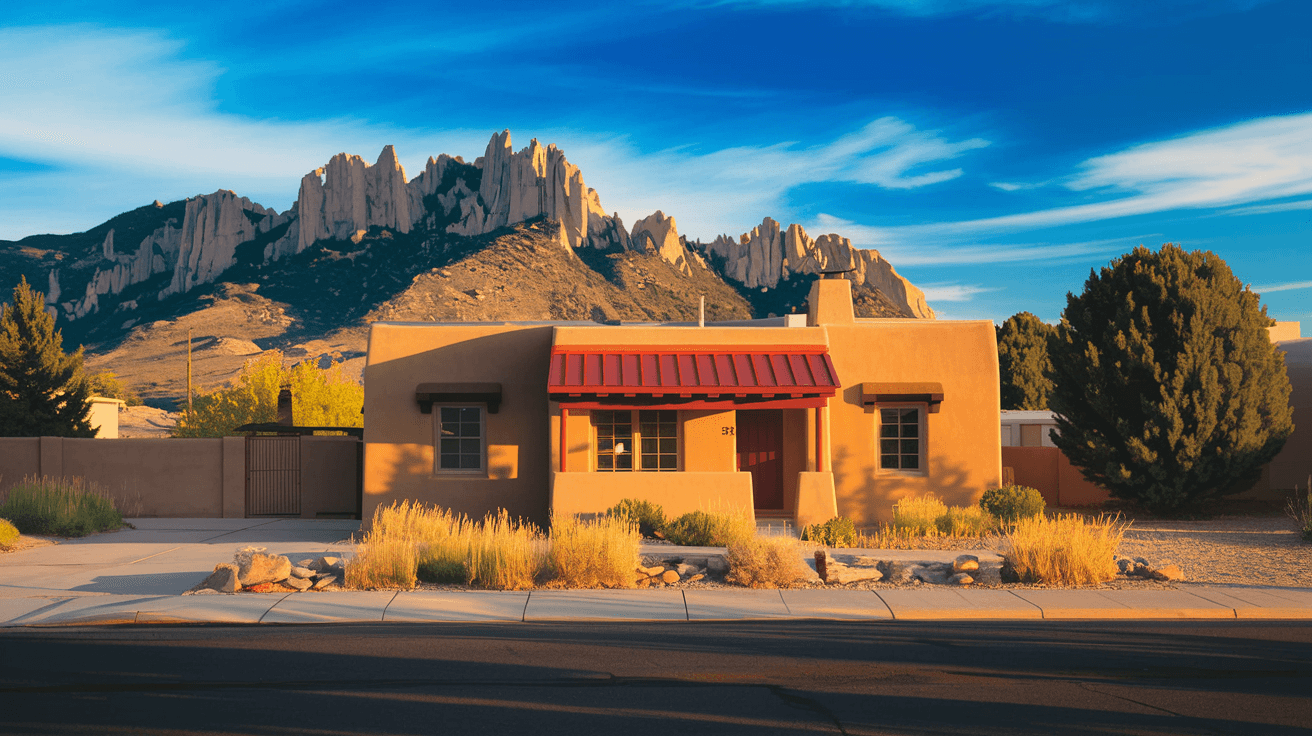
There is a moment that almost every buyer moving to Albuquerque from Chicago describes the same way. They step off the plane at Sunport, walk outside into 72-degree October air with the Sandia Mountains turning pink in the late afternoon light, and they just stop. It is not culture shock exactly. It is more like the city quietly making its case before you have even picked up your rental car keys.
This guide is for people who are seriously considering that move in 2026, whether you are coming from Chicago's northwest suburbs, a condo on the Denver Tech Center corridor, or somewhere in between. The Taylor Team has walked hundreds of out-of-state buyers through this transition, and the questions are almost always the same: What will my dollar actually buy here? Will I miss seasons? And what kind of place is this, really, once the novelty wears off?
The honest answers are more nuanced than any relocation brochure will tell you, so let's get into the real picture.
Moving to Albuquerque from Chicago: The Cost of Living Reality Check
Chicago buyers tend to arrive with one of two assumptions. Either they expect Albuquerque to feel like a discount version of a real city, or they have done enough research to know the cost story is genuinely compelling and they want to understand the details. The second group is usually right.
Albuquerque's metro median home price currently sits at $387,000. For context, that same dollar amount in Chicago's North Shore suburbs or Lincoln Park gets you into a bidding war for a two-bedroom condo with a parking space that costs extra. Here, $387,000 puts you in a four-bedroom home with a two-car garage, a backyard big enough to grow actual green chile, and in many neighborhoods, a view of the Sandias that no HOA can take away from you.
The market is active but not frantic. Average days on market hover around 31 days, which means well-priced homes move, but you are not writing offers sight unseen at 10 percent over asking the way buyers were in 2021. With 3,850 active listings across the metro and 4.3 months of inventory, there is real selection. The list-to-sale ratio of 97.8 percent tells you that sellers are pricing close to market and buyers are generally paying close to asking, not dramatically over it.
Beyond the purchase price, the ongoing costs shift favorably for Chicago transplants. New Mexico has no city income tax on top of the state rate, property taxes are genuinely low by Illinois standards, and you will immediately notice the absence of a Chicago winters heating bill. The average Albuquerque home spends very little on heat from April through November, which is most of the year.
“"The first utility bill I got here, I actually called the gas company to make sure they had the right address. It was less than what I paid in a single February week in Naperville." -- A Northeast Heights homeowner who moved from the Chicago suburbs in 2023.
Relocating to Albuquerque from Denver: What the Front Range Comparison Actually Looks Like
Denver buyers arrive with a different frame of reference. They already understand the Southwest, they are used to altitude, and many of them have driven through Albuquerque on I-25 a dozen times. What surprises them is how much further their money goes once they get off the highway and actually look at neighborhoods.
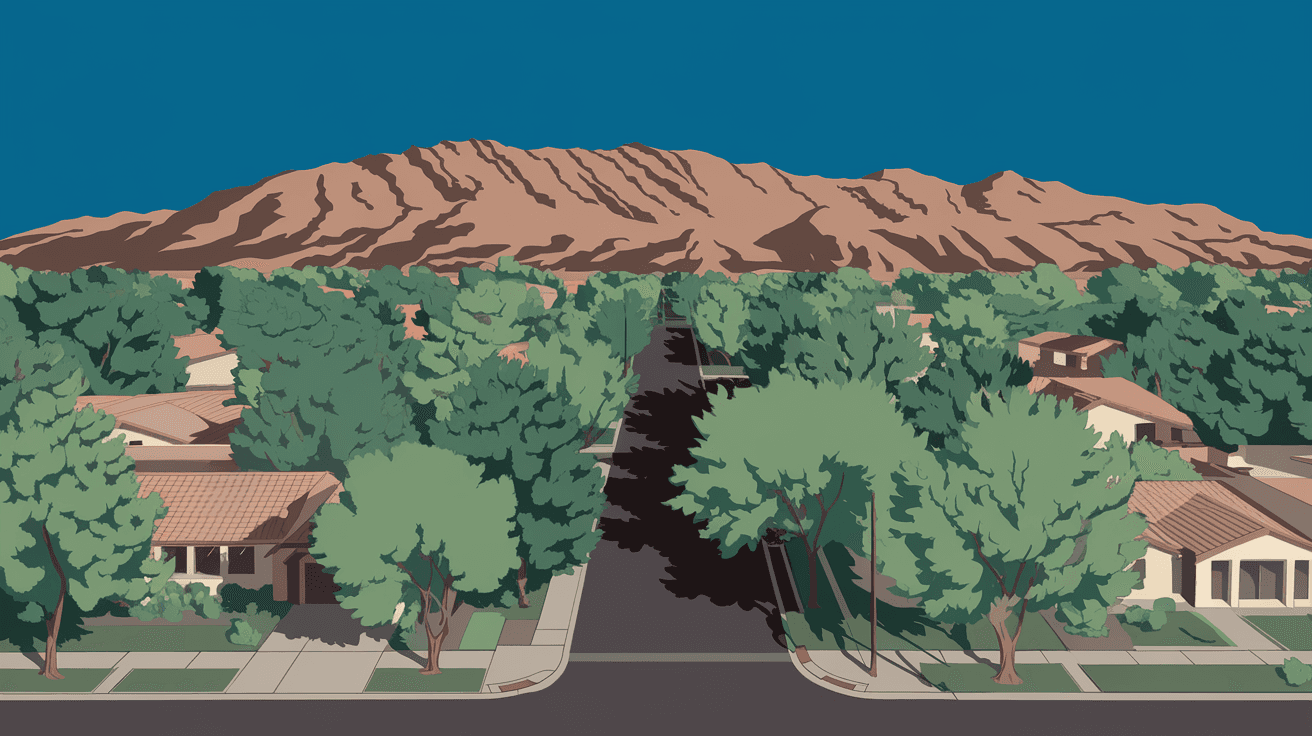
Denver's median home price has consistently run $150,000 to $200,000 higher than Albuquerque's over the past several years. For someone selling a modest bungalow in Wheat Ridge or a townhome in Englewood, arriving in Albuquerque with that equity feels like a genuine reset. Buyers who were priced out of Denver's Highlands or Wash Park neighborhoods find that Albuquerque's Northeast Heights offers a comparable established, tree-canopied feel at a median price of $362,000.
The Northeast Heights is worth understanding on its own terms. This is not a new development built around a man-made pond. These are neighborhoods that grew up in the 1960s through the 1980s along Montgomery Boulevard and Comanche Road, with mature cottonwoods, block associations that actually do things, and schools like La Cueva High School and Eisenhower Middle School that parents who went through Albuquerque Public Schools still talk about with real affection. The area runs roughly from Tramway on the east to Louisiana Boulevard on the west, and the elevation gives you slightly cooler summers than the valley floor.
For Denver buyers used to watching the Rockies from their front range neighborhood, the Sandias offer something similar but more immediate. The Sandia Peak Tramway at the end of Tramway Boulevard NE is the kind of thing that stops being a tourist attraction after your second month here and just becomes the thing you do on a random Tuesday afternoon when the light is right.
- •Property taxes in Bernalillo County run significantly lower than Jefferson or Arapahoe County in Colorado
- •State income tax in New Mexico tops out at 5.9 percent versus Colorado's flat 4.4 percent, but the overall cost of living gap typically more than compensates
- •Car insurance rates tend to be lower than both Illinois and Colorado
- •Homeowners insurance is generally favorable, though buyers should understand that hail and monsoon-related coverage matters here
Albuquerque Climate vs Chicago and Denver: 310 Days of Sun Is Not a Marketing Slogan
Chicago transplants have a specific relationship with weather that Denver and Albuquerque buyers need to understand. After twenty or thirty years of February in the Midwest, the concept of 310 days of sunshine per year does not fully register until you have actually lived through a New Mexico winter.
Albuquerque winters are real. December and January nights drop into the low 20s, and the occasional snowstorm will shut down Paseo del Norte for a morning. But the sun comes back. It always comes back. By noon on a January day that started at 25 degrees, you are eating lunch on a patio in a light jacket. That rhythm, cold night into warm afternoon, is genuinely different from anything Chicago or even Denver delivers.
Summers require honest conversation. June is hot and dry, with temperatures regularly reaching the mid-90s. The saving grace is the monsoon season, which arrives reliably in early July and runs through September. Afternoon thunderstorms roll in from the southeast, drop the temperature 15 degrees in twenty minutes, and turn the desert arroyos into something almost lush. If you have never experienced a New Mexico monsoon, you are not prepared for how dramatic and beautiful it is. The smell alone, wet creosote and desert earth, becomes something you will miss if you ever leave.
For Denver buyers, the altitude adjustment is minimal. Albuquerque sits at 5,312 feet, lower than Denver's 5,280 feet in the valley and considerably lower than many Denver suburbs. The thinner air is barely noticeable for most people coming from the Front Range.
“"People ask me if I miss Chicago seasons. I tell them I have seasons here. I have warm, hot, dramatic, and perfect. I just traded gray for blue."
Albuquerque Neighborhoods That Chicago and Denver Buyers Actually Choose
The Northeast Heights is the most common landing spot for out-of-state buyers, and for understandable reasons. The schools are strong, the streets feel familiar to someone from a Chicago suburb or a Denver neighborhood like Stapleton, and the infrastructure is solid. But buyers who spend a few days actually driving the city often discover other areas worth serious consideration.
Nob Hill along Central Avenue between Girard and Washington is where you go if you want walkability, local restaurants, and a neighborhood that has genuine character without being precious about it. The Satellite Coffee on Central has been the unofficial living room of that neighborhood for years. Home prices in Nob Hill vary widely, from affordable mid-century fixer-uppers to fully renovated Spanish Colonials, and the proximity to the University of New Mexico means there is always something happening.
Rio Rancho deserves mention for Chicago families who are prioritizing space and newer construction. It sits just northwest of the city proper, has grown substantially, and offers some of the most competitive price-per-square-foot numbers in the metro. The commute into Albuquerque proper is manageable if you avoid the Paseo del Norte interchange during peak hours, which every local will tell you.
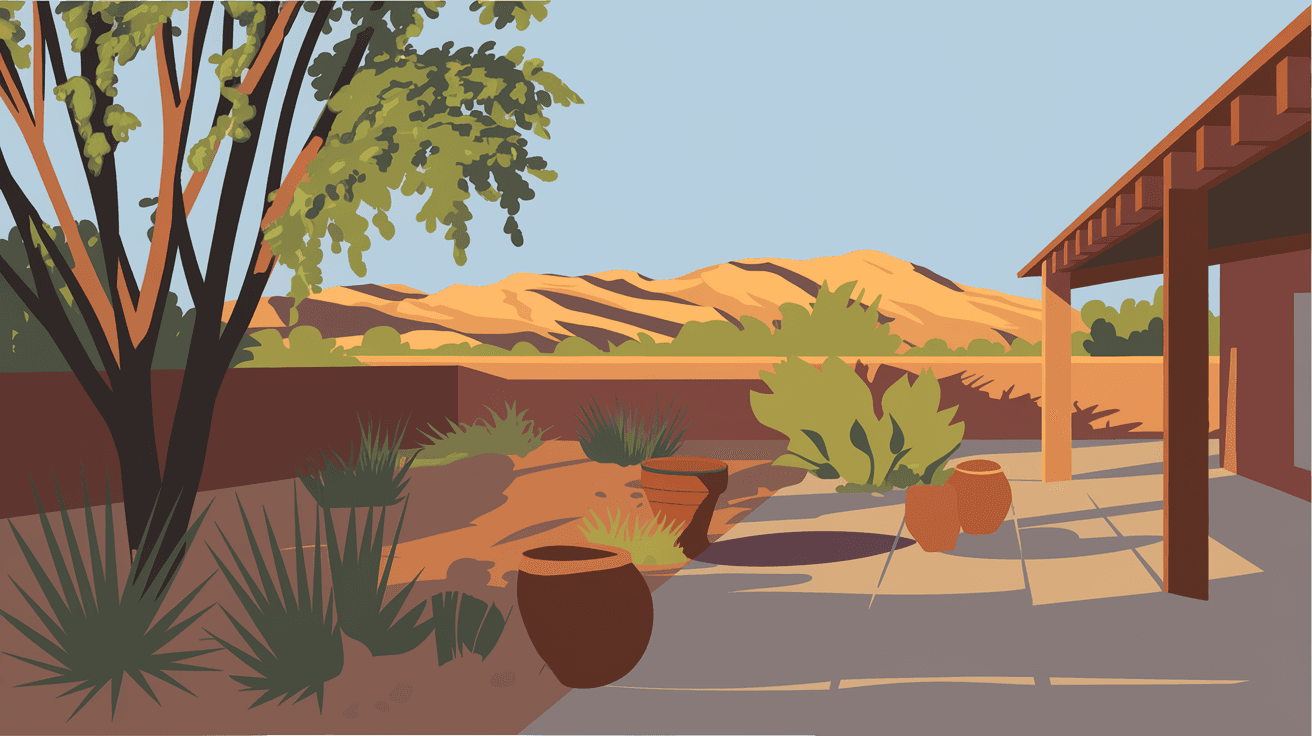
The North Valley along the Rio Grande is the insider answer when buyers ask where longtime Albuquerque residents actually want to live. This is the cottonwood bosque territory, adobe walls along Corrales Road, horses in backyards, and a pace that feels genuinely removed from the city even though you are fifteen minutes from downtown. Inventory is limited and properties move when they are priced right, but buyers who find their home here tend to stay for decades.
Old Town adjacent neighborhoods appeal to buyers who want to be close to the cultural center of the city. The Albuquerque Museum, the National Hispanic Cultural Center down on 4th Street, the Indian Pueblo Cultural Center on 12th, these are not things you drive to once and check off a list. They become part of your regular life in a way that takes Chicago and Denver transplants by pleasant surprise.
The Insider Tip Most Relocation Guides Miss
Here is something the glossy relocation packets do not tell you. The North Diversion Channel Trail that runs north-south through the Northeast Heights connecting Montgomery to Paseo del Norte is one of the best urban cycling and running corridors in the entire Southwest, and almost no one outside of Albuquerque knows it exists. On a Saturday morning in April, it is full of locals doing exactly what you will be doing six months after you move here: wondering why you waited so long.
The Albuquerque Community Culture That Surprises Midwest Buyers Most
This is the part of the Albuquerque relocation guide 2026 conversation that is hardest to quantify but matters most to people once they are actually living here.
Albuquerque is a majority-minority city where roughly half the population identifies as Hispanic or Latino, many with family roots going back to before New Mexico was a state. That is not a demographic footnote. It shapes the food, the architecture, the calendar of public events, the way neighbors interact, and the particular pride the city has in doing things its own way.
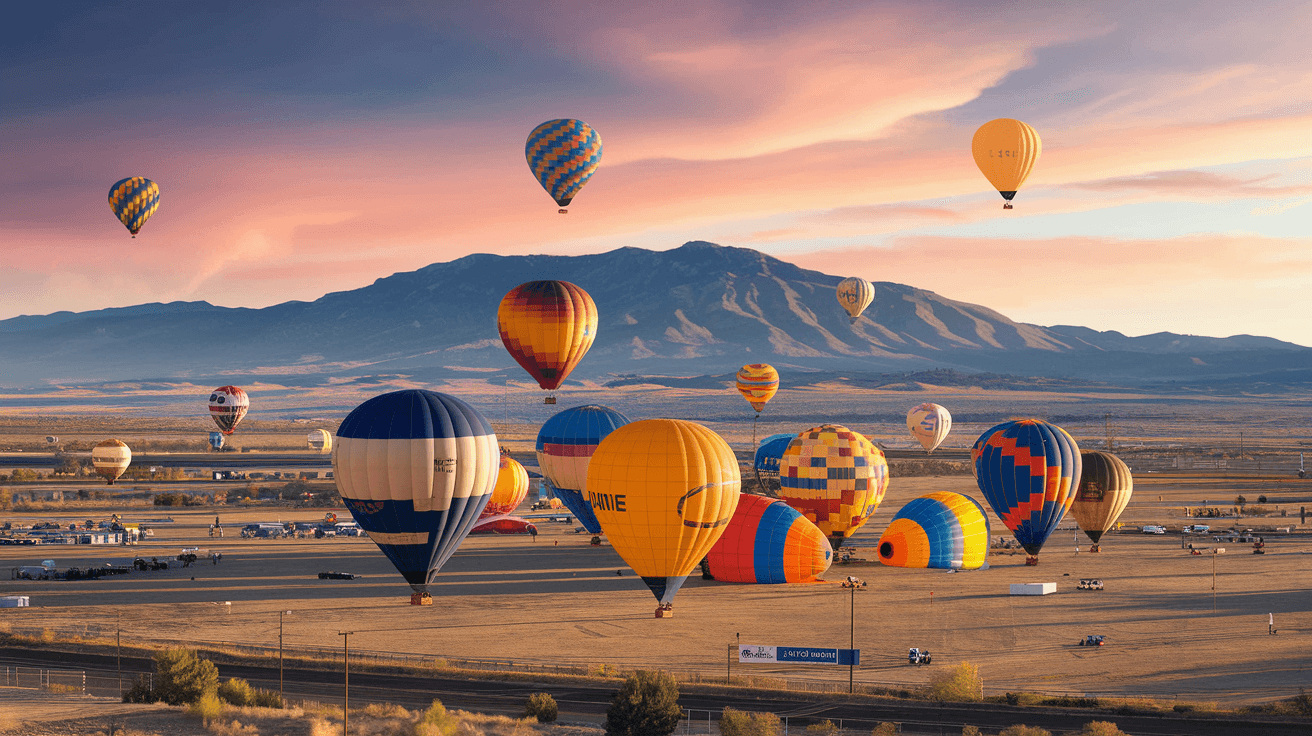
Chicago transplants who arrive expecting a smaller, sunnier version of a Midwest city are usually the ones who fall hardest for Albuquerque, because what they find instead is something genuinely original. The Balloon Fiesta in October is the obvious example, 500 hot air balloons lifting off Balloon Fiesta Park at dawn while the Sandias glow, but the culture runs deeper than an annual event. It is in the Frontier Restaurant on Central that has been serving green chile breakfast burritos since 1971. It is in the fact that Gruet Winery, one of the best sparkling wine producers in the country, is located in a city most wine drinkers have never associated with viticulture.
For families moving with children, the community integration question is real and worth addressing directly. Albuquerque public schools vary significantly by neighborhood, which is why buyers with school-age children often anchor their home search in the Northeast Heights around schools like La Cueva and Eisenhower. Private school options including Albuquerque Academy on Wyoming Boulevard are genuinely competitive with anything Chicago's north suburbs offer.
What the Home Buying Process Looks Like When You Are Moving to Albuquerque from Chicago
Buying remotely or on a compressed timeline is something The Taylor Team handles regularly with out-of-state clients. A few things specific to the Albuquerque market are worth knowing before you start.
New Mexico is an attorney state for real estate closings, which means a title company attorney handles the closing rather than the agents. The process is efficient and well-structured, but it is different from what Illinois buyers are used to with their attorney review periods. Understanding that upfront saves confusion.
Inspections matter here in ways that are specific to the desert climate. Flat roofs are common on traditional adobe and pueblo-style homes, and a qualified inspector who understands New Mexico construction is worth the investment. Evaporative coolers, called swamp coolers locally, are standard in older homes and require seasonal maintenance that your Chicago HVAC company never mentioned. Your agent should be walking you through all of this, not leaving you to figure it out after closing.
The combination of 31-day average market time and a 97.8 percent list-to-sale ratio means that serious buyers need to be ready to move when the right property appears. Pre-approval in hand before you start touring, a clear sense of your non-negotiables, and an agent who knows which neighborhoods have hidden inventory that never hits Zillow cleanly, that combination matters more than any market condition.
If you are planning a move in 2026 and want to start building your picture of the market before you visit, reaching out to The Taylor Team early in the process is genuinely useful. A conversation about what your Chicago or Denver equity translates to here, and which neighborhoods match how you actually want to live, takes thirty minutes and saves months of misdirected searching.
Albuquerque rewards the buyers who take it seriously enough to understand it before they arrive. The ones who do, who learn the difference between the Heights and the Valley, who know that Central Avenue is both the city's history and its present, who understand that the green versus red chile question is not casual conversation, those are the buyers who close on a home here and never really consider leaving.
The city has a way of doing that.
Want more insider intel?
Subscribe to get market updates and new articles delivered to your inbox.