
Moving to Albuquerque from California: What the Cost Difference Actually Looks Like in 2026
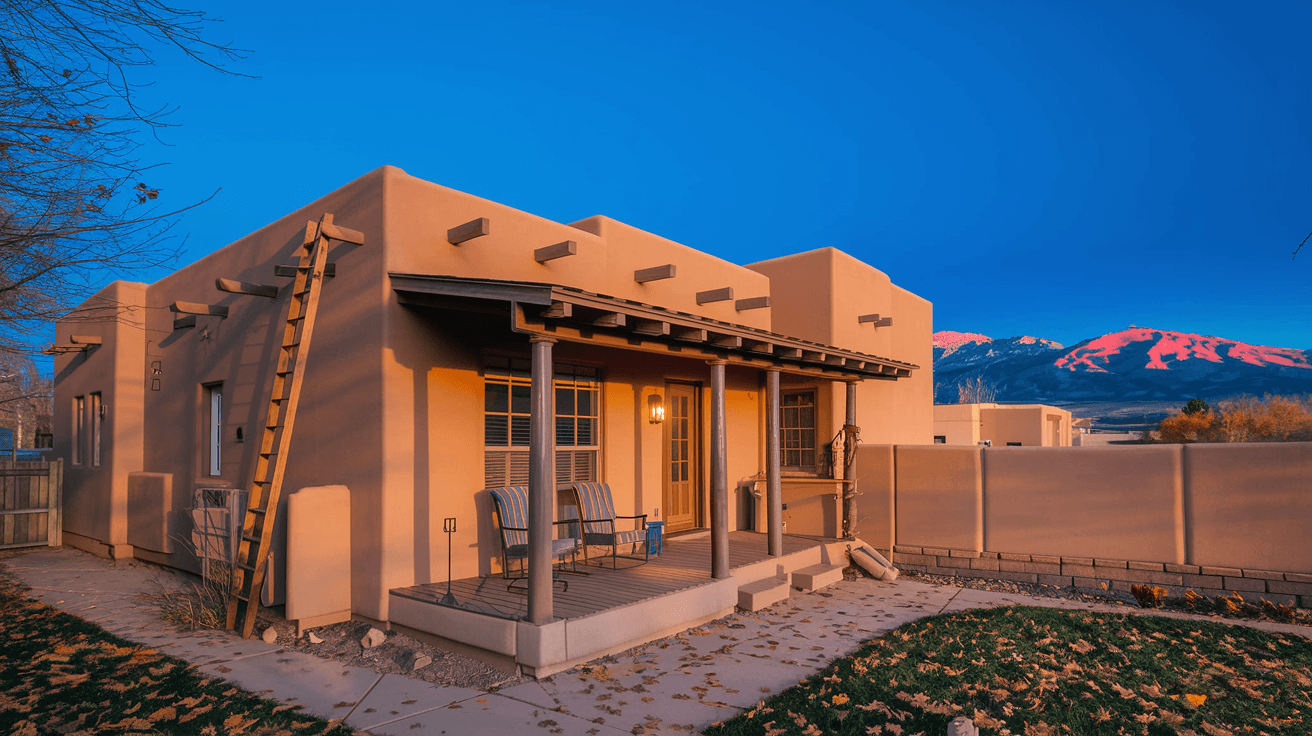
If you have been watching your California rent creep past $3,000 a month for a two-bedroom apartment while your Albuquerque friends post photos of their backyard patios with the Sandia Mountains turning watermelon pink at sunset, you are probably doing the math. A lot of people are. Moving to Albuquerque from California has gone from a quiet trend to a genuine wave, and in 2026, the numbers behind that decision are sharper than ever.
This is not a generic relocation pitch. This is what the cost difference actually looks like when you are standing in a grocery store on Eubank, filling up your tank on Central, or sitting across from a lender at a title company off Paseo del Norte. Real numbers, real neighborhoods, real life.
Housing Costs: Moving to Albuquerque from California Changes Everything
This is where the conversation usually starts, and for good reason. The gap between California housing costs and what you will find here is not a rounding error. It is a lifestyle shift.
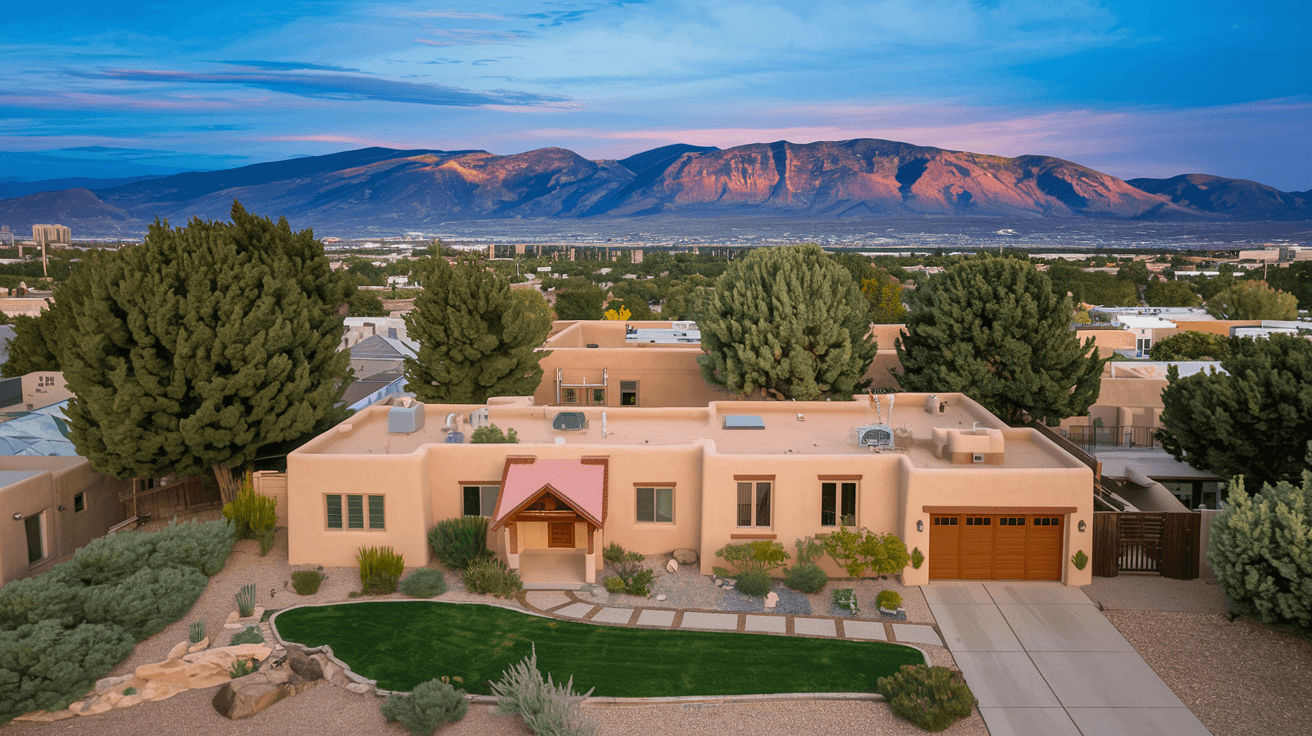
The Albuquerque metro median home price sits at $445,000 in 2026. That number probably sounds reasonable to you already if you have been shopping in the Bay Area, San Diego, or even the Inland Empire. In Los Angeles County, the median hovers well above $800,000. In San Jose, you are looking at numbers that clear $1.4 million. Buying a three-bedroom home with a real yard, a two-car garage, and a view of the Sandias in the Northeast Heights or the East Mountains is genuinely within reach here in a way it simply is not in most of California.
The rental picture is just as striking. A two-bedroom apartment in a decent Albuquerque neighborhood — say, Nob Hill near the shops on Central, or up in the Four Hills area — runs roughly $1,200 to $1,700 per month depending on finishes and amenities. Compare that to San Francisco's $3,400 average for the same footprint, and you start to understand why the moving trucks keep heading east on I-40.
What the Albuquerque Market Looks Like Right Now
The market here is competitive but not the frenzied chaos that defined 2021 and 2022. Average days on market is sitting at 22 days, which tells you homes are moving but buyers have a moment to breathe and think. With active listings around 48 in many price bands and 2.7 months of inventory, this is still a seller-leaning market, but not one where you are waiving inspections and writing love letters just to get a showing.
The list-to-sale ratio of 98.5% is the stat that matters most for buyers coming from California. It means homes are selling very close to asking price. You are not going to lowball your way into a deal, but you are also not going to be crushed by the $150,000-over-ask bidding wars that became normal in parts of the Bay Area. Bring a pre-approval, know your number, and work with an agent who knows which neighborhoods are worth stretching for.
“"The buyers who do best in Albuquerque are the ones who come prepared. They have done their homework on the neighborhoods, they know what they want, and they move when the right house shows up. Hesitation is expensive in a 22-day market."
Albuquerque Cost of Living vs California: The Numbers Beyond Housing
Housing is the headline, but the full picture of Albuquerque cost of living vs California includes a dozen line items that add up fast. Here is where residents actually feel the difference day to day.
Groceries and Everyday Shopping
Groceries in Albuquerque run roughly 10 to 15 percent lower than California averages. You will find a Smith's, Sprouts, Whole Foods, and Trader Joe's here, plus the beloved Talin World Market on Louisiana if you want to stock your pantry with ingredients that do not exist anywhere else in the Southwest. New Mexico green chile, by the way, is not a grocery budget line item you will regret. Buying a bushel in September when the roasters are set up in every Smith's parking lot and freezing it yourself will cost you around $25 to $35 and last most of the winter. That is the insider move.
Transportation and Gas
New Mexico gas prices consistently run 15 to 25 cents per gallon below California prices, largely because the state does not carry California's unique fuel blend regulations and higher fuel taxes. If you are commuting from Rio Rancho into Albuquerque on Paseo del Norte or making the run from the East Mountains on I-40, you will notice the difference at the pump within the first month.
Albuquerque is a driving city. The Sun Metro bus system exists and is improving, but if you are coming from a place where you genuinely did not need a car, adjust your expectations. Most residents drive. The upside is that traffic, even at rush hour on I-25 through the Big I interchange, is a fraction of what you dealt with on the 405 or Highway 101.
Utilities
This one surprises a lot of California transplants. New Mexico electricity rates are lower than California's, but Albuquerque's climate means you are running the heat in winter and the AC through July and August. Budget for real utility bills, especially if you buy an older home without updated insulation. The high desert sun is relentless in summer, and a poorly insulated 1970s ranch in the South Valley will remind you of that every August. Newer builds and homes with updated HVAC systems in areas like Ventana Ranch or Cabezon in Rio Rancho tend to be more efficient.
New Mexico Taxes vs California Taxes: A Real Comparison
This section matters more than most people realize before they make the move.
California's top marginal income tax rate is 13.3%, the highest in the country. New Mexico's top rate is 5.9%. For someone earning $120,000 a year, that difference can put several thousand dollars back in your pocket annually. For higher earners, the gap is even more significant.
Property taxes in New Mexico are also meaningfully lower. The effective property tax rate here hovers around 0.67%, compared to California's already Prop 13-limited rates that still tend to run higher on newer purchases. On a $445,000 home in Albuquerque, you are looking at roughly $2,980 in annual property taxes. That same home assessed at California rates on a recent purchase could easily run $5,000 to $6,000 or more.
The New Mexico gross receipts tax (the state's version of a sales tax) runs around 7.875% in Bernalillo County, which is higher than California's base rate but lower than what most Californians pay once local taxes are stacked on. On groceries, the effective tax is lower. It is not a perfect apples-to-apples comparison, but the overall tax burden for most households moving here from California drops noticeably.
“"When you add up housing, taxes, and what you are spending at the gas pump and grocery store, most California transplants find they are living on 20 to 35 percent less than they were spending back home — for a comparable or better quality of life."
Neighborhoods Worth Knowing Before You Start Your Search
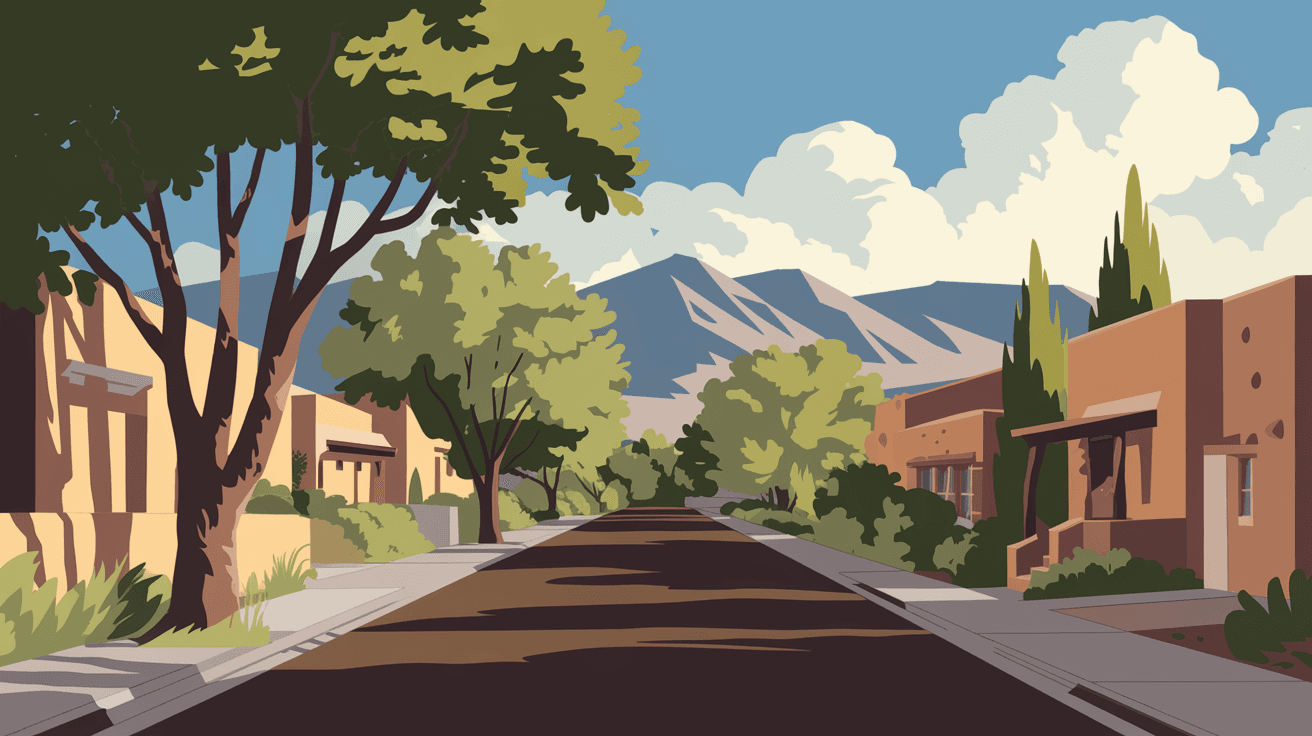
Albuquerque is not one thing. It is a collection of distinct neighborhoods, each with its own character, price point, and daily rhythm. Here is a quick orientation for California to New Mexico relocation 2026 buyers.
- •Nob Hill and UNM Area: Walkable by Albuquerque standards, full of independent restaurants, coffee shops like Satellite Coffee, and the kind of weekend energy you find on Central Avenue between Girard and Washington. Homes here are older, often charming, and priced in the $250,000 to $450,000 range depending on condition and lot size.
- •Northeast Heights: The reliable workhorse neighborhood. Good schools, well-maintained ranches and two-stories, proximity to Tramway and the foothills. Most homes here range from $350,000 to $600,000. This is where a lot of families land.
- •North Valley: Along the Rio Grande bosque, with cottonwood trees, horse properties, and an agricultural character that feels completely unlike anything in Southern California. If you want land and quiet, this is worth a look.
- •Rio Rancho: Technically a separate city but functionally part of the metro. Newer construction, lower price points, and a growing restaurant scene along Southern Boulevard. Ideal for buyers who want a newer home without the Northeast Heights premium.
- •East Mountains (Tijeras, Edgewood, Cedar Crest): If you are remote-work flexible and want acreage, cooler summers, and a genuine small-town feel within 30 minutes of Albuquerque, the East Mountains deliver. Prices drop significantly here, and the tradeoff is a mountain commute on I-40.
- •Old Town and Downtown Adjacent: Historic character, walkable to the Albuquerque Museum and the plaza, and a neighborhood in genuine transition. Buyers who get in now are betting on continued downtown investment.
What California Buyers Often Overlook
The altitude is real. Albuquerque sits at 5,312 feet. Your first few weeks, especially if you are active, will feel different. Your body adjusts, but your houseplants, your bread recipes, and your baking times will all need recalibration too.
The green chile culture is not optional. It is a way of life, and it is one of the genuine joys of living here. Every fall, the smell of roasting chiles fills parking lots across the city, and choosing your heat level (mild, medium, hot, or the kind that makes your eyes water) becomes a point of personal identity. Embrace it early.
If you are relocating with school-age children, spend real time researching the Albuquerque Public Schools district alongside the charter school options. APS is a large district with significant variation between schools. The charter school system here is robust and includes strong options like Albuquerque Academy (private), Desert Academy, and Robert F. Kennedy Charter School. Do not assume school quality based on neighborhood alone.
What the Full Financial Picture Looks Like for a California Transplant
Pulling it all together for a household earning $150,000 a year and moving from Los Angeles to Albuquerque, the rough math looks like this:
- •Housing payment savings: $1,200 to $2,000 per month (buying or renting comparable space)
- •State income tax savings: $5,000 to $9,000 per year
- •Property tax savings: $2,000 to $3,000 per year on a comparable home
- •Grocery and gas savings: $150 to $300 per month
- •Total estimated annual savings: $25,000 to $45,000 depending on specifics
That is not a rounding error. For many families, that is a fully funded emergency fund, a college savings account, or the difference between financial stress and financial breathing room.
The Taylor Team at Berkshire Hathaway HomeServices works with California transplants regularly, and the question we get most often is not whether the numbers make sense. It is which neighborhood fits the life they are trying to build. If you are starting to get serious about making this move, reaching out to us early in the process means you will have a realistic picture of the market before you start setting Zillow alerts at midnight.
The Honest Part: What You Are Trading Away
Albuquerque is a genuinely wonderful place to live, but honesty matters more than a sales pitch.
You will miss the ocean. There is no substitute for it, and the Rio Grande, lovely as the bosque is at dusk, is not a replacement. If coastal access is core to your identity, that absence will be real.
Albuquerque has crime statistics that require context. The city has had challenges with property crime and auto theft in particular. Neighborhoods vary enormously. The Northeast Heights and Rio Rancho feel safe and suburban. Parts of Central Avenue and some downtown corridors require the same street awareness you would apply in any urban environment. This is not a reason to avoid the city, but it is a reason to choose your neighborhood thoughtfully and talk to people who actually live there.
The restaurant scene is excellent within its lane — New Mexican food, green chile cheeseburgers at places like the Owl Bar in San Antonio (worth the drive) or the Duran's on Central, and a growing number of serious independent restaurants. The breadth and variety of a major coastal city is not here yet, though it is improving year over year.
What you get in return is space, sky, affordability, a genuine sense of community, and the kind of quality of life that felt increasingly theoretical in California. The Sandia Mountains glow pink every single evening at sunset, and after years here, it still does not get old.
The math on moving to Albuquerque from California makes sense in 2026. The life here, for the right person, makes even more sense than the math.
Want more insider intel?
Subscribe to get market updates and new articles delivered to your inbox.