Living in South Valley Albuquerque in 2026: Agricultural Roots, Rio Grande Frontage, and What Buyers Are Finding in One of the Metro's Most Culturally Rich and Undervalued Corridors
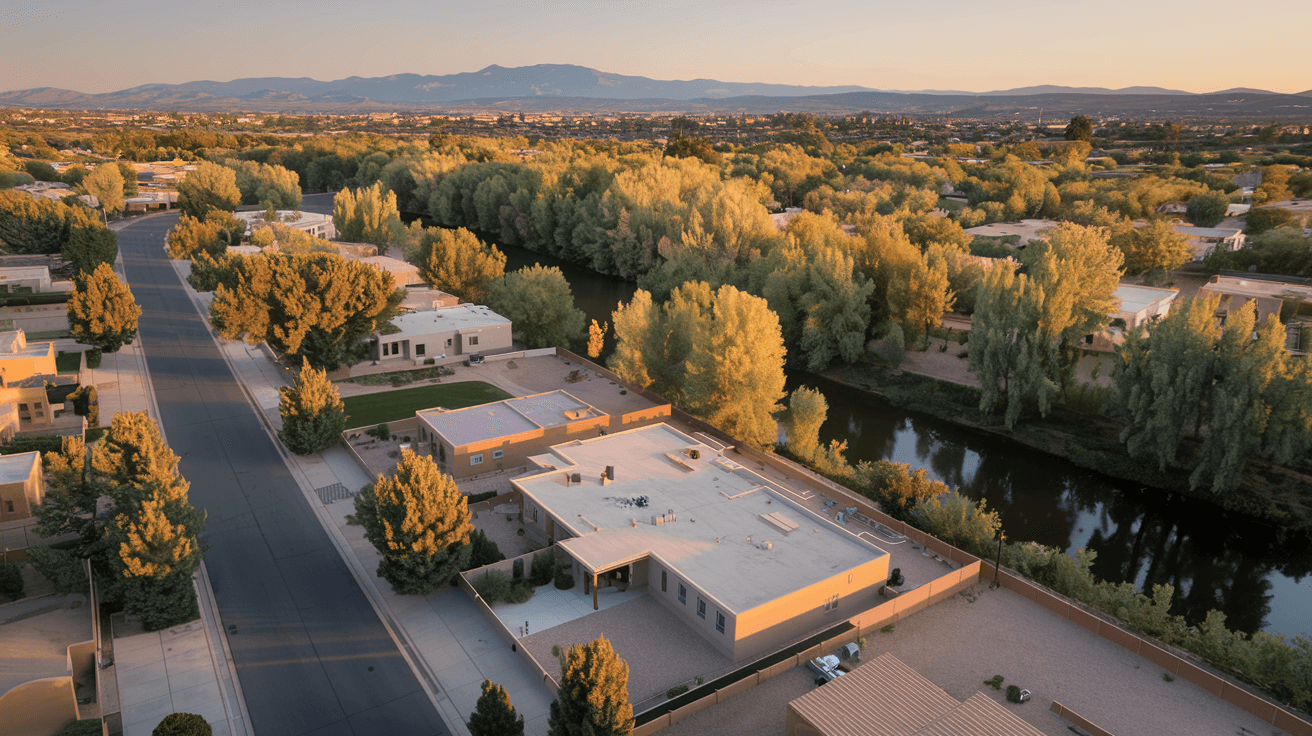
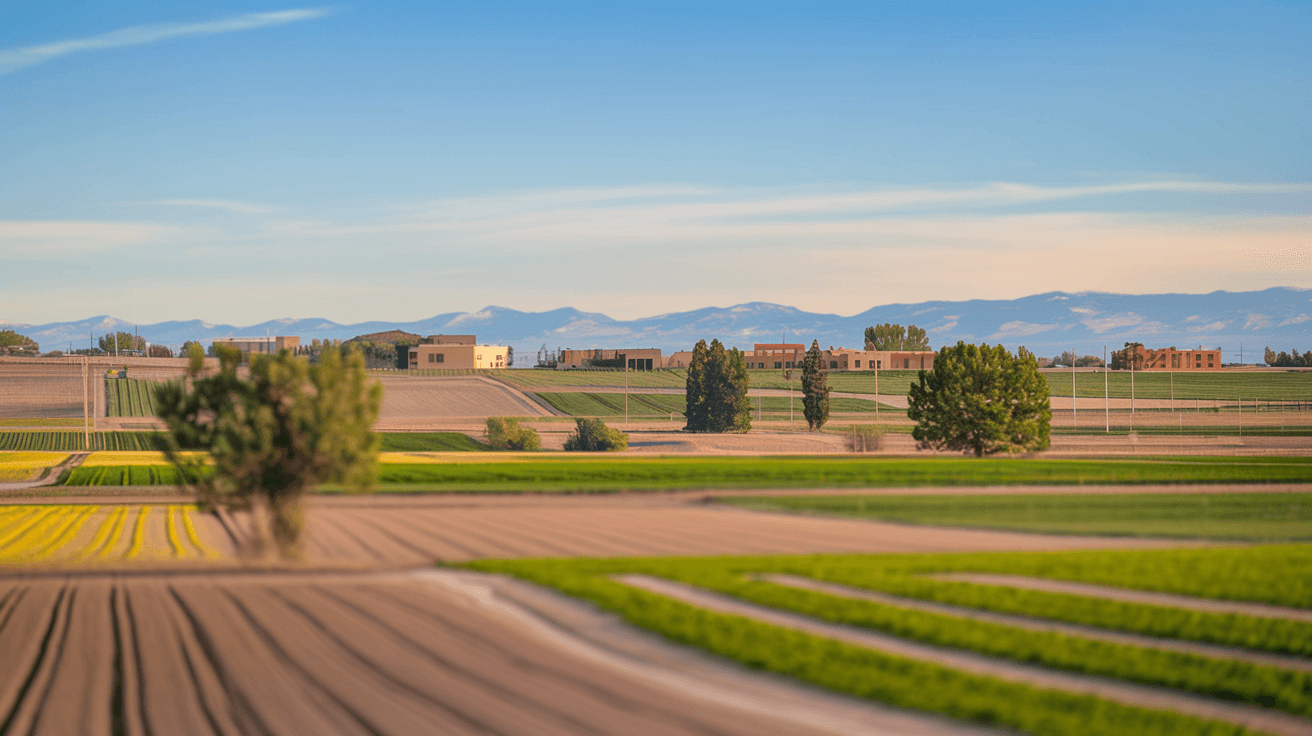
If you've spent any time driving down Isleta Boulevard or cutting through the back roads near Los Padillas, you already know that the South Valley operates on its own frequency. This isn't a neighborhood that's trying to be something it's not. It's acequia-fed land, roosters crowing before sunrise, horses pastured behind adobe walls, and a cultural identity so deeply rooted that no amount of metro sprawl has managed to shake it loose. For buyers seriously considering living in South Valley Albuquerque in 2026, what they find is a corridor that the rest of the city has chronically underestimated — and that underestimation shows up directly in the price per square foot.
The metro median sits at $385,000 right now. The South Valley median is hovering around $268,000. That gap is not a warning sign. It's an opportunity that a growing number of buyers are finally paying attention to.
South Valley Albuquerque Real Estate Market in 2026
The broader Albuquerque market is moving at a measured but deliberate pace. With roughly 3,850 active listings across the metro, about 4.9 months of inventory, and homes averaging 34 days on market, this isn't a frenzied seller's market — but it's not a buyer's free-for-all either. The list-to-sale ratio sitting at 97.8% tells you that well-priced homes are still getting close to asking. Sellers aren't giving things away, but buyers have breathing room to be thoughtful.
In the South Valley specifically, South Valley Albuquerque real estate tends to attract a different kind of buyer than you'd find shopping in the Northeast Heights or Rio Rancho. These are people who want land. They want space between themselves and their neighbors. They want a property where they can run chickens, grow a serious vegetable garden, or park a horse trailer without a HOA sending them a letter. And in 2026, they're finding that the South Valley delivers all of that at a price point that still makes genuine financial sense.
What $268,000 Actually Gets You Here
At the South Valley median, buyers are typically looking at:
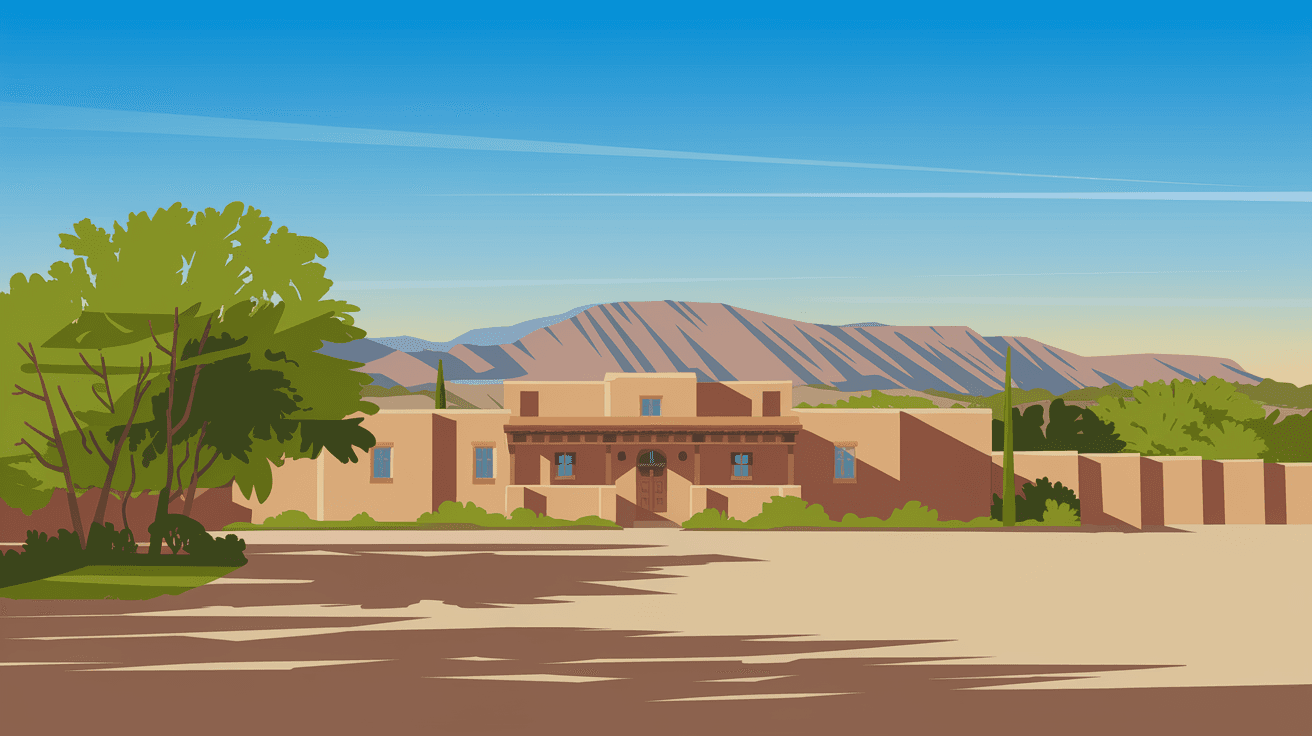
- •Older adobe or frame homes on larger lots, often a quarter acre or more
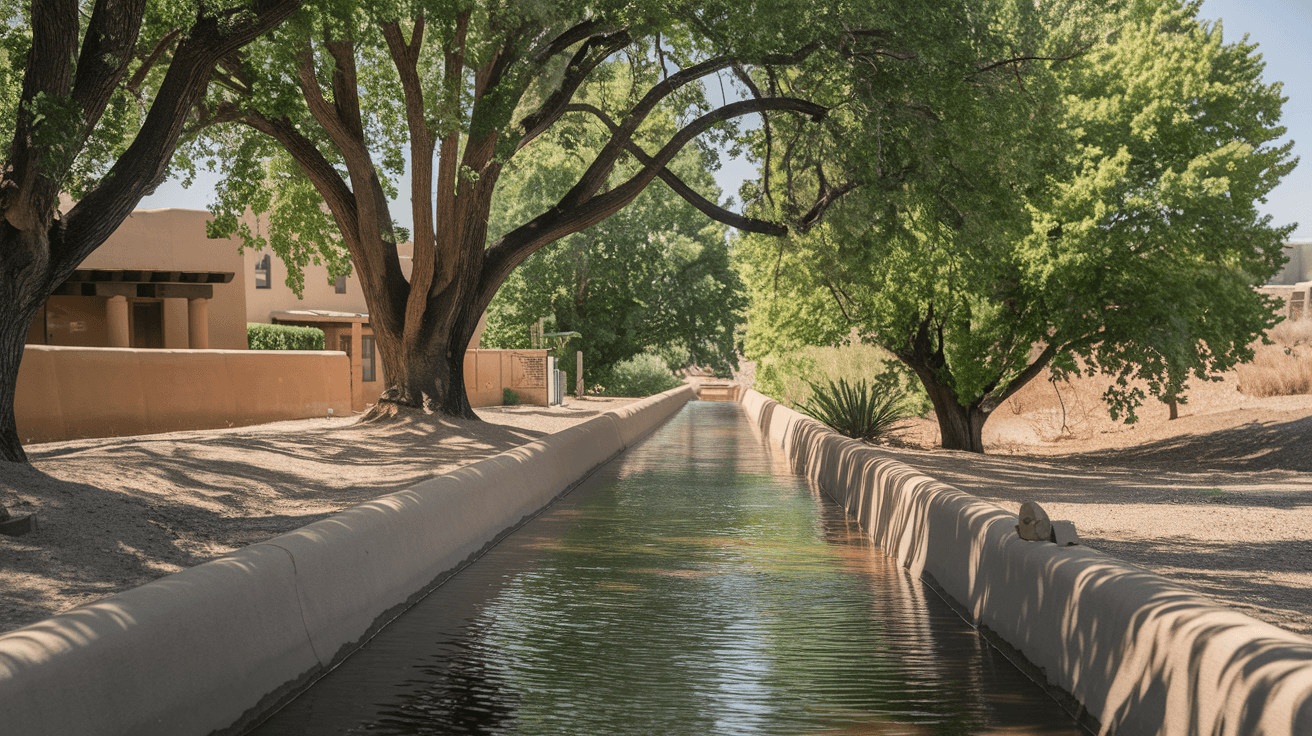
- •Properties with mature cottonwood trees, established landscaping, and sometimes working acequias on the lot line
- •Single-family homes with detached garages, workshops, or outbuildings that would cost twice as much to replicate in the Heights
- •Fixer-uppers with good bones and real potential for equity building
- •Occasional horse properties with corral setups already in place
The trade-off is that many of these homes require some work. Roof updates, updated electrical, modernized kitchens — these are common needs. But buyers who go in with clear eyes and a solid inspection team are walking away with properties that have genuine long-term upside.
The Rio Grande Bosque and Why It Changes Everything About Daily Life Here
Here's something that doesn't get talked about enough in real estate conversations about the South Valley: the Rio Grande bosque is essentially a public park running the entire length of the neighborhood's western edge, and it is spectacular. The Paseo del Bosque Trail cuts through cottonwood forest along the river, and in the South Valley stretch, it's noticeably less crowded than the sections up near Tingley Beach or the Nature Center.
On a weekday morning, you can ride a bike or walk a dog through that corridor and feel completely removed from the city. Sandhill cranes migrate through in the fall. Great blue herons are basically permanent residents. The light through the cottonwoods in October is the kind of thing that makes people pull over and take photographs.
“Living next to the bosque isn't an amenity you can replicate. It's a living, breathing natural corridor that runs right through your backyard neighborhood, and South Valley residents have some of the most direct access to it in the entire metro.
For buyers who are weighing South Valley against other affordable corridors like the South Broadway area or even parts of the West Side, the proximity to the river ecosystem is a meaningful differentiator. It's not just scenery — it's a daily quality of life factor that residents who live here consistently rank among the top reasons they stay.
Isleta Boulevard and the Cultural Spine of the Neighborhood
Isleta Boulevard is the main artery, and it tells you everything you need to know about the South Valley's character. You'll pass the San Jose Church, which has been an anchor of this community for generations. You'll drive by produce stands, small family-owned Mexican restaurants, tortillerias, and botanicas. This is a neighborhood where New Mexican cultural identity isn't a marketing concept — it's just Tuesday.
The South Valley has a long history tied to the Pueblo communities to the south and the Spanish land grant families who farmed this stretch of the Rio Grande valley for centuries. That history is still visible in the landscape: the acequias that still carry irrigation water, the old family names on mailboxes, the community gardens that predate any urban farming trend by about 200 years.
Schools, Infrastructure, and the Honest Picture for Families
Families considering living in South Valley Albuquerque in 2026 deserve a straight answer about schools. The South Valley falls within Albuquerque Public Schools, with several elementary options in the area and Rio Grande High School serving older students. Rio Grande has a performing arts magnet program that draws students from across the city and has a genuinely strong reputation within those specific tracks.
Like most urban public school systems, APS has variability. Some families supplement with charter options or private schools. Others are deeply invested in and happy with their neighborhood schools. It's worth doing your homework on specific campuses based on your kids' ages and needs, and talking to current South Valley parents rather than relying on aggregate ratings alone.
On the infrastructure side, the South Valley sits unincorporated under Bernalillo County jurisdiction for much of its footprint, which means some roads are maintained differently than city streets, and certain city services work differently than they would inside Albuquerque city limits. This is worth understanding before you buy, particularly if you're coming from a neighborhood with full city services. It's not a dealbreaker for most buyers — it's just a different operating context that longtime residents navigate without much thought.
The Insider Detail Most Buyers Miss
Here's something that doesn't show up in any listing description: a significant portion of South Valley properties sit within FEMA flood zone designations near the river and along some of the acequia corridors. This affects flood insurance requirements and, in some cases, what you can build or how you can modify the property. It's not a universal issue across the entire South Valley, but it's common enough that every buyer should pull the flood map for any specific parcel they're seriously considering before falling in love with the property.
This is the kind of thing a local agent who knows the area catches immediately. A buyer coming in from out of state relying on a national platform's automated data might not think to check until they're already in contract. Don't let that be you.
What's Changing in the South Valley and What's Staying the Same
The South Valley is not immune to change. The pressure of Albuquerque's overall market has pushed buyers further south and into corridors they might have overlooked five years ago. You're starting to see some renovation activity, a few newer builds on infill lots, and a slow uptick in buyer interest from people priced out of the Heights or Nob Hill.
But the pace of change here is slow by design and by culture. The South Valley community has historically been protective of its agricultural character, and there are active voices in local planning conversations pushing back against the kind of density and commercial development that has transformed other parts of the city. Whether that changes dramatically in the next decade is an open question, but for now, the South Valley still feels like the South Valley.
What that means for buyers is a relatively stable character in the near term, with the possibility of gradual appreciation as the broader metro continues to grow and affordability pressure pushes demand outward. South Valley NM homes for sale in 2026 are not going to sit forever — the value proposition is too clear for that — but this isn't a market where you need to panic-bid on day one either.
Who Actually Thrives Here
After working with buyers across the metro, the profile of someone who genuinely thrives in the South Valley tends to look like this:
- •People who prioritize land and privacy over walkability to coffee shops
- •Buyers who want room for animals, gardens, or workshop space
- •Families with deep ties to the area's cultural and community roots
- •Investors looking for rental properties with strong long-term fundamentals at accessible price points
- •Buyers coming from rural areas who want proximity to the city without giving up a rural feel
- •Artists and craftspeople who need space and don't want to pay Heights prices for a garage studio
If your vision of a great neighborhood involves a walkable main street with boutique retail and a new coffee roaster on every corner, the South Valley is probably not your spot right now. If your vision involves a half-acre lot, a view of the Sandia Mountains from your back porch, and a genuine sense of place that feels completely different from the rest of the metro, it might be exactly right.
“The South Valley is one of the few places left in the Albuquerque metro where you can still buy land, grow food, keep animals, and live within twenty minutes of downtown — all for under $300,000. That combination is rarer than most buyers realize until they start looking.
Working With an Agent Who Actually Knows the South Valley
The South Valley requires local knowledge in ways that more standardized neighborhoods don't. Flood zone questions, acequia rights, county versus city jurisdiction, well and septic considerations on older properties, agricultural zoning overlays — these are real factors that affect what you can do with a property, what it will cost to insure, and what your financing options look like.
If you're seriously exploring South Valley Albuquerque real estate, the Taylor Team at Berkshire Hathaway HomeServices has worked extensively in this corridor and can walk you through the specific details that matter for any property you're considering. Reach out and let's have a real conversation about what you're looking for — not a sales pitch, just a practical discussion about whether the South Valley is the right fit and what the buying process actually looks like out here.
The South Valley has been hiding in plain sight for a long time. The buyers who figure that out first, do their due diligence, and move with clarity are the ones who look back five years later feeling like they made one of the better decisions of their financial lives. The corridor isn't perfect, but it's real — and in a market full of overly polished neighborhoods selling lifestyle over substance, real counts for a lot.
Want more insider intel?
Subscribe to get market updates and new articles delivered to your inbox.