
Living in Sandia Heights Albuquerque in 2026: Mountain Access, Custom Lot Sizes, and What Buyers Are Paying for Elevation, Views, and Quiet
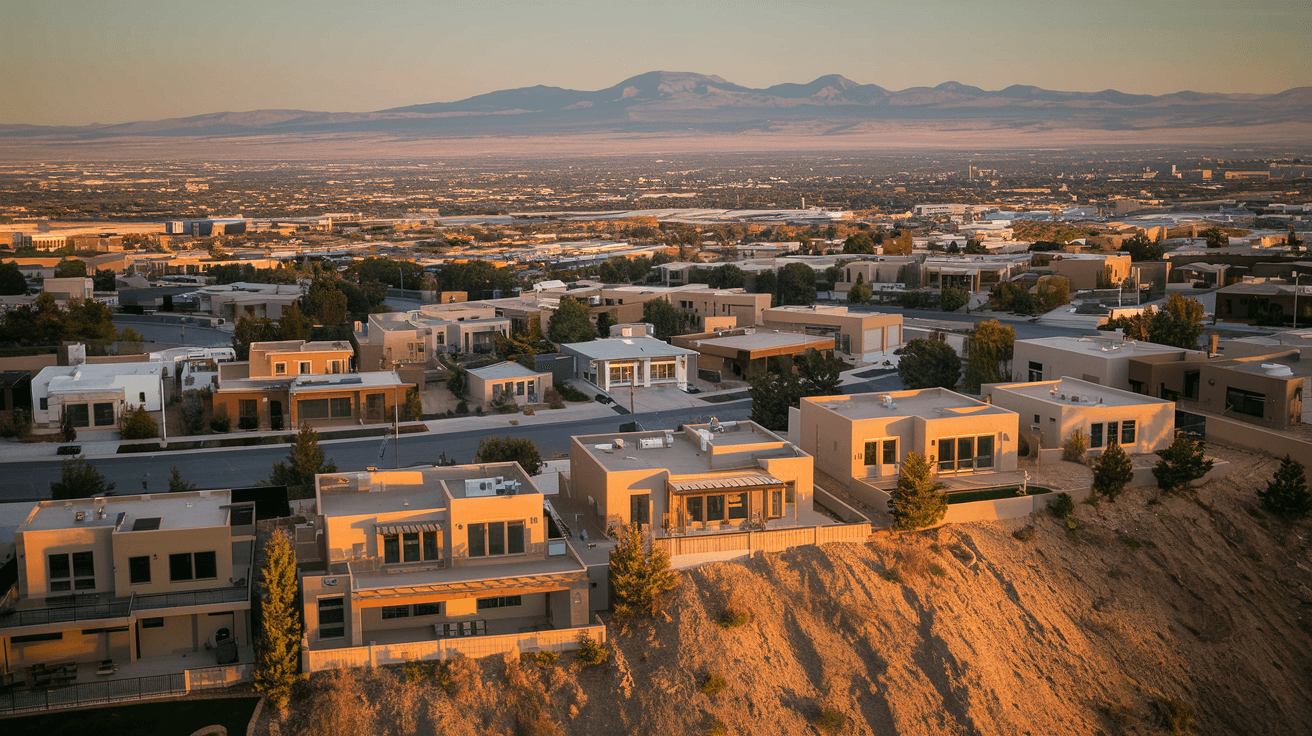
There's a moment that happens every time you drive up Tramway Boulevard past the Juan Tabo intersection and the road starts to climb. The city noise drops away, the lots get bigger, the houses get more deliberate, and you realize you're not in the same Albuquerque anymore. That's Sandia Heights. It sits tucked against the western face of the Sandia Mountains like it was placed there on purpose, because in a lot of ways, it was.
Sandia Heights Albuquerque homes occupy one of the most geographically specific niches in the entire metro. You're above 6,000 feet in places. You're within a short drive of the Sandia Peak Tramway base terminal. You're close enough to hear the wind move through the granite when the afternoon thermals kick up. And you're still 20 minutes from Old Town or Uptown if you need to run errands. That combination is genuinely rare, and the 2026 market reflects it.
Sandia Heights Albuquerque Homes: What the Market Looks Like Right Now
The Albuquerque metro median sits around $385,000 in 2026, and the broader market is moving at a steady pace with homes averaging about 34 days on market and a list-to-sale ratio of 97.1 percent. That's a healthy, balanced market with roughly 3.9 months of inventory citywide.
Sandia Heights operates in a different category entirely. The median home price in Sandia Heights is closer to $595,000, and that number tells only part of the story. The range here is wide. You'll find well-maintained three-bedroom homes from the 1980s and early 1990s on the lower end of the neighborhood selling in the high $400,000s. Move toward the upper elevations, toward the larger custom lots that back directly up to open space, and you're looking at $800,000 to well over a million dollars without blinking.
What drives that spread is a combination of factors that don't show up cleanly in a price-per-square-foot calculation:
- •Lot size and topography — Some parcels here run half an acre to a full acre or more, which is almost unheard of at this proximity to the urban core
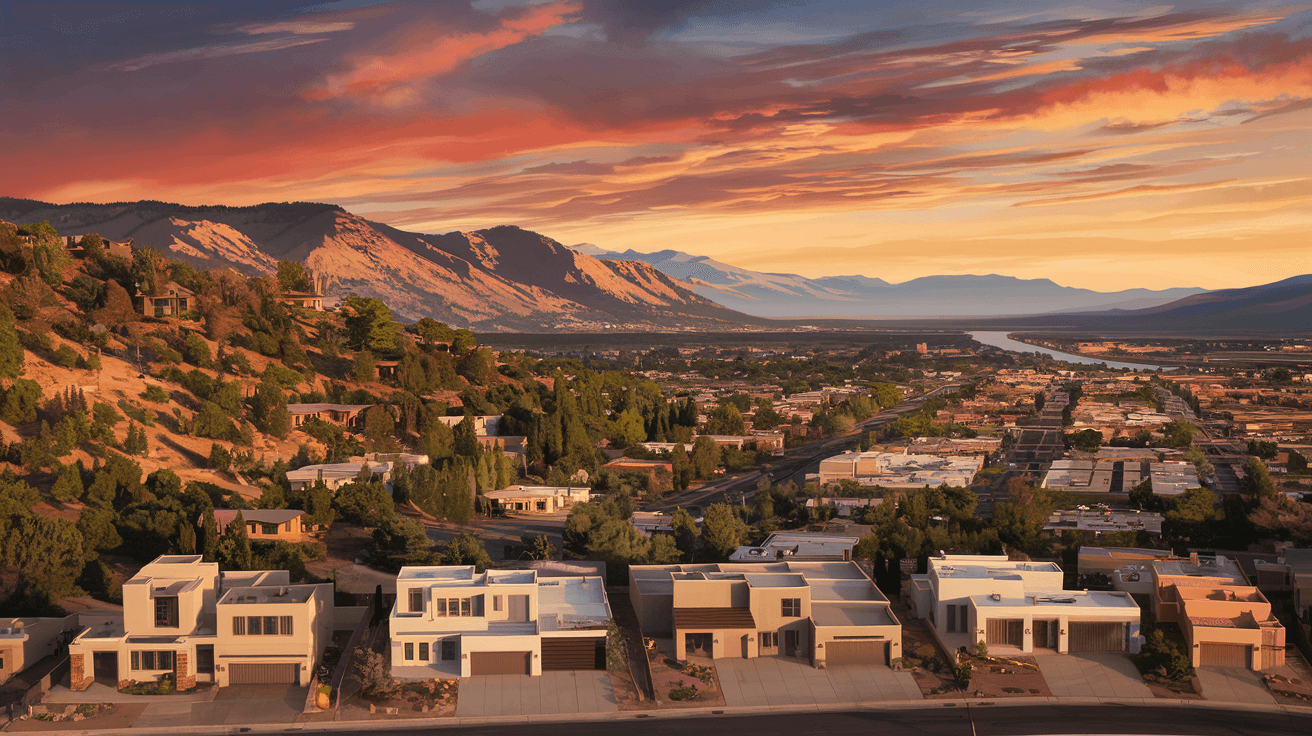
- •Elevation and view corridor — Homes higher on the mountain face have unobstructed sightlines across the entire Rio Grande Valley, past the West Mesa volcanoes, and on clear days toward Mount Taylor 75 miles out
- •Open space adjacency — Properties that back to Albuquerque Open Space or Elena Gallegos Picnic Area land carry a premium because that buffer is permanent
- •Custom construction quality — A significant portion of Sandia Heights homes were built as custom or semi-custom projects, meaning no two floor plans are identical and finish quality varies considerably
- •Microclimate — It runs cooler up here. Summer evenings at this elevation are genuinely comfortable in a way that the flatlands of the Northeast Heights simply are not
How Long Are Sandia Heights Homes Sitting on the Market
Because the price points are higher and the buyer pool is more selective, Sandia Heights real estate 2026 does see slightly longer days on market than the metro average. Well-priced homes with good condition and honest photography are still moving in the 30 to 45 day range. Overpriced listings, particularly those that lean on view and elevation without accounting for deferred maintenance or dated interiors, can sit for 90 days or more.
The buyers coming into this neighborhood in 2026 are doing their homework. They've often toured homes in Tanoan, High Desert, and Four Hills before landing here. They know what $600,000 buys across the city, and they're choosing Sandia Heights specifically because of what it offers that those other neighborhoods don't.
“Sandia Heights buyers aren't buying square footage. They're buying the view at 6 a.m. when the Sandias turn pink and the city is still quiet below them. That's the product, and serious sellers price accordingly.
Living in Sandia Heights: What Daily Life Actually Looks Like
Living in Sandia Heights has a rhythm that feels different from most Albuquerque neighborhoods, and that difference starts with the physical reality of where you are. Your commute down the mountain into the city is real. Tramway Boulevard is your main artery, and it gets congested during school drop-off hours and the evening return. Most residents budget 25 to 35 minutes to reach downtown or the University area during peak times.
But what you get in exchange shapes how you spend the other 23 hours of your day.
The Elena Gallegos Picnic Area and Albert G. Simms Park sit at the neighborhood's doorstep. This is one of Albuquerque's most underappreciated outdoor assets. Hundreds of acres of open land with maintained trails that connect directly into the Cibola National Forest trail system. You can walk out your back gate and be on a legitimate mountain hiking trail in under ten minutes. The Embudo Trail, the Three Gun Spring Trail, and the connector routes up toward the Tramway are all accessible without driving anywhere.
The Sandia Peak Tramway base station on Tramway Road NE is close enough that residents treat it casually in a way that tourists never do. Saturday morning tram ride for breakfast at the top? That's just a thing that happens. The tram ascends to 10,378 feet at Sandia Crest, and from up there you can see five states on a clear day.
Schools, Services, and Getting Around
Sandia Heights feeds into Albuquerque Public Schools, specifically into the Sandia High School zone. Sandia High has a long history in the Northeast Heights and a strong athletics program. Families with younger kids will find that the elementary and middle school options in this part of the city are solid, and the proximity to private school options along Academy Boulevard gives additional flexibility.
For daily errands, most residents head down to the commercial corridors along Montgomery Boulevard or Menaul Boulevard. Trader Joe's on Academy, Whole Foods near Uptown, and the various spots along Juan Tabo are all within a 15-minute drive. There's no walkable commercial district within Sandia Heights itself, which is part of what keeps the neighborhood quiet. You don't get foot traffic. You don't get cut-through commuters. You get residents.
One thing locals know that doesn't show up in any listing description: the wildlife is real and constant up here. Mule deer walk through yards in the early morning hours regularly. Roadrunners appear more often than you'd expect. Black bears have been spotted in the neighborhood, particularly in late summer when they're moving down from higher elevations. This isn't a cautionary tale. It's a feature for most people who choose to live here. But it does mean you think differently about landscaping, pet management, and leaving food outside.
Sandia Heights Real Estate 2026: Lot Sizes, Custom Builds, and What Buyers Are Comparing
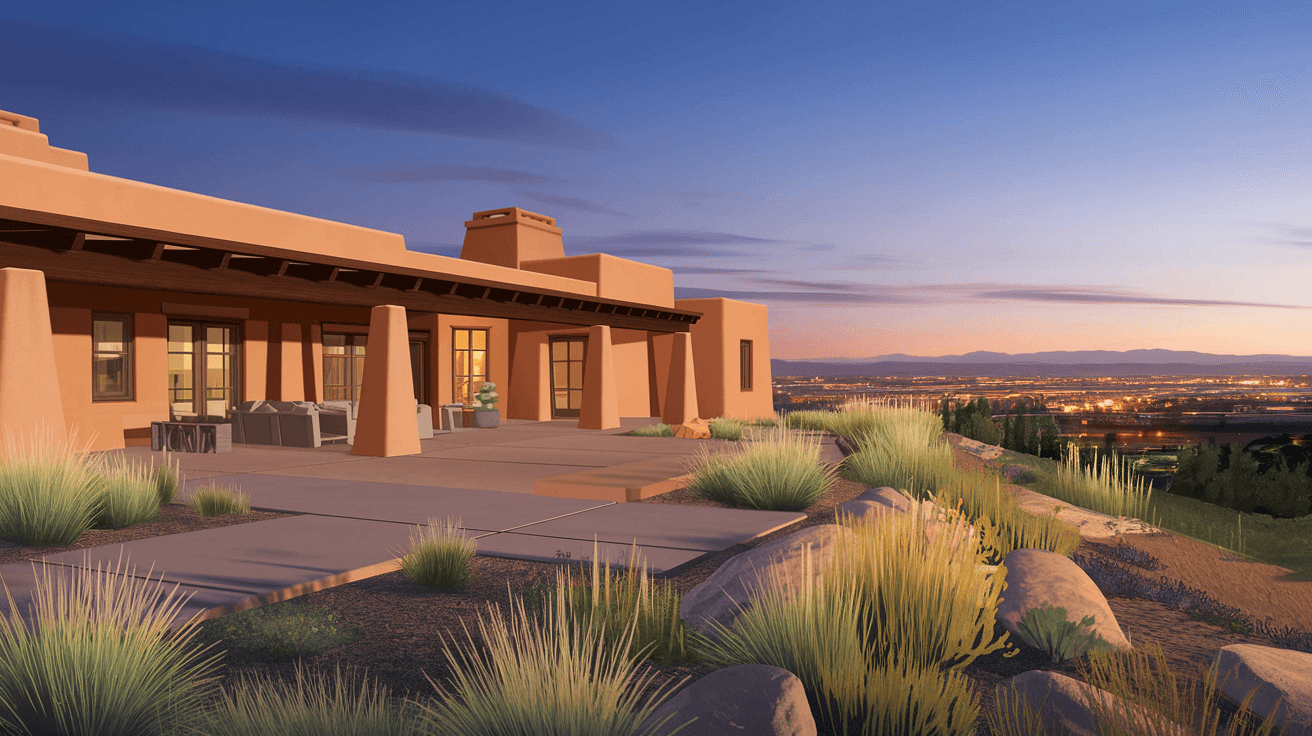
One of the defining characteristics of Sandia Heights real estate 2026 is the sheer variety of what exists within the neighborhood's boundaries. This isn't a master-planned community with a homeowners association that enforced architectural consistency from day one. Sandia Heights developed over several decades, and the result is a neighborhood where a 1970s ranch-style home sits a few lots away from a contemporary steel-and-glass custom build from 2019.
Lot sizes here are a primary driver of value in ways that buyers coming from other parts of the city sometimes underestimate. A flat lot in the Northeast Heights at 7,500 square feet feels very different from a 22,000 square foot sloped lot in Sandia Heights, and not just because of the size. The topography creates natural privacy, natural view corridors, and natural separation between neighbors that you simply cannot replicate on flat ground regardless of how tall your fence is.
Custom home construction in this neighborhood comes with some specific considerations:
- •Steep lot builds require engineered foundations and retaining systems that add cost
- •Septic systems are common in parts of the neighborhood rather than city sewer connections, which affects both maintenance and future development options
- •The desert-mountain interface means fire mitigation landscaping is not optional, it's a genuine safety practice
- •Many homes have passive solar design elements built in, since the orientation toward the west-facing valley is a natural asset for heating
- •HOA situations vary block by block, so due diligence on any specific property matters
What Buyers Are Actually Comparing When They Look at Sandia Heights
The competition for a buyer seriously considering Sandia Heights in 2026 tends to come from a few specific places. High Desert on the north end of the Foothills is the most direct comparison, with similar elevation and open space adjacency but a more formal HOA structure and a slightly different architectural character that skews more consistently Southwestern. High Desert buyers often find the community amenities and trail system appealing. Sandia Heights buyers tend to want fewer rules and more raw topography.
Four Hills on the south end of the city offers some similar elevation and view characteristics at lower price points, but the commute patterns are different and the neighborhood feels more removed from the primary commercial corridors.
Some buyers come to Sandia Heights after looking at new construction in the far Northeast Heights or Rio Rancho and deciding they'd rather have a larger lot and a more established tree canopy than a brand new build on a flat quarter-acre. That trade-off is real and worth thinking through carefully depending on your priorities.
“The buyers who are happiest in Sandia Heights are the ones who wanted the mountain, not just a view of it. There's a difference, and you feel it the first winter morning you walk outside to 28 degrees and absolute stillness.
The Insider Reality of Buying in Sandia Heights Albuquerque
If you're seriously looking at Sandia Heights Albuquerque homes, there are a few things worth knowing that don't come up in the standard listing conversation.
First, the wind. The Sandias create their own wind patterns, and certain parts of Sandia Heights sit in corridors where afternoon winds are consistent and strong, particularly in spring. This isn't a dealbreaker for most people, but if you're planning on a large covered patio or specific landscaping, you want to understand the wind exposure of the specific lot you're considering before you commit.
Second, the water pressure situation varies by elevation. Homes higher on the mountain can experience pressure fluctuations, and some properties have pressure-boosting systems installed. It's worth asking about and worth having a thorough inspection that addresses it.
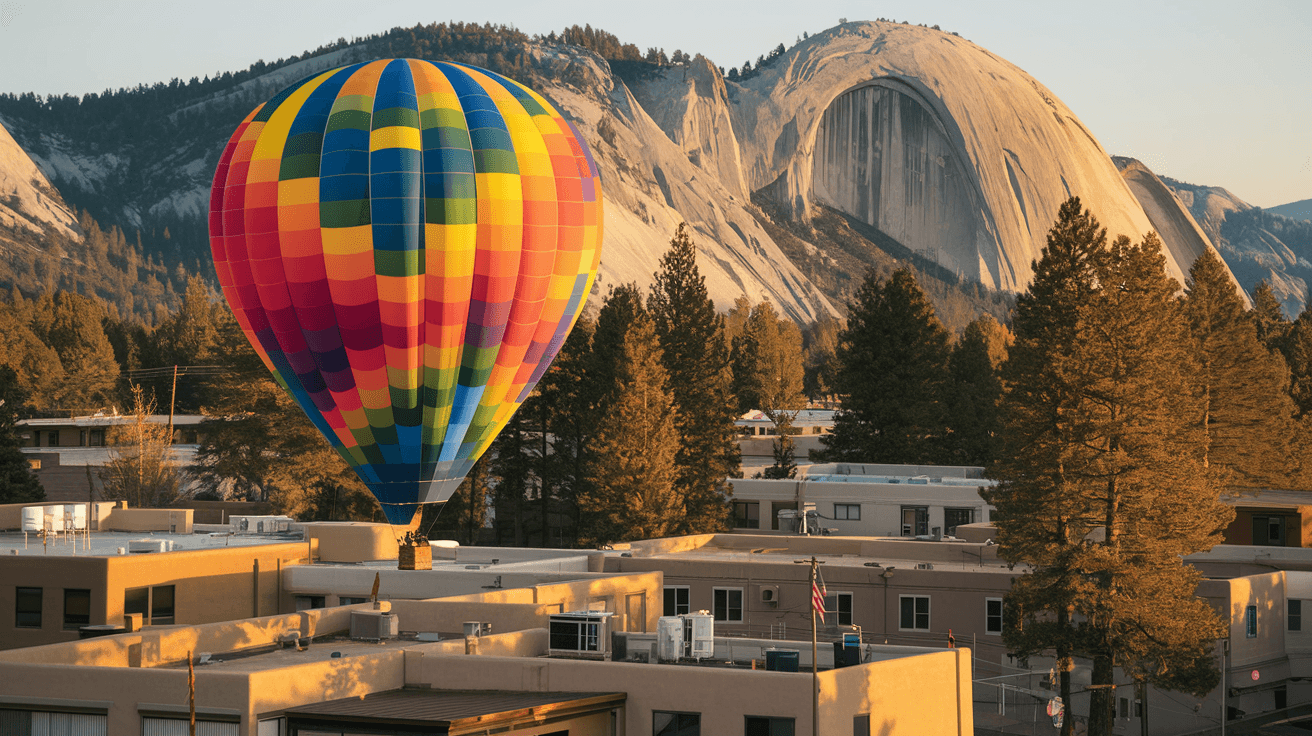
Third, the local insider tip that most people don't know until they've lived here a while: the stretch of Tramway Boulevard between Paseo del Norte and the Tramway base is one of the best hot air balloon viewing corridors in the entire city during Balloon Fiesta in October. Hundreds of balloons launch from Balloon Fiesta Park and drift east on the morning winds, and they pass directly over Sandia Heights at close range. Residents who know this set their alarms for 6:30 a.m. during Fiesta week and watch from their driveways with coffee in hand. It's one of those Albuquerque moments that feels private even though it's happening at city scale.
Fourth, pricing conversations in this neighborhood require local knowledge. The range from $470,000 to $1.2 million within the same zip code means that broad market comparisons don't tell you much. Understanding which streets have the best view corridors, which lots have permanent open space backing, and which sections of the neighborhood have more HOA involvement requires someone who has actually walked these properties and knows the topographic differences between a home on Tramway Court NE and one tucked behind the ridgeline on Sandia Heights Drive.
If you're thinking about making a move into this neighborhood and want to talk through what the current inventory actually looks like, what's priced right, and what might be overreaching, reach out to The Taylor Team. We work Sandia Heights and the broader Foothills corridor consistently, and we'd rather spend 30 minutes on the phone helping you think through it than have you spend six months touring the wrong properties.
What to Expect From the Sandia Heights Market Through the Rest of 2026
The broader Albuquerque market has shown resilience and stability through 2026. With 3.9 months of inventory across the metro and a list-to-sale ratio holding at 97.1 percent, this is not a distressed market and it's not a frenzy market. It's a functioning market where correctly priced homes sell and overpriced homes sit.
Sandia Heights specifically is likely to continue performing above the metro median for a few reasons that aren't going away. Land at this elevation and proximity to open space is genuinely finite. The Sandia Mountains are federal land. The Elena Gallegos Open Space is permanent. The view corridors that exist today will exist in 20 years. That kind of certainty about what surrounds a neighborhood is rare in any growing metro, and it tends to support values over time.
New custom construction continues to happen on the remaining lots, and those projects are pushing the ceiling of the neighborhood's price range upward. Well-maintained existing homes that are priced to reflect their actual condition and position within the neighborhood are finding buyers in reasonable timeframes.
If you've been watching Sandia Heights from the outside and wondering whether 2026 is the right time, the honest answer is that the neighborhood doesn't go on sale. The factors that make it compelling are structural, not cyclical. What changes is inventory levels and interest rate environments, both of which affect your monthly payment more than they affect the underlying value of what you're buying.
Sandia Heights is one of those places where people move once and stay for decades. The mountain has a way of doing that to people. Once you've had your morning coffee on a patio at 6,200 feet with the city spread out below you and the granite wall of the Sandias behind you, the flatlands feel like a compromise. That's not marketing language. That's just what residents will tell you if you ask them why they haven't left.
Want more insider intel?
Subscribe to get market updates and new articles delivered to your inbox.