Living in Downtown Albuquerque 2026: Loft Conversions, Rail Runner Access, and What Urban Buyers Are Actually Getting for Their Money
There's a version of downtown Albuquerque that a lot of people are still carrying around in their heads from ten years ago. Vacant storefronts on Central, a handful of restaurants doing their best, and the general feeling that the neighborhood hadn't quite figured out what it wanted to be. That version is outdated. Living in downtown Albuquerque in 2026 looks genuinely different, and if you're a buyer who's been watching this market from the sidelines, the gap between perception and reality is where the opportunity lives.
This isn't a pitch. It's a street-level look at what the Downtown and EDo (East Downtown) corridor actually offers right now, who's buying here, what they're paying, and what the trade-offs are. Because there are trade-offs, and anyone who tells you otherwise isn't doing you any favors.
Living in Downtown Albuquerque 2026: How the Neighborhood Has Changed
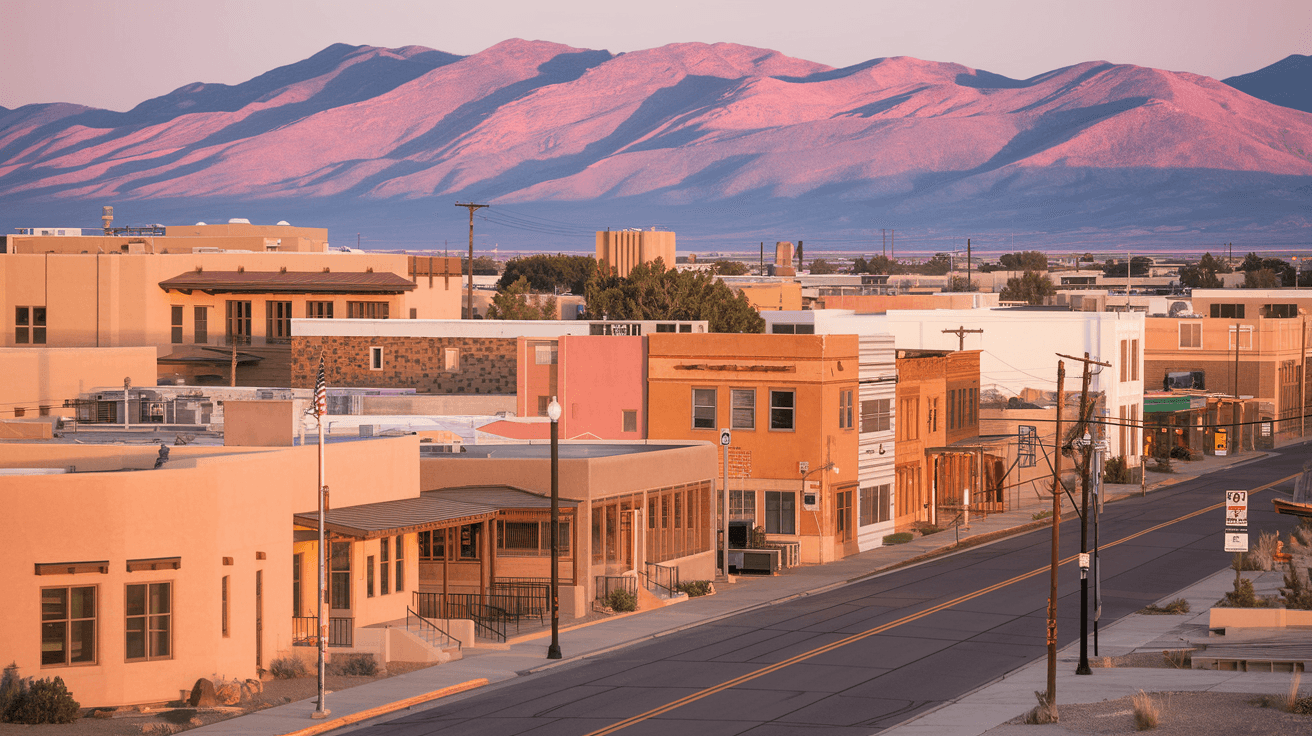
The stretch of Central Avenue between 4th Street and the Alvarado Transportation Center has gone through a quiet but real transformation. The Hotel Parq Central anchored the EDo end years ago, but what's filled in around it matters more for day-to-day living. Zinc Wine Bar is still a fixture. Frenchish draws people from the Heights on a Tuesday night. The Albuquerque Rail Yards Market runs seasonally and pulls a crowd that actually lives within walking distance now, not just people driving in from the Northeast Heights.
The EDo Arts District has developed enough gallery density along Gold Avenue and the surrounding blocks that First Friday Artwalk actually feels like a neighborhood event rather than a scattered scavenger hunt. That cultural infrastructure matters for buyers who want to live somewhere with texture.
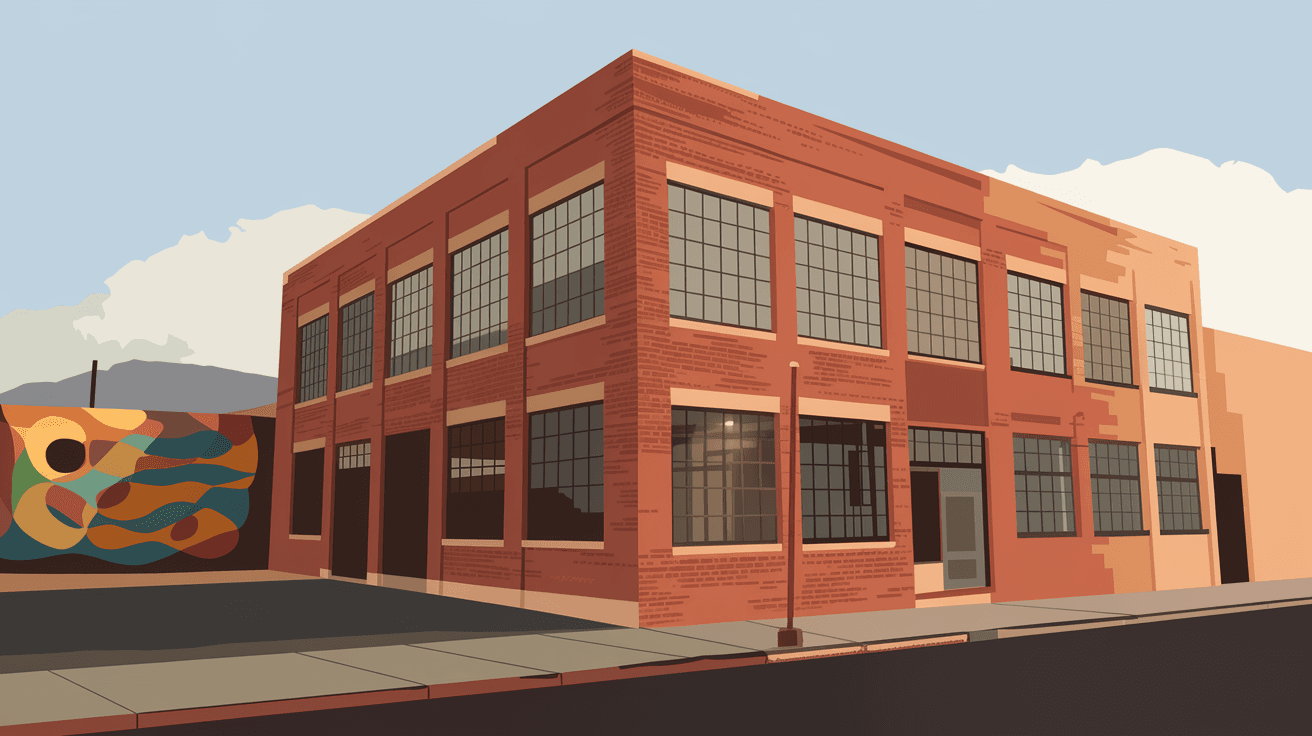
What's driving the real estate story, though, is the adaptive reuse pipeline. Old commercial and light industrial buildings along 2nd Street, Broadway, and the blocks between Central and Coal have been converting to residential lofts and mixed-use projects at a pace that's added meaningful inventory without the cookie-cutter sameness you see in suburban new construction.
EDo Albuquerque Real Estate Prices: What Buyers Are Actually Paying in 2026
Here's the number that stops most buyers mid-scroll: the median home price in the Downtown and EDo corridor sits around $330,000 right now. The metro-wide median is $385,000. That gap is real, and it's one of the reasons urban buyers who've done their homework are paying attention.
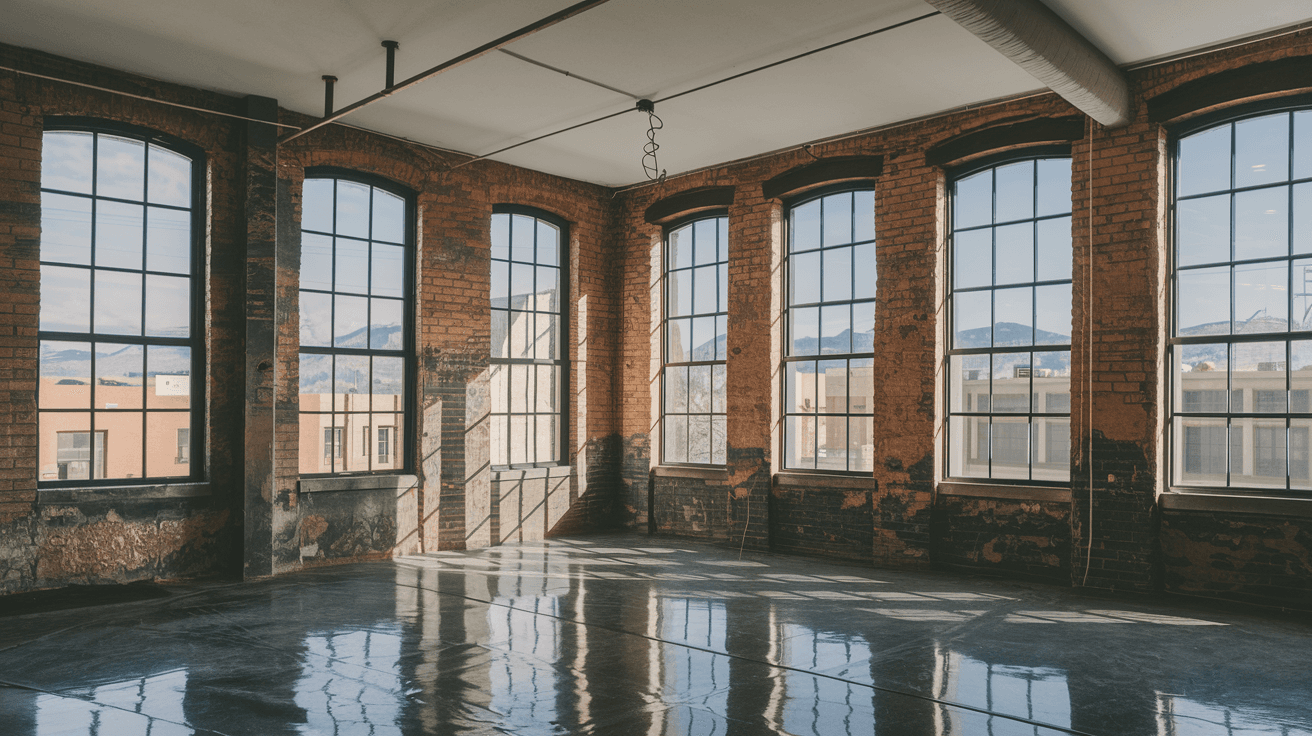
To put that in context, you're looking at a neighborhood where loft-style condos and converted units in the $250,000 to $400,000 range are genuinely available, not just theoretical. At the higher end of that range, you're getting exposed concrete ceilings, original brick, 12-foot windows, and in some cases rooftop access with Sandia views that would cost you considerably more in any comparable western city.
The broader Albuquerque market is sitting at about 4.1 months of inventory with around 3,200 active listings metro-wide. That's a relatively balanced market, not the frenzied seller's market of a few years back. In Downtown and EDo specifically, the days on market average around 31 days, and sellers are getting close to asking, with a list-to-sale ratio of 97.8%. What that tells a buyer is that well-priced units move. You don't have months to deliberate, but you're also not writing offers at 10% over asking on day one.
“"The buyers we're working with in EDo aren't settling for urban living. They're choosing it specifically because the price-per-square-foot math works and the walkability is real."
What Loft Conversions Actually Look Like Inside
Not all downtown ABQ lofts for sale in 2026 are created equal, and this is where a lot of buyers get caught off guard. The term "loft" gets applied loosely, so it's worth understanding the distinctions.
True adaptive reuse lofts, the ones coming out of former warehouse and commercial buildings, tend to offer:
- •Polished concrete or original hardwood floors
- •Open floor plans with minimal interior walls
- •High ceilings, often 11 to 14 feet
- •Large industrial-style windows with significant natural light
- •HOA structures that cover exterior maintenance and sometimes utilities
The trade-off is that these units often have limited storage, parking that requires a monthly fee or is located off-site, and HVAC systems that work harder in a high-ceiling space than in a standard home. Heating costs in a unit with 13-foot ceilings and single-pane historic windows are a real conversation to have before you fall in love with exposed ductwork.
Newer mixed-use developments along the corridor offer a different product: more conventional layouts with loft aesthetics applied, better insulation, updated mechanical systems, and typically more storage. Less character, more practicality. Which one fits depends entirely on the buyer.
Rail Runner Access and the Downtown Albuquerque Commute Reality
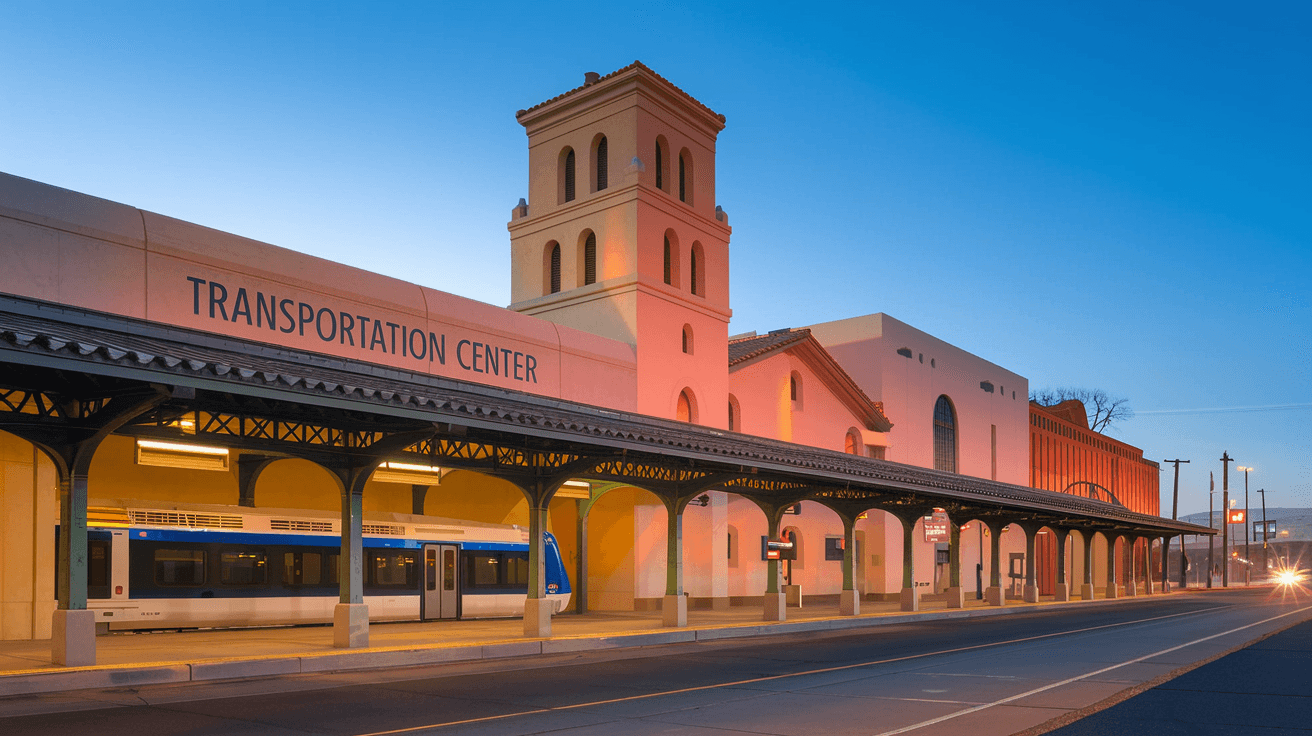
The New Mexico Rail Runner Express stops at the Alvarado Transportation Center on 1st Street downtown, and this is genuinely one of the most undervalued features of living in this neighborhood. If you work in Santa Fe, or have regular meetings there, the math is straightforward: park your car, board at Alvarado, and you're in the Santa Fe Depot roughly 90 minutes later. Round trip, the cost is modest. The stress of I-25 through the Tijeras Canyon and the La Bajada hill in winter is zero.
For buyers with any kind of Santa Fe professional connection, the Rail Runner commute changes the calculus on where to live entirely. A $330,000 loft in EDo with walking distance to the train station competes very differently against a $450,000 house in the South Capitol neighborhood of Santa Fe when you factor in cost of living differences.
Locally, the Albuquerque Rapid Transit (ART) line runs Central Avenue and connects the downtown core to Nob Hill, UNM, and points east. It's not perfect, and longtime Albuquerqueans have opinions about it, but for car-light living it does extend your walkable range considerably without touching I-25.
Walkability in Downtown Albuquerque: What You Can Actually Reach on Foot
This is the insider part. Downtown ABQ's walkability scores well on paper, but the lived experience depends heavily on which block you're on and what time of day it is. Here's what's genuinely walkable from most EDo addresses:
- •Grocery: Smith's on Yale is a longer walk, but the Sprouts on Broadway is more realistic for daily errands
- •Coffee: Zendo Coffee on Gold Avenue is a neighborhood anchor and one of the best roasters in the city
- •Dining: The concentration on Central between 4th and 8th, plus the Gold Avenue corridor, covers everything from a quick lunch to a proper dinner out
- •Green space: Tiguex Park is a bike ride away; the Paseo del Bosque Trail along the Rio Grande is accessible by a short ride or longer walk west on Central
- •Healthcare: Presbyterian and UNM Hospital are both within reasonable distance, which matters more than people think when they're buying a home they plan to age into
The insider tip that only people who actually live here know: park on 2nd Street south of Coal on weekend mornings if you're driving to the Rail Yards Market. The lots everyone fights over near the market fill up fast, but the street parking two blocks south is almost always open, and the walk through the old warehouse district is worth it anyway.
Who Is Actually Buying Downtown Albuquerque Real Estate Right Now
The buyer profile in Downtown and EDo has shifted noticeably. A few years ago, the market was dominated by investors picking up units at distressed prices and a thin layer of early-adopter owner-occupants. That mix has changed.
Remote workers are a significant presence now, particularly people who relocated to Albuquerque from higher-cost markets and chose the urban core specifically because they could. When your office is your living room, a 900-square-foot loft with good light and walkable coffee is a more compelling option than a three-bedroom ranch in the Northeast Heights.
Empty nesters from the Heights and the East Mountains are another real segment. People who raised families in larger homes and are now actively choosing to downsize into something with less maintenance, more walkability, and proximity to the cultural amenities they actually use.
First-time buyers with a higher tolerance for urban living and a lower budget ceiling than the metro median are finding that downtown ABQ lofts for sale in 2026 represent one of the more accessible entry points into Albuquerque homeownership.
And then there are the buyers who are simply done with the commute math. If your job is at the Bernalillo County Courthouse, the federal buildings on Gold, or any of the state offices clustered downtown, the idea of walking to work instead of driving from the Heights is a lifestyle argument that doesn't require much convincing.
“"The downtown ABQ buyer in 2026 isn't someone who couldn't afford the suburbs. They're someone who looked at the suburbs and said no thank you."
What to Watch Out For: Honest Trade-Offs for Downtown Albuquerque Buyers
Being honest about this neighborhood means saying clearly that living in downtown Albuquerque in 2026 is not for everyone, and the reasons why matter.
APS school assignments for downtown addresses run through the central district schools, and families with school-age children will want to research specific school options carefully before buying. The district has open enrollment policies that give families more flexibility than a strict boundary assignment would suggest, but it requires active navigation.
Parking and storage are the two logistical realities that catch buyers off guard most often. If you have two cars, outdoor gear, and furniture that doesn't fit in 900 square feet, the loft lifestyle requires some real lifestyle adjustment, not just a nice aesthetic.
Property condition variability in adaptive reuse buildings is higher than in conventional housing. An HOA that hasn't properly reserved for roof replacement or elevator maintenance is a problem that shows up in a special assessment, not in the listing photos. Due diligence on HOA financials is non-negotiable in this market.
On the positive side of the ledger: the property tax picture in Bernalillo County is generally favorable compared to peer cities, and the cost of homeownership in this price range compares well against renting a comparable unit. At current interest rates, the buy-versus-rent math in EDo has tightened in favor of buying for people who plan to stay at least three to five years.
If you're seriously considering a move to Downtown or EDo and want to walk the blocks with someone who knows which buildings have the best HOA reserves and which listings are priced to move, the Taylor Team at Berkshire Hathaway HomeServices works this market closely. Reach out and we'll show you what's actually available right now, not just what the algorithm surfaces.
Downtown Albuquerque in 2026 is a neighborhood in the middle of its own story. It's not finished, and that's part of what makes it interesting to buy into right now. The bones are good, the price point is still below the metro median, and the Rail Runner alone is worth more than most buyers price in. The buyers who are moving here aren't making a compromise. They're making a choice.
Want more insider intel?
Subscribe to get market updates and new articles delivered to your inbox.