
Inside Four Hills Albuquerque: The Quiet Southeast Neighborhood With Surprising Value Per Square Foot
If you've driven along Tramway Boulevard heading south and wondered what's tucked behind those rolling hills past the golf course, you're not alone. Four Hills Albuquerque doesn't advertise itself. It doesn't need to. The people who live there tend to stay, and the ones who find it usually feel like they stumbled onto something the rest of the city hasn't fully caught onto yet.
That quiet confidence is exactly what makes this neighborhood worth a serious look right now, especially if you've been watching Albuquerque's broader market and feeling priced out of the conversation.
Four Hills Albuquerque Location and What Makes It Different
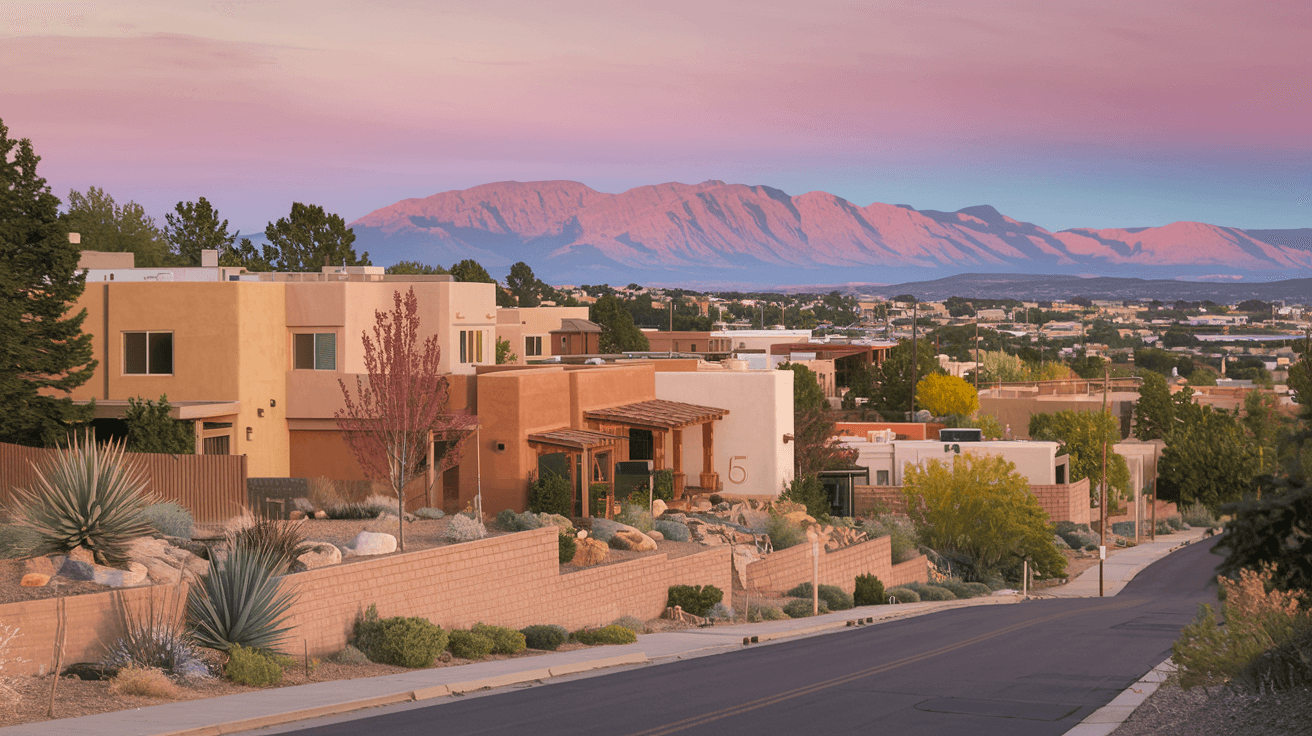
Four Hills sits in the southeast quadrant of the city, bounded roughly by Central Avenue to the north, Tramway to the east, and the Tijeras Arroyo corridor to the south. It's not a master-planned development with a homeowners association breathing down your neck about your mailbox color. It's an established neighborhood that grew up organically over several decades, which means you get mature landscaping, larger lots, and homes with actual architectural variety rather than the copy-paste streetscapes you see in some of the newer far-northeast developments.
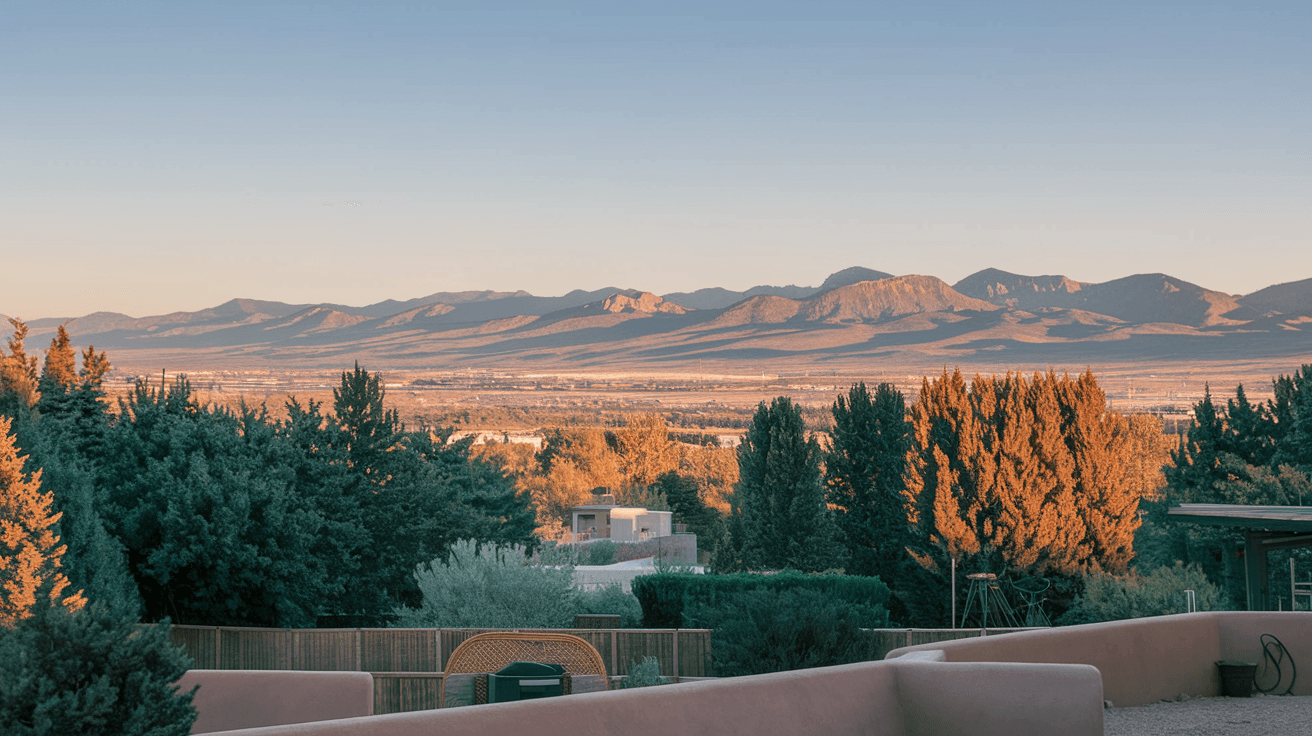
The terrain itself is part of the appeal. Four Hills sits on a series of gentle mesas and arroyos, which means many homes have elevated views of the Rio Grande valley to the west and unobstructed sightlines toward the Sandia Mountains to the north and east. On a clear morning, which in Albuquerque is most mornings, that view from your back patio is genuinely something.
The neighborhood is also positioned at an interesting geographic crossroads. You can get to Kirtland Air Force Base in under fifteen minutes via Gibson. Nob Hill and the University of New Mexico are a straight shot west on Central. The Sandia Peak Tramway is practically in your backyard. And if you need to get to the northeast heights for work or school, Tramway Boulevard moves fast during off-peak hours.
Four Hills Home Prices and Market Value Compared to Albuquerque
Here's where things get genuinely interesting for buyers doing their homework. The Albuquerque metro median home price is sitting around $385,000 right now. Four Hills comes in above that at a median of approximately $418,000, but before you scroll past, consider what that number actually buys you here versus other neighborhoods in that price range.
Four Hills homes are typically larger. You're commonly looking at 1,800 to 2,800 square feet on lots that often exceed a quarter acre. When you do the math on price per square foot, the comparison to newer construction in the far northeast or the tighter lots in the Heights starts to look very different. You're frequently getting more house for the money, plus the kind of mature trees and established landscaping that would take twenty years to grow in a newer subdivision.
The broader market context matters here too. Albuquerque is running at about 2.8 months of inventory, which is still firmly a seller's market. Active listings across the metro hover around 3,200, and homes are moving with a list-to-sale ratio of 98.1%, meaning sellers are getting very close to their asking price. The average days on market sits around 34, so well-priced homes in desirable neighborhoods are not sitting.
“Four Hills tends to attract buyers who have done their research. They're not impulse-buying the neighborhood. They've compared the numbers, driven the streets, and realized they're getting more square footage and more land than almost anywhere else at this price point in the city.
For buyers considering Four Hills homes for sale, that combination of above-median space at a price point that still pencils out on value is a real differentiator. The neighborhood isn't cheap, but it earns its price in ways that show up in daily life.
Living in Four Hills ABQ: Schools, Commutes, and Daily Logistics
Living in Four Hills ABQ means your kids are in the Albuquerque Public Schools district, feeding into Eisenhower Middle School and then on to either La Cueva or Sandia High School depending on your exact address. Both high schools carry strong reputations within APS, and the La Cueva feeder in particular is one of the more sought-after pathways in the district for families who prioritize academics and extracurricular programs.
For daily errands and everyday life, the neighborhood is more self-sufficient than it looks on a map. The shopping center at the intersection of Central and Tramway gives you a grocery option without having to leave the immediate area. Locals who know the southeast side also know that the stretch of Juan Tabo heading north connects you quickly to the bulk of the northeast heights retail corridor, including Sprouts, Trader Joe's, and the collection of restaurants around Montgomery and Eubank.
One insider note that doesn't show up on any real estate listing: the Tijeras Arroyo trail system that runs along the southern edge of Four Hills is genuinely underused compared to the Bosque trails on the west side. On a Saturday morning you can walk or bike for miles through high desert terrain with almost no crowds. It connects to the larger Albuquerque trail network and gives Four Hills residents a kind of recreational access that people on the other side of the city drive across town to find.
The commute picture is honest rather than rosy. If you're heading downtown or to the Sunport area, you're looking at a straightforward drive that rarely exceeds twenty minutes outside of peak hours. Heading to the westside is where you'll feel the city's east-west geography, but Tramway to I-40 is a reliable route that most Four Hills residents have dialed in.
Four Hills Homes for Sale: What the Housing Stock Actually Looks Like
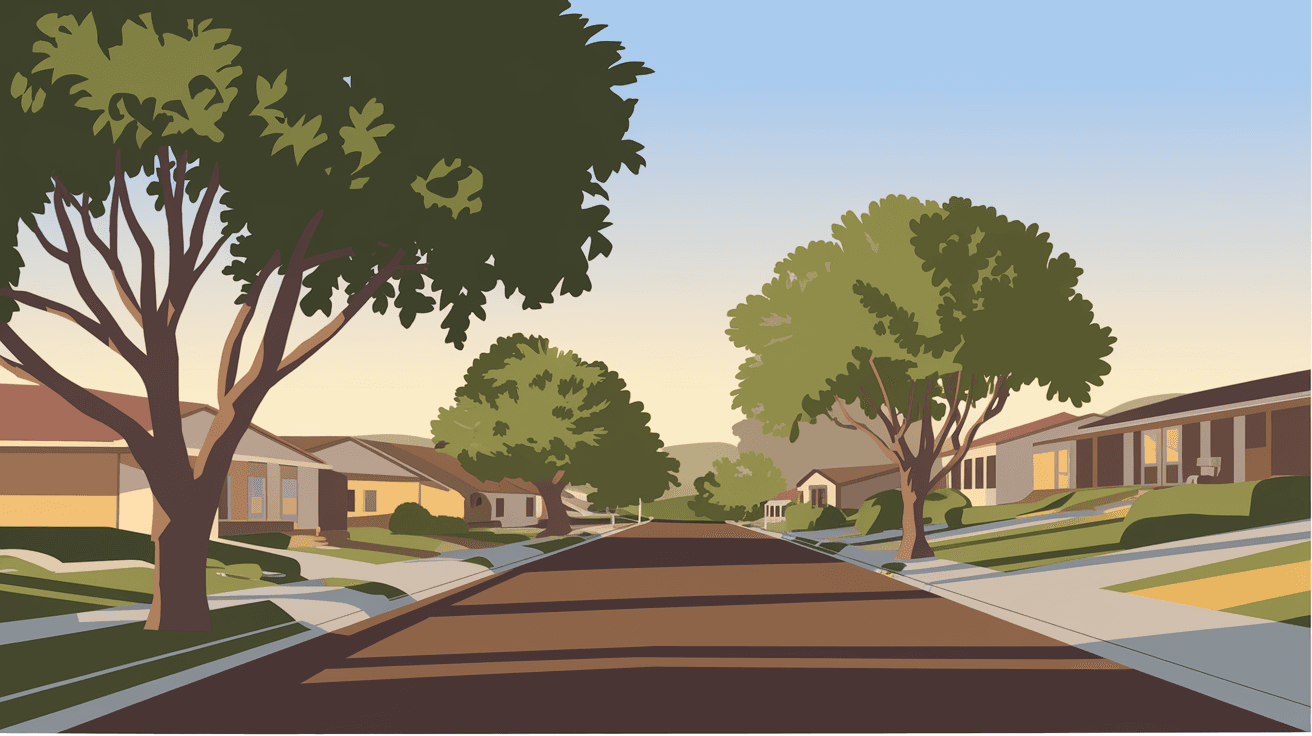
Spending time with Four Hills homes for sale means getting comfortable with a range of architectural styles that reflect the neighborhood's development history. The bulk of the housing stock dates from the 1970s through the early 1990s, which means you'll see a lot of single-story adobe and stucco construction, territorial-style homes with flat or low-pitched roofs, and the occasional two-story that stands out in a sea of ranch layouts.
What this translates to practically:
- •Larger floor plans with formal living and dining rooms that newer homes have largely abandoned
- •Attached two and three-car garages that are standard rather than exceptional
- •Lot sizes that often allow for a pool, a casita addition, or serious backyard landscaping without feeling cramped
- •Mature trees, including cottonwoods and ornamental pines, that provide actual shade during Albuquerque summers
- •Solid construction from an era when exterior walls were built thicker and insulation was taken seriously
The tradeoff is honest: some of these homes need updating. Kitchens and bathrooms from 1985 are not going to photograph like a new build in Mariposa. But buyers who are willing to put in cosmetic work, or who simply want more space and land than their budget would allow elsewhere, consistently find that Four Hills delivers.
For buyers who want move-in ready, those homes exist too. A meaningful portion of the Four Hills inventory has been renovated by owners who invested in the neighborhood long-term, and those updated properties tend to move quickly when they hit the market, often within days of listing.
“The homes here were built to last. When you open up the walls to do a renovation, you're usually finding solid bones. That's not always the case with newer construction at the same price point.
Four Hills Albuquerque Neighborhood Character and Long-Term Appeal
Four Hills Albuquerque has the kind of neighborhood character that's hard to manufacture. Streets like Zuni Road SE and the winding terrain around Four Hills Road itself give the area a topographic personality that flat grid neighborhoods simply don't have. You turn a corner and the view opens up. You drop into an arroyo crossing and come back up to a ridge with a completely different perspective on the city.
The residents tend to be long-timers mixed with a growing wave of buyers discovering what the neighborhood offers. You'll find retired military families who came through Kirtland and never left, UNM faculty who wanted space without leaving the city, and a younger cohort of buyers who ran the numbers and decided that Four Hills made more financial sense than competing for smaller homes closer to the Nob Hill corridor.
The neighborhood doesn't have a walkable commercial district, and that's worth saying plainly. If you want to walk to a coffee shop or a restaurant, Four Hills is not that neighborhood. What it offers instead is space, quiet, views, and a sense that you're in the city but not on top of it.
Is Four Hills the Right Fit for Your Next Home?
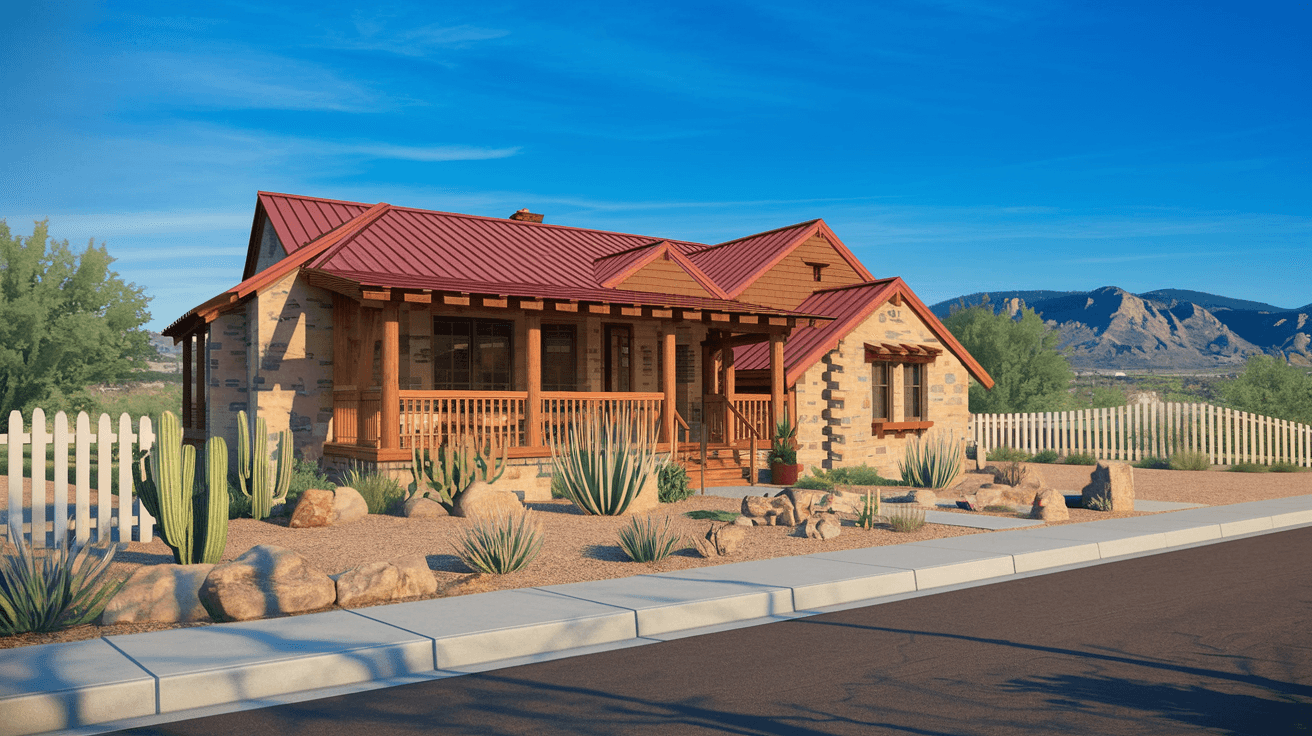
For buyers who have been watching the Albuquerque market and feeling like the numbers never quite work in their favor, Four Hills is worth a dedicated look. The value per square foot argument is real. The school feeders are strong. The location gives you access to most of the city without being in the middle of the congestion. And the neighborhood's established character means you're buying into something that has proven staying power rather than betting on appreciation in an area that hasn't found its footing yet.
The Taylor Team works this part of the city regularly and knows which streets have the best views, which blocks have the most consistent turnover, and where the hidden value tends to sit in the current Four Hills inventory. If you want a straightforward conversation about what your budget actually gets you in this neighborhood right now, reach out and we'll walk through the real numbers together.
Four Hills doesn't make a lot of noise about itself. But for buyers who take the time to look closely, that quiet tends to start feeling less like obscurity and more like opportunity.
Want more insider intel?
Subscribe to get market updates and new articles delivered to your inbox.