Downtown Albuquerque Homes for Sale: Who's Buying in EDo and What Your Money Actually Gets You in 2026
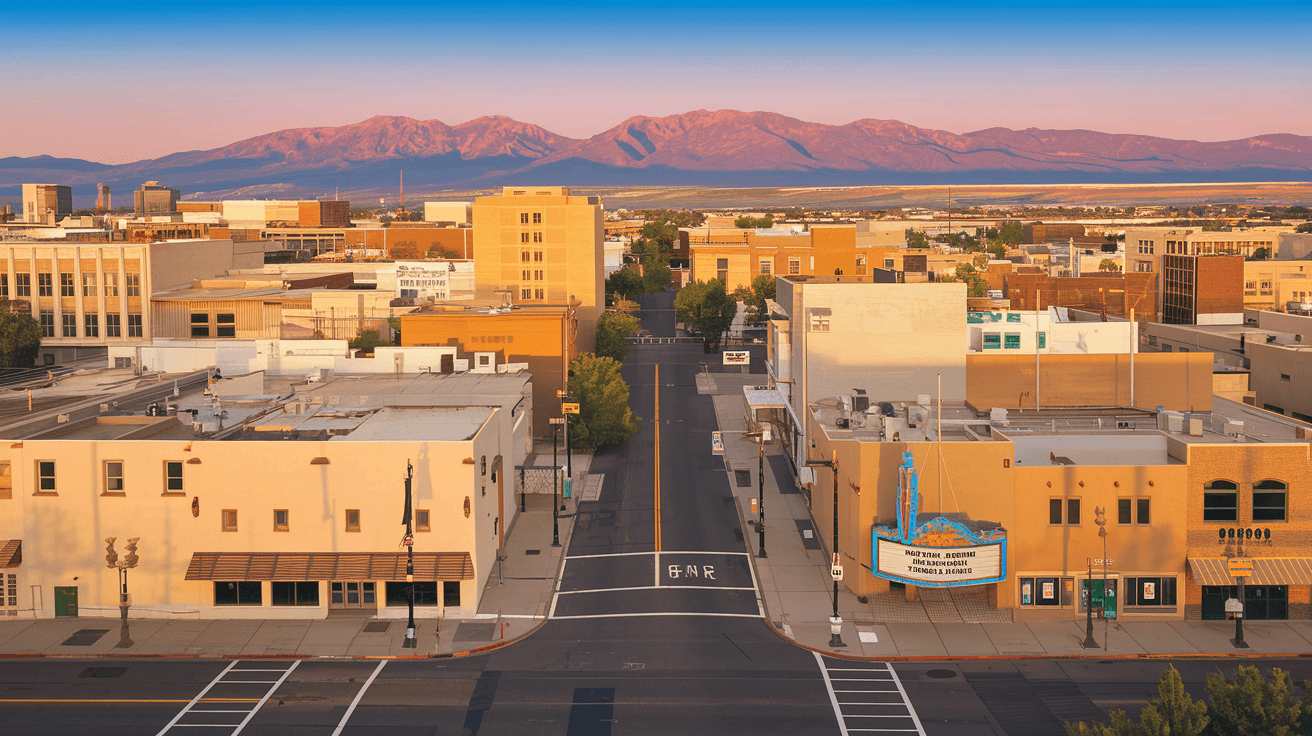
If you spend any real time around Central and Gold, around 4th Street or the stretch of Broadway that bleeds into the East Downtown arts district, you start to notice something. The conversation about downtown Albuquerque homes for sale has changed. It's not just artists and risk-takers buying here anymore. The buyer pool has broadened, prices have held steady in a way that surprises people, and the neighborhood itself is doing something that's hard to fake: it's becoming more livable, block by block, without losing the grit that made it interesting in the first place.
This post breaks down who is actually purchasing property in Downtown Albuquerque and EDo, what they're spending, and what they're walking away with. No cheerleading, just honest ground-level perspective from people who know these zip codes well.
Downtown Albuquerque Real Estate Market Conditions in 2026
The numbers here tell a story that a lot of buyers don't expect. While the broader Albuquerque metro is sitting at a median home price around $445,000, downtown and EDo come in noticeably lower, with a median closer to $375,000. That gap matters, especially when you factor in what you're getting: walkability, proximity to the Rail Runner, and a built environment that no suburban subdivision can replicate.
Inventory is tight. There are roughly 48 active listings across the downtown core and EDo at any given point, and with only 2.7 months of supply, this is not a market where you browse casually and circle back in a few weeks. Homes are moving at an average of 22 days on market, and sellers are getting essentially what they ask for, with a list-to-sale ratio of 98.5%. If you find something you like, the window to act is short.
The practical takeaway: this is a real market with real competition, not a distressed urban pocket where deals fall into your lap.
Who Is Actually Buying Downtown Albuquerque Homes Right Now
The buyer profile here is more varied than most people assume, and it's shifted meaningfully over the past few years.
Remote Workers and Young Professionals
Remote workers have been a significant driver in this market. Someone earning a tech or creative salary from a company headquartered elsewhere, paying Albuquerque rents or mortgage payments, has a different calculus than a buyer locked into a local salary. Downtown gives them the urban texture they want without the price tag of Denver or Austin. They're often buying lofts and condos near Gold Avenue, or the smaller single-family homes tucked into the residential blocks east of Broadway.
Artists, Creatives, and Long-Term EDo Believers
EDo, the East Downtown arts district, has had a loyal buyer base for years. These are people drawn to the warehouse conversions, live-work spaces, and the concentration of studios and galleries around 1st and 2nd Streets. They're not buying here despite the neighborhood's rougher edges; they're buying because of the authenticity those edges represent. Prices in this pocket have appreciated steadily, and the people who bought here five to eight years ago have seen real equity growth.
Empty Nesters Downsizing from the Heights or Rio Rancho
This one surprises people, but it's real. Couples whose kids are grown, who spent decades in a four-bedroom house in the Northeast Heights near Eubank, are trading square footage for walkability to the Albuquerque Convention Center, Civic Plaza, and the restaurants along Central. They want to walk to Casa de Benavidez or grab coffee at Zendo without getting in a car. A well-maintained condo or a renovated townhouse downtown fits that life.
Investors Watching the Long Game
Short-term rental investors and small landlords are also active here, particularly around EDo where the arts scene and proximity to Nob Hill create consistent demand from visitors and traveling professionals. This segment is worth knowing about because it adds competitive pressure on the limited inventory.
“"The buyers I work with in downtown ABQ aren't looking for perfect. They're looking for real. They want a neighborhood with a pulse, and they're willing to put in some work to be part of something that's still becoming what it's going to be."
EDo Albuquerque Real Estate: What $375,000 Actually Buys
Let's get specific, because the range of product in this market is genuinely wide.
At the lower end of the downtown and EDo market, roughly $250,000 to $310,000, you're looking at:
- •Smaller condos in established buildings near the civic core
- •Studios or one-bedrooms with updated kitchens but limited outdoor space
- •Units that may need cosmetic work but are priced to reflect it
In the $350,000 to $420,000 range, which clusters around that $375,000 median, the inventory shifts to:
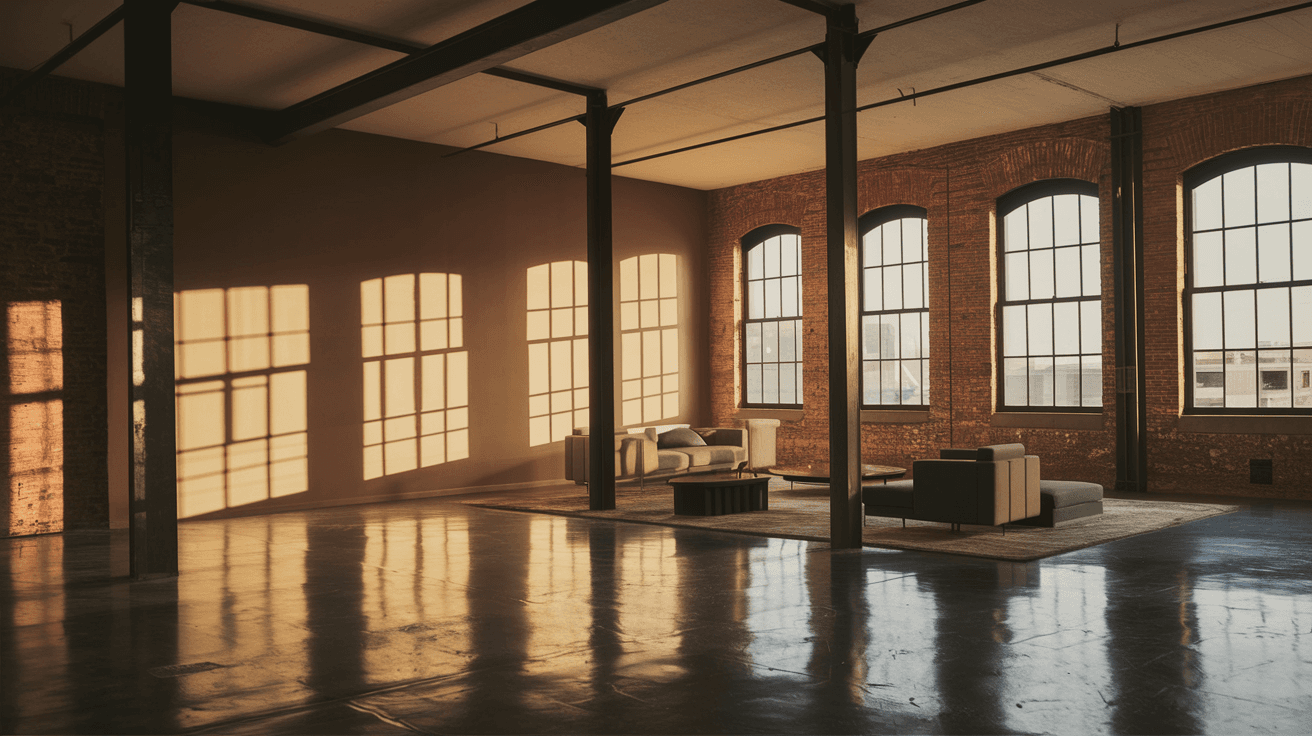
- •Two-bedroom condos and lofts with exposed brick or concrete ceilings in converted commercial buildings
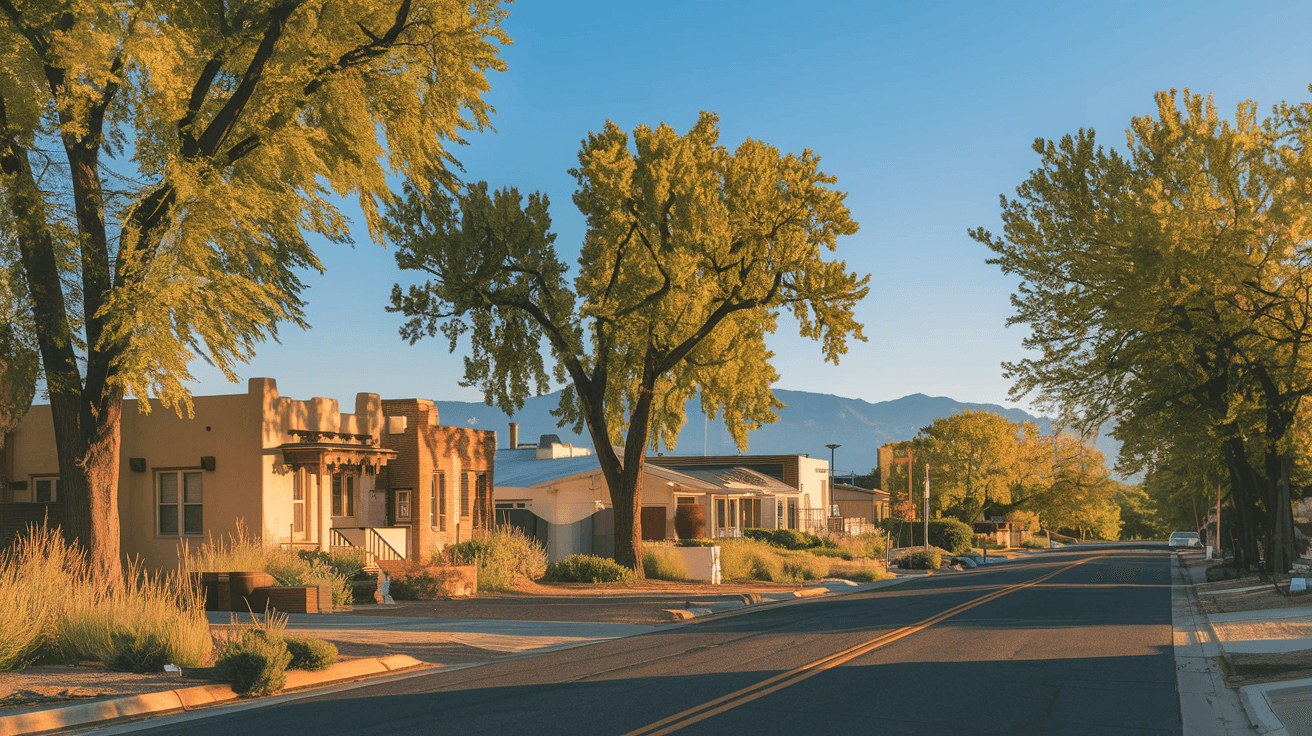
- •Renovated single-family homes on the residential streets between Lead and Coal
- •Live-work spaces in EDo with open floor plans and dedicated studio areas
- •Townhomes with small private patios or rooftop access
Above $450,000, you're getting into the more finished product: fully renovated historic homes, larger lofts with premium finishes, or properties with income potential through an attached unit.
The APS school district serves this area, which is a factor buyers with school-age children weigh carefully. Families buying downtown are often doing so with their eyes open about the school landscape, and many supplement with magnet programs or private options.
The Insider Reality of Living Downtown: What the Listings Don't Say
Here's the part that only comes from actually knowing the neighborhood.
Central Avenue is not a monolith. The stretch from 4th Street heading east toward Nob Hill is genuinely walkable and improving. The blocks immediately around 1st and 2nd in EDo have a creative energy that's hard to describe until you're in it on a Thursday night when the galleries are open. But there are pockets within a few blocks of each other that feel completely different, and knowing which side of which intersection you're on matters for both quality of life and resale.
The Rail Runner station at Alvarado Transportation Center is a legitimate lifestyle asset that is chronically underappreciated in listing descriptions. If you have any reason to travel to Santa Fe regularly, for work, family, or just the weekend, living within walking distance of that station changes your life in a small but meaningful way.
Parking is a real consideration in some parts of the downtown core, particularly if you're looking at older buildings that predate modern parking requirements. Ask specifically about dedicated parking before you fall in love with a unit.
The Albuquerque BioPark, the National Hispanic Cultural Center just south on 4th, and Tiguex Park are all close enough to be part of your regular rhythm. Buyers who engage with the cultural life of the city find downtown and EDo deeply rewarding. Buyers who primarily want quiet streets and big yards usually end up somewhere else, and that's fine. Knowing which kind of buyer you are saves everyone time.
“"Downtown ABQ has about a 10-year head start on being what people are going to say it became. The infrastructure is going in, the businesses are taking root, and the buyers who are here now are getting in before the story is fully written."
Buying a Home Downtown Albuquerque in 2026: What to Expect from the Process
Given the pace of this market, a few things are worth knowing before you start scheduling showings.
Get pre-approved before you look, not after. With homes averaging only 22 days on market and sellers receiving 98.5% of asking price, writing an offer the same week you first see a property is often necessary. Showing up without financing lined up is showing up to a conversation you're not ready to have.
Condo and loft due diligence is different from single-family. HOA financials, reserve funds, special assessment history, and building insurance all matter in ways that don't apply to a standalone home. This is especially true in some of the older converted buildings in EDo where deferred maintenance can be a real issue.
Know what you're buying into, not just what you're buying. The neighborhood's trajectory matters as much as the unit's finishes. Look at what's permitted nearby, what businesses have opened in the last 18 months, and what the city's investment pattern looks like along the corridors you care about. That context doesn't show up in a listing, but it shapes what your investment looks like in five years.
If you're seriously considering buying a home in downtown Albuquerque and want to walk the blocks with someone who knows which buildings have the best-run HOAs, which streets have changed the most, and where the value still lives, reach out to The Taylor Team. A conversation costs nothing, and knowing the neighborhood from the inside is worth a lot.
Downtown Albuquerque Homes for Sale: The Honest Bottom Line
This is a neighborhood that rewards buyers who do their homework and move with intention. The price point is genuinely compelling relative to the metro median. The lifestyle is specific and not for everyone, but for the buyers it fits, it fits completely. The market is competitive enough that preparation matters, and the inventory is limited enough that knowing what you want before you start looking saves real time and real frustration.
Downtown Albuquerque and EDo are not finished products. That's exactly the point. The buyers here are getting in on a neighborhood that is still writing its story, at prices that reflect where it's been as much as where it's going.
Want more insider intel?
Subscribe to get market updates and new articles delivered to your inbox.