Green Chile Season in Albuquerque: Why the City's Food Culture Makes It One of America's Most Livable Places
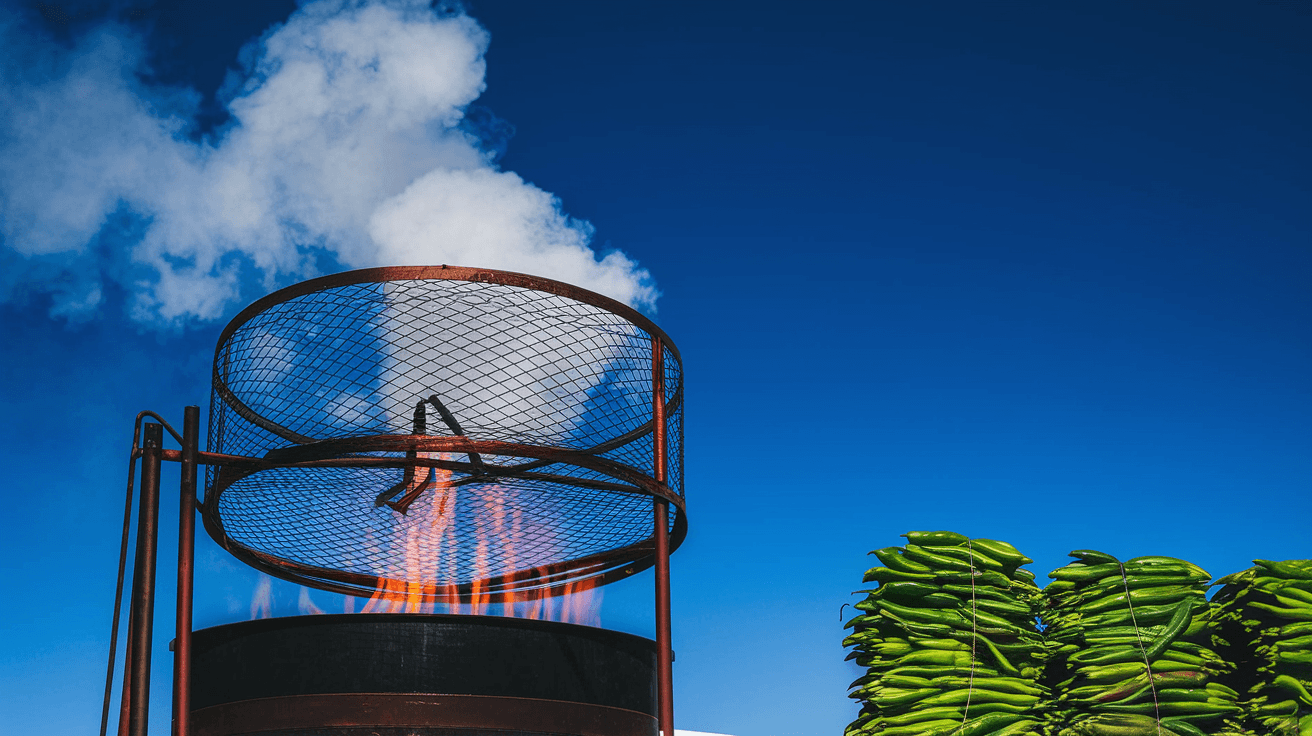
There is a moment every August when you are driving down Central Avenue or cutting through the South Valley, and the smell hits you before you even see the roasters. That smoky, earthy, unmistakably New Mexican aroma drifting out of a Walmart parking lot or the lot next to Duran's Pharmacy on Central is not just a seasonal smell. It is a signal. Green chile season is here, and Albuquerque is alive.
For anyone already living here, that smell is home. For anyone considering a move to New Mexico's largest city, it is a front-row introduction to what makes the Albuquerque lifestyle green chile culture so much more than a food trend. It is woven into the social fabric, the neighborhood identity, and honestly, the reason a lot of people never leave once they arrive.
Albuquerque Green Chile Season: What It Actually Looks Like on the Ground
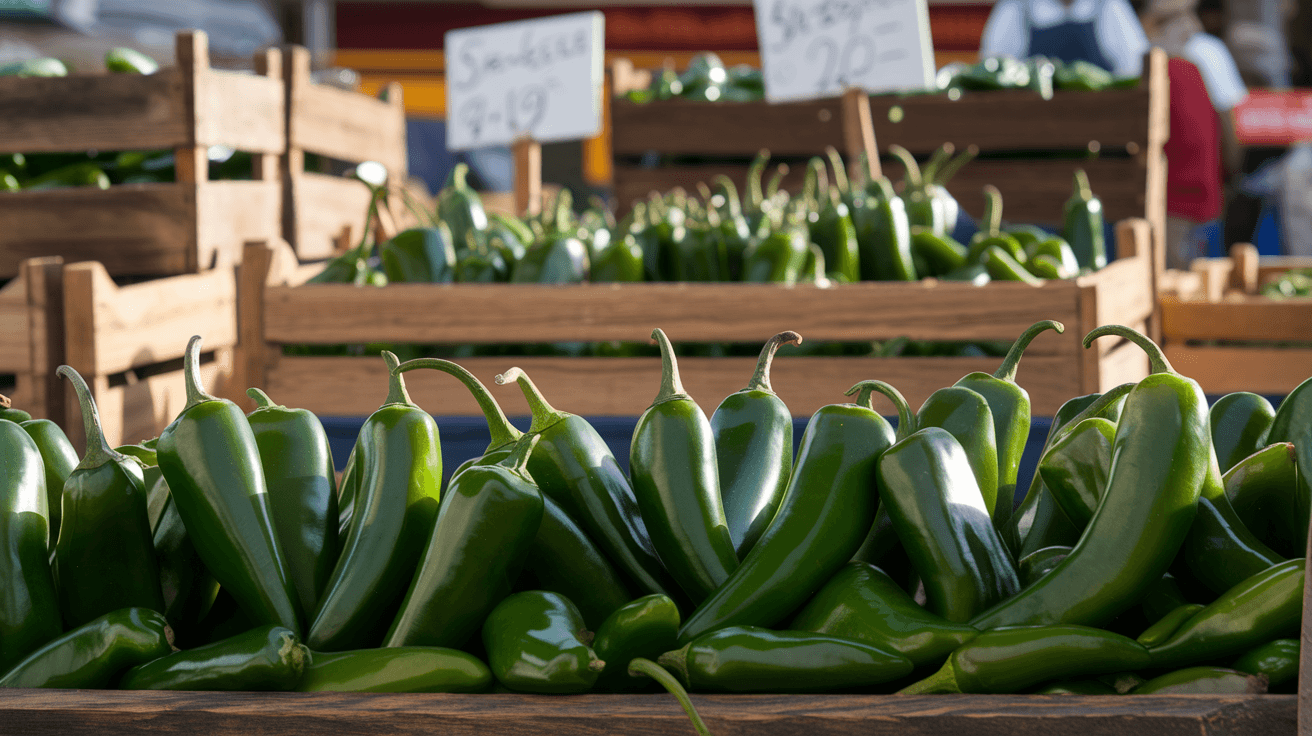
The Hatch chile harvest typically kicks off in late July and runs hard through September. But in Albuquerque, the experience of that season is hyperlocal and deeply personal. Hatch green chile makes its way up I-25 and lands at roasting stations all over the metro, from the big-box store lots in Rio Rancho to the family-run farm stands along the Bosque near Corrales Road.
The roasters themselves are a spectacle. That wire-mesh drum spinning over an open propane flame, charring the skins while a vendor shovels fresh pods in by the bushel, draws a line of people clutching brown paper bags like they are waiting for something sacred. Because in a way, they are.
What matters for anyone thinking about why to live in Albuquerque NM is what happens around that roaster. Neighbors run into each other. Regulars debate mild versus hot with strangers. Someone's abuela is there with a decades-long opinion about which farm's chile is worth the drive. The roaster is a social institution in a city that has hundreds of them.
Why Albuquerque Food Culture Goes Deeper Than Any Restaurant Scene
Albuquerque does not have a food culture built on celebrity chefs or Instagram-driven pop-ups, though there is plenty of that energy too if you want it. The Albuquerque food culture runs deeper because it is generational and it is geographic. The cuisine here is not imported or adopted. It grew out of the land, the people, and the convergence of Indigenous, Spanish colonial, and Mexican traditions that shaped this valley long before it was a metro area of nearly 900,000 people.
When you sit down at a red vinyl booth at Duran's on Central or grab a green chile cheeseburger at Bob's Burgers on Isleta Boulevard, you are eating food that has roots going back centuries. The question a server asks, "red or green?" is not a garnish decision. It is a cultural greeting. The state even made it official: New Mexico's official state question is "Red or green?" with the correct answer being "Christmas" if you want both.
“"The food here is not a backdrop to the city. It is the city. You cannot understand Albuquerque without understanding what people eat and why they eat it together."
This matters for livability in a practical way. Cities with strong culinary identities rooted in community, not trend cycles, tend to have more stable neighborhood anchors. Places like Barelas, the International District along Central, the North Valley, and the South Valley each have their own food traditions and local spots that have survived for decades. That kind of staying power signals community investment, and community investment is what makes a neighborhood worth buying into.
Local Spots That Define the ABQ Food Identity
A few places that any honest local would point you toward:
- •Duran's Pharmacy and Restaurant on Central Ave, where the tortillas are made fresh and the red chile is non-negotiable
- •El Modelo on Second Street, a tamale institution that has been operating since 1929
- •Frontier Restaurant across from UNM, open almost around the clock and a genuine Albuquerque institution since 1971
- •Mary and Tito's Cafe on 4th Street NW, a James Beard Award winner that still feels like someone's kitchen
- •Bob's Burgers on Isleta, where the green chile cheeseburger conversation ends for a lot of people
None of these places are on a national "best of" list circuit. They are just where Albuquerque actually eats.
How Green Chile Season Connects to Albuquerque Neighborhood Life
Here is the insider detail that most relocation guides miss: where you buy your green chile in Albuquerque tells you a lot about which neighborhood you belong to. North Valley residents often swear by the farm stands near Corrales or the co-ops closer to Rio Grande Boulevard. South Valley families may have a specific roaster they have followed for years, sometimes a vendor who parks in the same spot every season. Old Town adjacent neighborhoods have their own rhythms around the Sawmill Market on 1st Street.
This is not trivial. It speaks to how Albuquerque neighborhoods maintain distinct identities within a large metro. When you buy a home here, you are not just buying square footage and a zip code. You are buying into a community with its own rituals, its own gathering spots, and yes, its own chile supplier.
“"Choosing a neighborhood in Albuquerque is a little like choosing your team. The food culture makes it real in a way that a neighborhood boundary line on a map never could."
The Albuquerque real estate market reflects this. Neighborhoods with strong food and cultural anchors, places like Nob Hill, Barelas, Wells Park, and the North Valley corridor, hold their desirability year over year because people who move there tend to stay. They are invested in more than property values. They are invested in the place.
Why Live in Albuquerque NM: The Livability Case Beyond the Food
The Albuquerque lifestyle green chile culture is a gateway into a broader conversation about what actually makes a city livable. Food is a proxy for community health. When a city has deep culinary traditions, active neighborhood markets, and gathering spots that outlast trends, it usually signals a few other things worth paying attention to:
- •Affordable cost of living relative to comparable Western metros like Denver, Phoenix, or Austin
- •Access to outdoor recreation within minutes of most neighborhoods, including the Sandia Mountains, the Bosque trail system, and the Rio Grande
- •A genuine arts and cultural scene anchored by institutions like the National Hispanic Cultural Center in Barelas and the dozens of galleries along Canyon Road in nearby Santa Fe
- •A university-driven energy from UNM and CNM that keeps the city intellectually active and economically diverse
- •Sunshine at a rate that surprises almost every newcomer, over 300 days per year at an elevation that keeps summers comfortable by Southwest standards
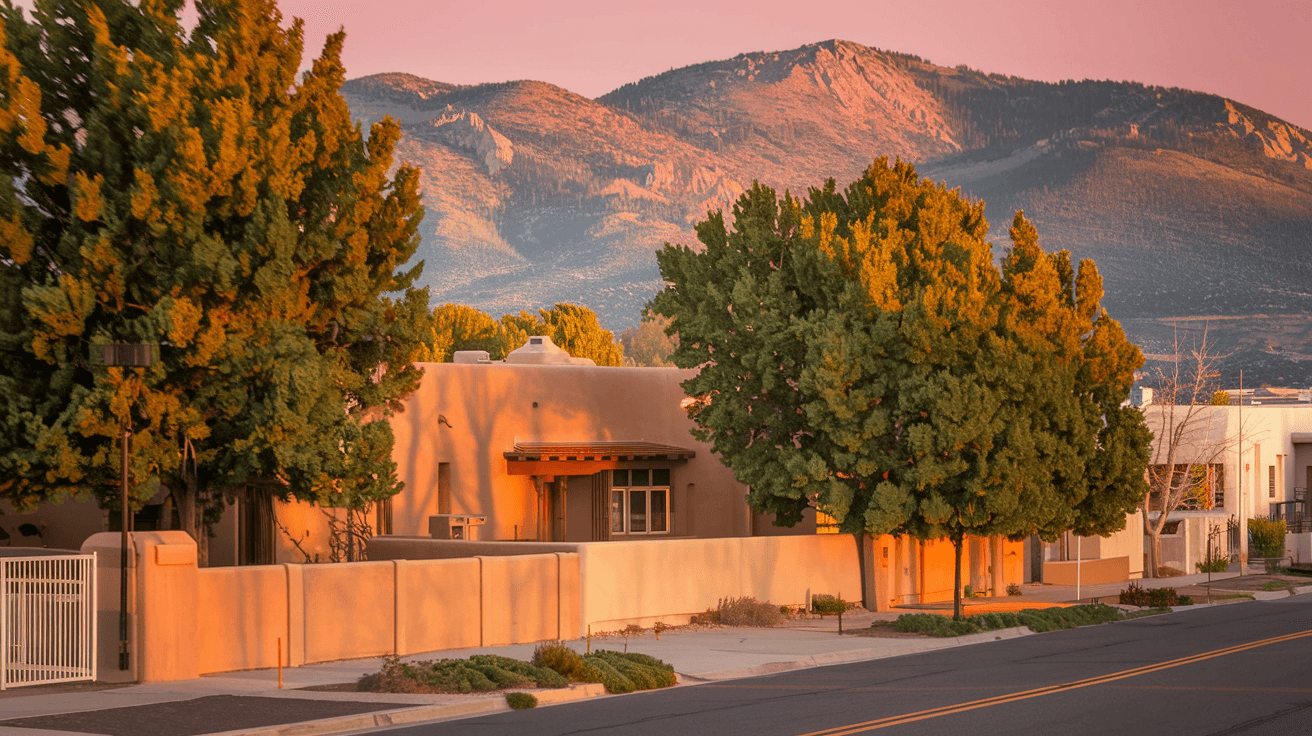
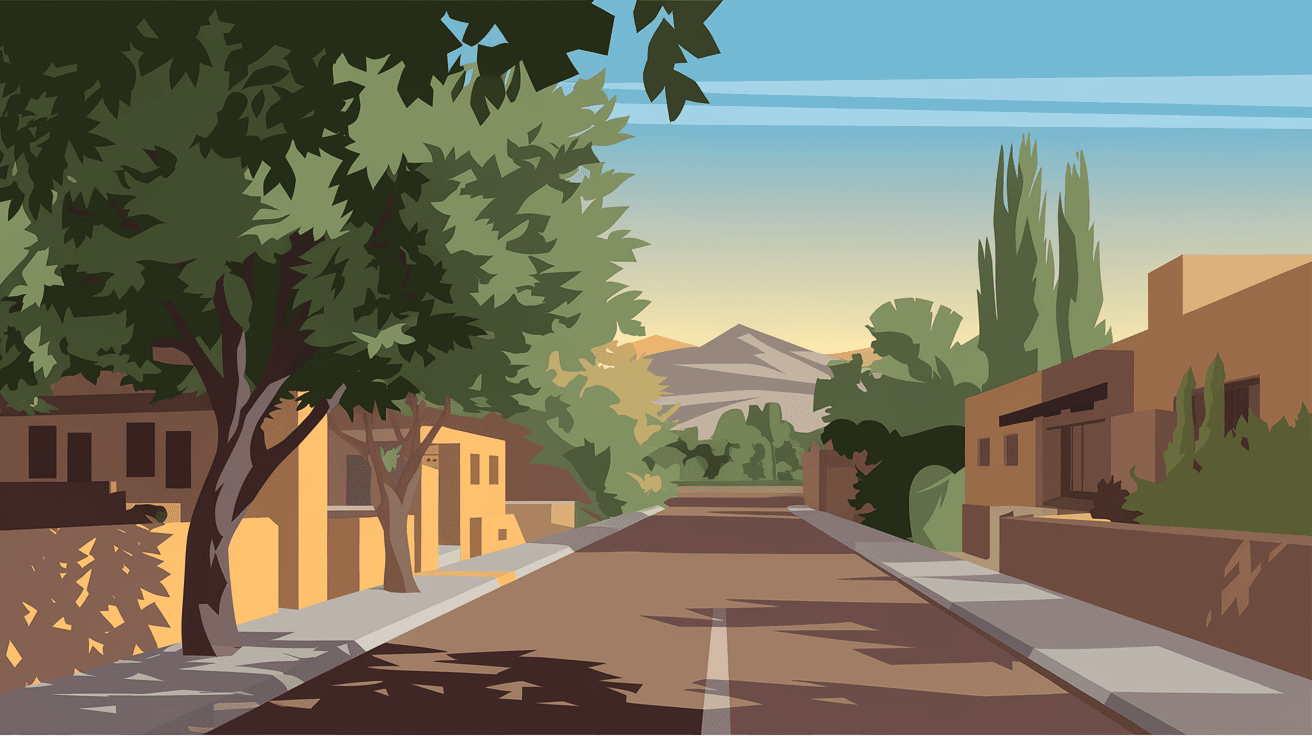
Albuquerque also has something that is genuinely hard to quantify: a sense of place. The Sandia Mountains turn watermelon pink at sunset. The Rio Grande cottonwoods go gold in October. The smell of roasting chile in August hits you on the way to the grocery store. These are not amenities you find in a brochure. They are the texture of daily life, and they are the reason people who move here for a job often end up staying for a lifetime.
The Insider Tip About Green Chile Season Most People Miss
If you want the best roasted green chile in the metro and you want to avoid the peak-weekend crowds, go on a Tuesday or Wednesday morning in mid-August. The vendors are fully stocked, the wait is short, and the roasters are running hot. The 98th Street corridor near the South Valley and the stretch of 4th Street NW between Griegos and Osuna are two spots where you can find consistent, high-volume roasters that locals rely on without the circus of the big-box lot locations. Bring a cooler, get a full bushel, and freeze half of it. You will thank yourself in January when you are making green chile stew and everything outside is grey.
Albuquerque Food Culture Real Estate: Why Neighborhood Character Matters When You Buy
For anyone seriously considering buying a home in the Albuquerque area, the food culture piece is not a soft selling point. It is a legitimate indicator of neighborhood vitality. Walkable access to authentic local restaurants, proximity to the Sawmill Market or the Downtown Growers Market on Robinson Park, and being within a few minutes of a good green chile roaster during season, these things correlate with neighborhoods where people want to live long-term.
Long-term desirability is what protects your investment. It is also what makes waking up on a Saturday morning in your new house feel like something more than a financial decision.
The Taylor Team works in this market every day. We know which neighborhoods are quietly gaining momentum, which blocks have the kind of community investment that shows up in property values over time, and yes, which parts of town have the best access to the things that make Albuquerque feel like Albuquerque. If you are thinking about making a move to the metro or relocating within it, we would genuinely enjoy that conversation. Reach out to The Taylor Team at Berkshire Hathaway HomeServices and let us show you around.
Green chile season is almost here. There is no better time to start thinking about what it would feel like to be home for it.
Want more insider intel?
Subscribe to get market updates and new articles delivered to your inbox.