Albuquerque Housing Market Report — Spring 2026
Albuquerque Housing Market Spring 2026: Where Things Actually Stand
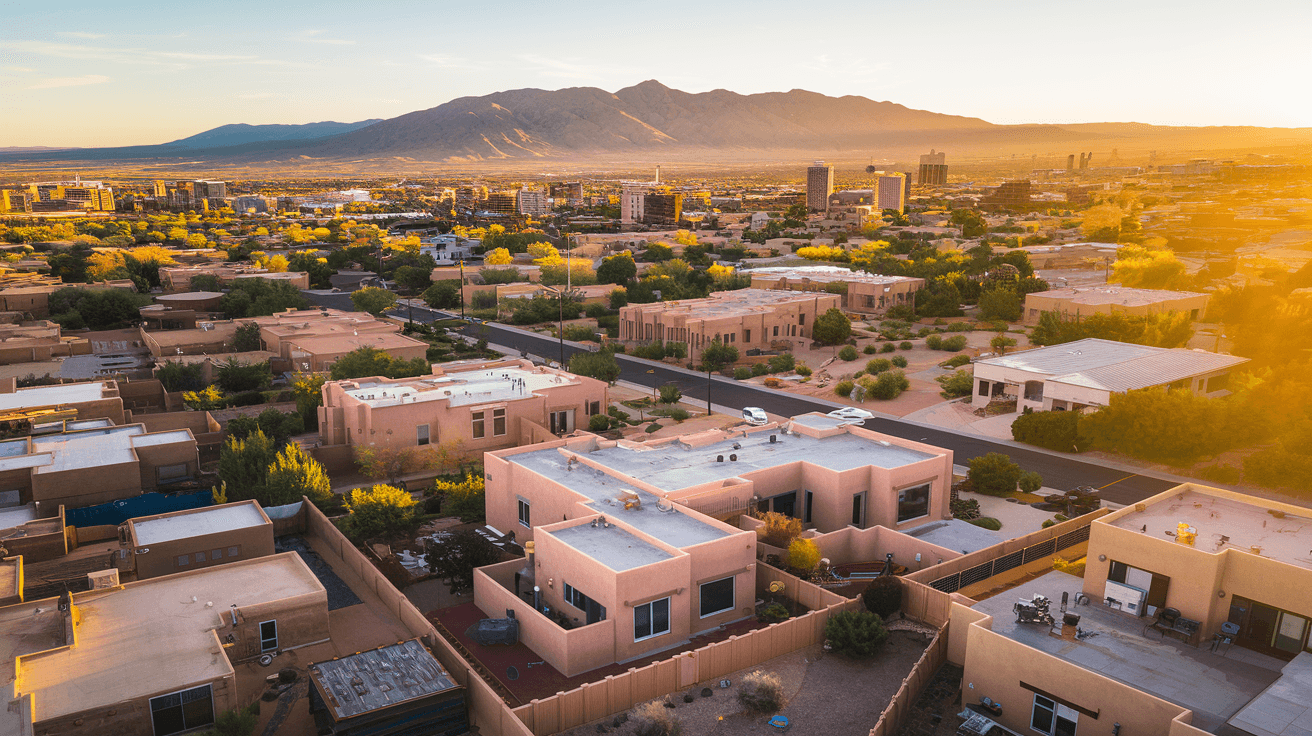
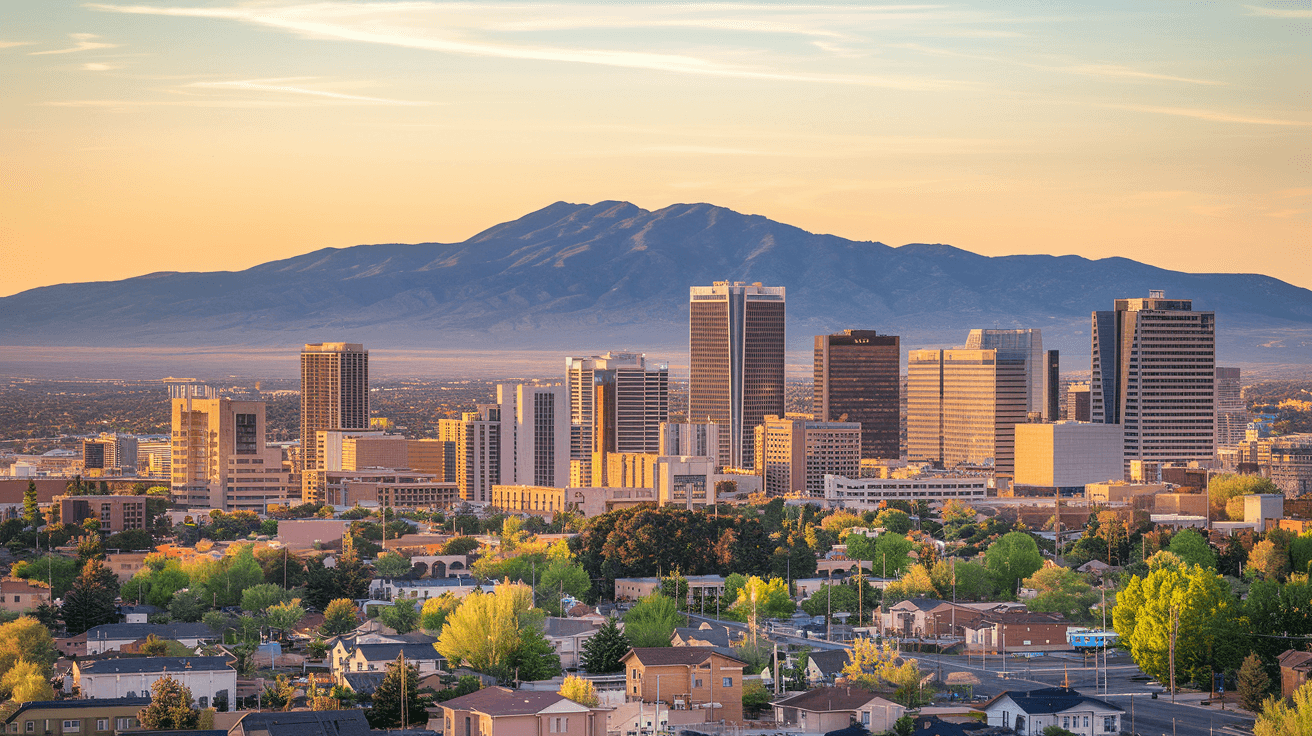
Spring in Albuquerque has always had a way of accelerating things. The cottonwoods green up along the Rio Grande bosque, the Sandias lose their snow cap, and buyers who spent January and February watching Zillow from the sidelines suddenly start scheduling showings on Saturday mornings. What those buyers are finding in spring 2026 is a market that rewards the prepared and punishes the hesitant.
The metro median sale price for spring 2026 sits at $348,000, which represents a 4.3% year-over-year gain from spring 2025's $333,700. That number is not a headline spike — it is a steady, structural increase driven by a fundamental mismatch between the number of people who want to live in Albuquerque and the number of homes available for sale. Inventory currently sits at approximately 2.8 months of supply, which is tight by any measure. A balanced market is generally considered six months. What we have right now is a seller's market with just enough friction to keep it from tipping into the chaos of 2021.
Average days on market is 22 days across the metro. That is faster than the national average, and it means that well-priced homes in desirable neighborhoods are seeing multiple offers within the first weekend. If you are a buyer waiting for the right moment to jump in, that moment is not a week after a home hits the market — it is within 48 hours.
The Price Tier Breakdown
Not all of the Albuquerque market moves at the same pace, and understanding which tier you are competing in is the most important thing a buyer or seller can do before they make a move.
Under $300,000: The Battlefield
This is where demand is most ferocious and supply is most constrained. Homes priced under $300,000 are averaging fewer than 14 days on market, and it is not unusual for well-maintained properties in this range to receive four to six offers by Sunday evening of their first weekend listed. The buyers competing here are a mix of first-timers using FHA financing, investors looking for rental properties, and moderate-income households who have been priced out of their preferred neighborhoods.
Neighborhoods where you can still find properties in this range include the South Valley along Rio Bravo, the Barelas neighborhood south of Downtown, parts of the International District near Kirtland AFB, and scattered pockets of the West Side off Unser where older construction from the 1980s and early 1990s sits alongside newer infill. These are not trophy neighborhoods, but they are real Albuquerque communities with access to transit, employers, and the kind of green chile breakfast burrito spots that no Yelp algorithm can fully explain.
“My advice to buyers in this tier: get fully underwritten pre-approval — not just pre-qualification — before you write a single offer. In a market where homes move in 14 days, sellers do not have patience for buyers whose financing is unclear. A fully underwritten approval letter is a competitive weapon.
$300,000 to $450,000: The Core Market
This is where the majority of Albuquerque's transaction volume lives, and it is the segment that best illustrates the overall spring 2026 dynamic. The median sale price of $348,000 sits squarely in this tier, and so does most of the competition.
Northeast Heights is the epicenter of this price range. Neighborhoods like Uptown, Sandia Heights approach corridors, and the established subdivisions off Academy Boulevard regularly see three-bedroom homes in the $320,000 to $420,000 range. These are the homes that teachers, nurses at Presbyterian Hospital, engineers at Sandia National Laboratories, and mid-career professionals are buying. School quality in the Albuquerque Public Schools northeast cluster — particularly the La Cueva and Eldorado high school zones — adds a real premium here that is not reflected in price-per-square-foot calculations alone.
The North Valley, particularly around Montano Road and the streets feeding off Rio Grande Boulevard, has seen consistent appreciation in this range as buyers seek the bosque lifestyle without the premium attached to Corrales or High Desert. You can still find a 1,600-square-foot adobe with a mature cottonwood in the backyard and mountain views for $375,000 if you are willing to move quickly.
Taylor Ranch and Ventana Ranch on the West Side offer some of the best value in this tier. New or newer construction, good schools, and reasonable commutes to Kirtland AFB and Intel's facilities in Rio Rancho are driving steady demand. The Intel expansion at their Rio Rancho campus has pushed a wave of buyers westward, and the Paseo del Norte corridor has become one of the most trafficked commute routes in the metro as a result.
$450,000 to $700,000: The Move-Up Segment
This is where the market has cooled the most, relatively speaking. Average days on market in this tier climbs to around 28 to 35 days, and sellers are finding that the assumptions they brought from 2022 — when everything moved fast regardless of price — need recalibrating.
Nob Hill and the UNM area have a concentrated inventory of older larger homes and character-rich mid-century properties in this range. Buyers here tend to be established professionals, UNM faculty, and people relocating from higher-cost markets like Denver or the Bay Area who see extraordinary value in a four-bedroom craftsman a short walk from Central Avenue's restaurant corridor.
High Desert and the Tramway corridor start here and push upward. If a home in the foothills is priced at $550,000, it is competing with listings all the way up to the $700,000 threshold, and buyers at this level are doing more due diligence, taking longer, and negotiating harder than they were two years ago.
Above $700,000: The Luxury Tier
High Desert is the dominant luxury neighborhood in Albuquerque, with a median sale price hovering around $1.2 million. But luxury activity is happening across the foothills from Four Hills in the southeast to the upper reaches of Corrales in the northwest. This segment has the longest days on market — often 45 to 60 days or more — and pricing strategy matters enormously. A luxury home priced 8% over comparable sales will sit. The same home priced precisely or slightly below comparables will see real activity.
Neighborhood Breakdown: Spring 2026 by Area
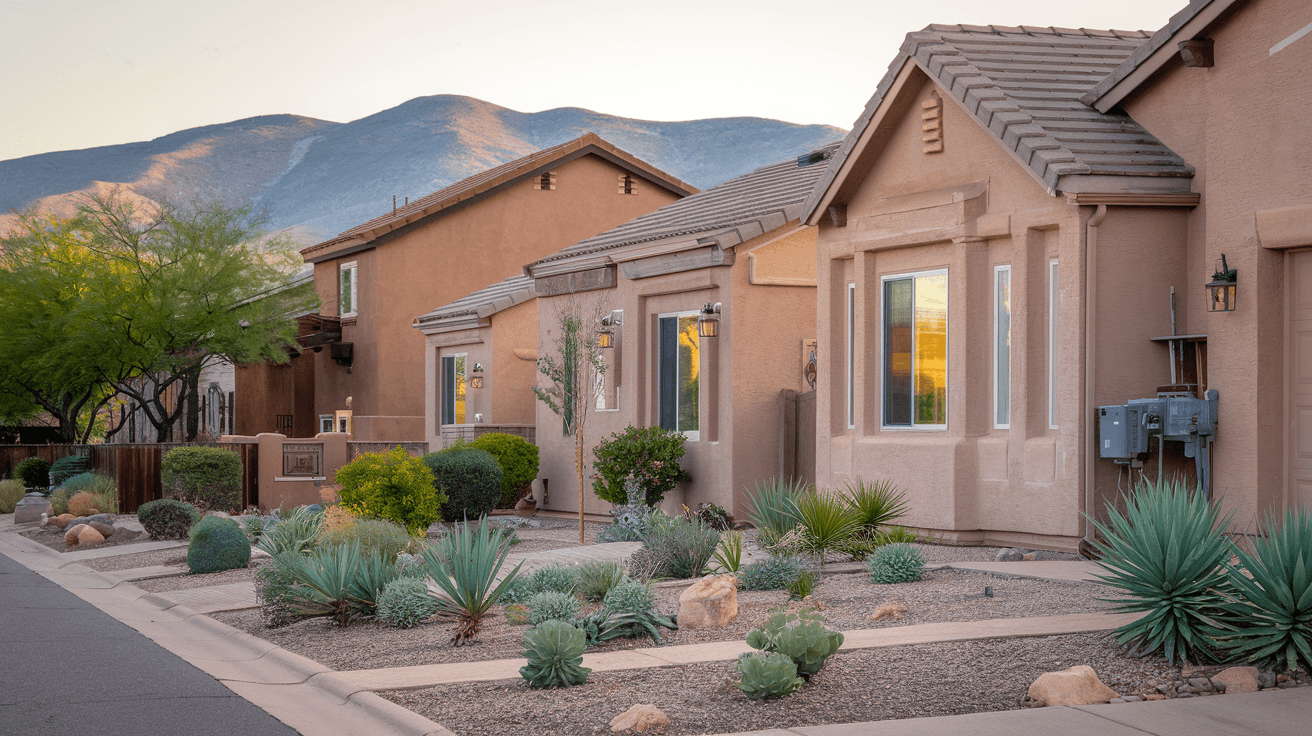
Northeast Heights continues to be the most competitive overall submarket in the metro. The combination of top-tier schools in the La Cueva zone, proximity to Sandia National Laboratories on Eubank, and mature trees and established streets creates a floor of demand that does not fluctuate much with interest rates.
Rio Rancho has become a full market unto itself. The Intel campus expansion is the defining story of 2025 and 2026 in the metro, and it has converted Rio Rancho from an affordable alternative to Albuquerque proper into a destination in its own right. Homes near the Southern Boulevard and Unser corridors are moving fast. Buyers from out of state — particularly from Arizona and California — are targeting Rio Rancho specifically because the combination of Intel employment and New Mexico's lower property taxes creates an economic case that is hard to argue with.
The South Valley remains one of the most undervalued areas in the metro relative to its character and amenities. The stretch along Isleta Boulevard south of Bridge has seen quiet appreciation as buyers discover that the combination of green chile farms, the bosque, and relatively easy access to Downtown Albuquerque via I-25 makes it far more practical than its reputation suggests.
Downtown and EDo (East Downtown) continue to attract a specific type of buyer — people who want walkability, who care about the cultural corridor along Central, and who are comfortable with urban living in a city that has historically been car-dependent. The Sawmill and Wells Park neighborhoods adjacent to Downtown have seen some of the most interesting price movement in the metro over the past 18 months.
Buyer Strategy for Spring 2026
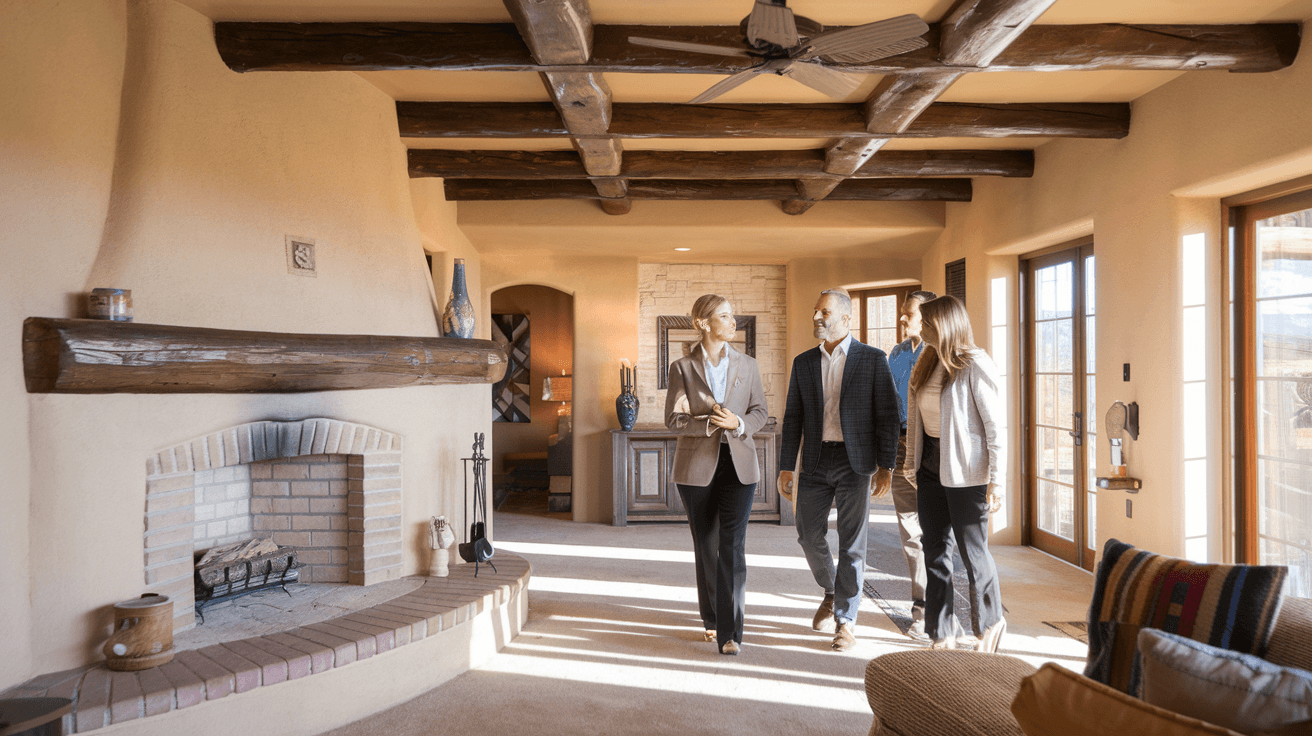
If you are buying this spring, three things matter more than anything else.
First, your financing needs to be airtight before you start touring homes. In a market where 22-day average DOM means the best homes are gone before most buyers have a chance to schedule a second showing, walking into a listing without a fully underwritten approval letter puts you behind every other serious buyer in the room. Call your lender before you call your agent.
Second, know your non-negotiables before you make your first offer. In a competitive situation, buyers who have internally resolved the question of what they will and will not compromise on make faster, cleaner decisions. The buyers who get houses are the ones who can write a strong offer on a Friday night without needing a weekend to think about it.
Third, do not let rate anxiety paralyze you. Mortgage rates in the 6.5% to 7% range are not historically unusual — they are historically normal. The era of 3% rates was the anomaly. Buyers who are waiting for rates to return to 3% before purchasing may be waiting a very long time while the homes they want appreciate past their budget.
Seller Strategy for Spring 2026
If you are selling this spring, the 2.8-month supply number is working in your favor, but it is not a blank check.
Pricing discipline still matters. Albuquerque buyers in 2026 are more data-literate than they have ever been. They have Zillow, Redfin, and Realtor.com on their phones, and they know when a home is priced 10% over its comparable sales. Overpriced listings are sitting longer in this market than they did two years ago, and the stigma of days on market accumulates fast. Price right from day one.
Condition matters more than it used to. In the frenzy years, buyers overlooked deferred maintenance because inventory was so scarce. That tolerance has contracted. A home that would have sold over-asking with peeling paint and a 25-year-old water heater in 2021 now needs to address those issues before listing or accept a price reduction.
Spring is genuinely the best time to sell in Albuquerque. The combination of pleasant weather, a surge in buyer activity, and the natural visual appeal of the Sandias and the Rio Grande Valley in April and May creates conditions that are hard to replicate in any other season. If you are thinking about selling and you have flexibility on timing, this window — now through Memorial Day — is the one to target.
The Big Picture
Albuquerque's housing market in spring 2026 reflects the broader reality of a mid-sized Sun Belt city that has become genuinely desirable without having fully repriced to reflect that desirability. Compared to Denver, Phoenix, or Austin, the median price of $348,000 still looks like a bargain to anyone arriving from those markets. That gap has been driving in-migration, and in-migration has been sustaining demand in a way that has kept the market moving even as interest rates stayed elevated.
The fundamental story here is not about speculation or investor activity. It is about people choosing Albuquerque — for the Sandia Labs jobs, for the University of New Mexico, for Presbyterian and Lovelace health systems, for the outdoor lifestyle, and for a quality of life that costs significantly less than comparable cities. That story does not reverse quickly, and it means the spring 2026 market, while not explosive, is genuinely supported by real demand.
If you want a specific analysis of what your home is worth right now, or a detailed breakdown of what your budget will buy in a specific neighborhood, I am glad to talk through the numbers. Reach out directly — that conversation is always free.
Want more insider intel?
Subscribe to get market updates and new articles delivered to your inbox.