
Albuquerque Home Inspection Red Flags 2026: Stucco Cracks, Swamp Cooler Age, and What the Desert Does to Roofs, Foundations, and HVAC
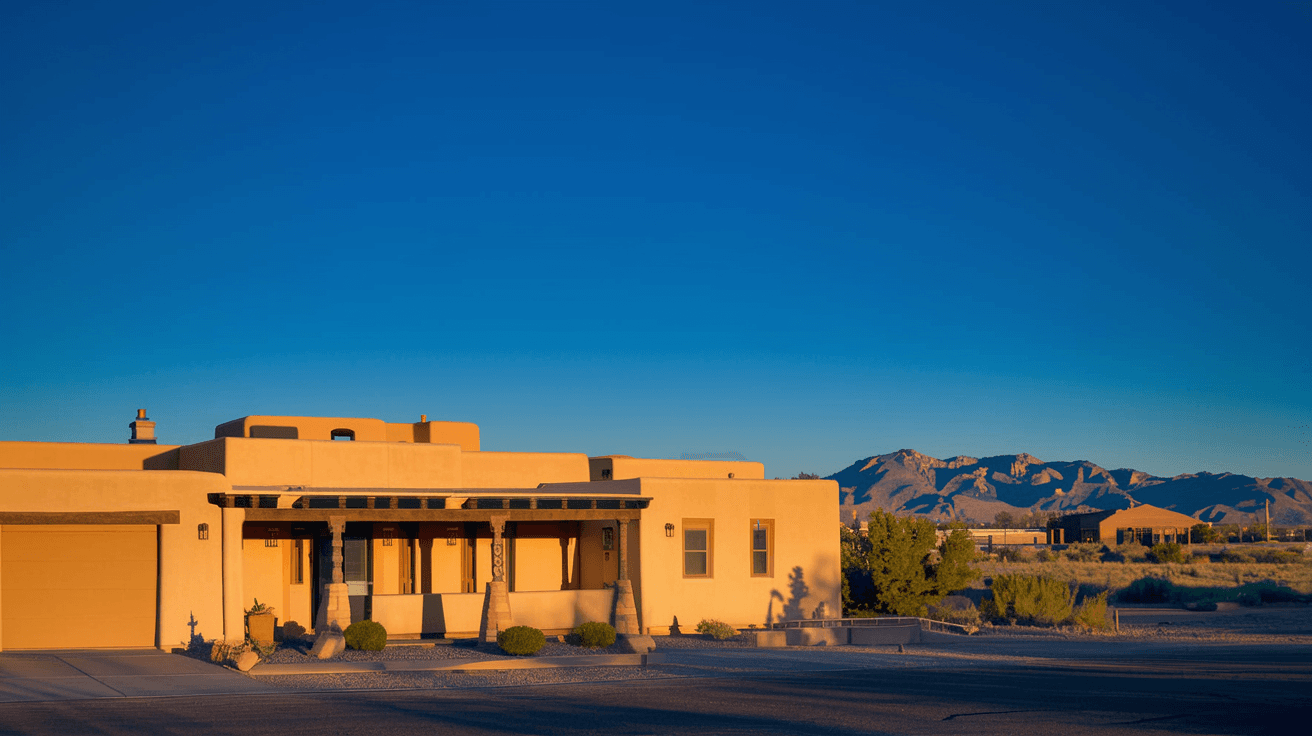
If you have spent any time driving through the North Valley, Nob Hill, or the older streets off Rio Grande Boulevard, you already know that Albuquerque homes have a character all their own. Adobe walls, flat roofs, vigas poking through plaster, evaporative coolers sitting up top like little tin hats. It is charming. It is genuinely beautiful. And it comes with a very specific set of things that can go sideways if you are not paying attention during your Albuquerque home inspection in 2026.
The high desert is not kind to buildings in the way a temperate climate might be. You get 300-plus days of sun, dramatic temperature swings between morning and afternoon, monsoon moisture that shows up fast and hard in July and August, and soil that shrinks and expands depending on how much water it has seen lately. All of that adds up to inspection issues that are genuinely unique to this place. A home inspector who moved here from the Pacific Northwest six months ago is going to miss things that a seasoned local inspector will catch immediately.
Here is what you need to watch for.
Stucco Home Inspection New Mexico: Reading Cracks Like a Local
Stucco is everywhere in Albuquerque, and for good reason. It handles the dry heat well, it looks right against a Sandia Mountain backdrop, and it has been the exterior finish of choice here for generations. But stucco and the desert have a complicated relationship, and knowing how to read stucco cracks is one of the most valuable skills you can bring to a home showing.
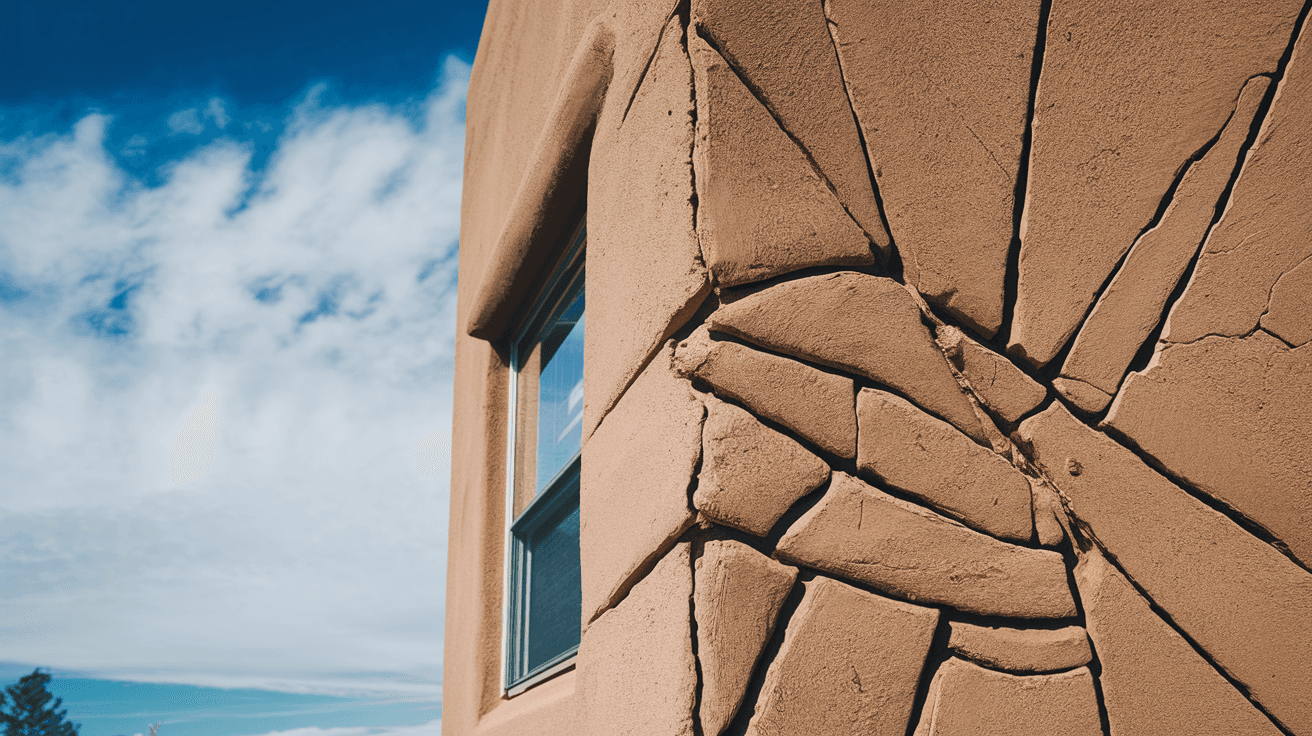
Not every crack is a catastrophe. Hairline cracks in stucco are almost universal in New Mexico homes, especially on older properties in places like Barelas or the Wells Park neighborhood. These surface-level fractures happen as the stucco expands and contracts through daily temperature cycles. A hairline crack that is consistent in width, shallow, and not located near a window corner or door frame is generally a cosmetic issue.
The cracks that should make you pause are a different animal entirely:
- •Diagonal cracks running from the corners of windows or doors often signal foundation movement rather than simple surface shrinkage
- •Stair-step cracking along brick or block sections beneath stucco suggests differential settling
- •Horizontal cracks near the base of a wall can indicate soil pressure or moisture intrusion from below
- •Cracks wider than a quarter inch that show displacement, meaning one side sits higher than the other, are a serious structural flag
- •Cracks with efflorescence (that white chalky mineral residue) tell you water has been moving through the wall repeatedly
One thing that surprises a lot of buyers: stucco on older Albuquerque homes is often applied directly over adobe brick or hollow clay tile. When moisture gets behind that stucco layer and reaches the adobe, the damage can be extensive and expensive, because adobe does not recover the way wood-framed walls do. A good inspector will probe suspicious areas and may recommend a moisture meter reading on the interior wall surfaces nearby.
“"In Albuquerque, stucco cracks are a language. You just have to know which dialect you are dealing with. Some are cosmetic. Some are the house telling you something much more serious."
Swamp Cooler Age and Condition: The Evaporative Cooler Reality Check
If you grew up somewhere with central air conditioning, the first time you see a swamp cooler on a roof you might not know exactly what you are looking at. If you have lived in Albuquerque for any length of time, you know that the evaporative cooler is a way of life from May through September, and its condition matters enormously.
Evaporative coolers, also called swamp coolers locally, work by pulling dry outside air through water-soaked pads, dropping the temperature through evaporation. They are efficient and effective in Albuquerque's low-humidity climate. They also have a lifespan, and an aging unit sitting on a roof has multiple ways to cause you grief.
During an inspection, here is what should be on your radar:
- •Unit age: Most evaporative coolers have a functional lifespan of 10 to 15 years. A unit from 2010 or earlier is living on borrowed time, and replacement runs anywhere from $800 to $2,500 depending on size and whether the roof penetration needs work
- •Rust and corrosion: The combination of mineral-heavy Albuquerque water and constant moisture cycling creates rust quickly. A heavily rusted unit may be leaking water onto the roof surface without obvious interior signs yet
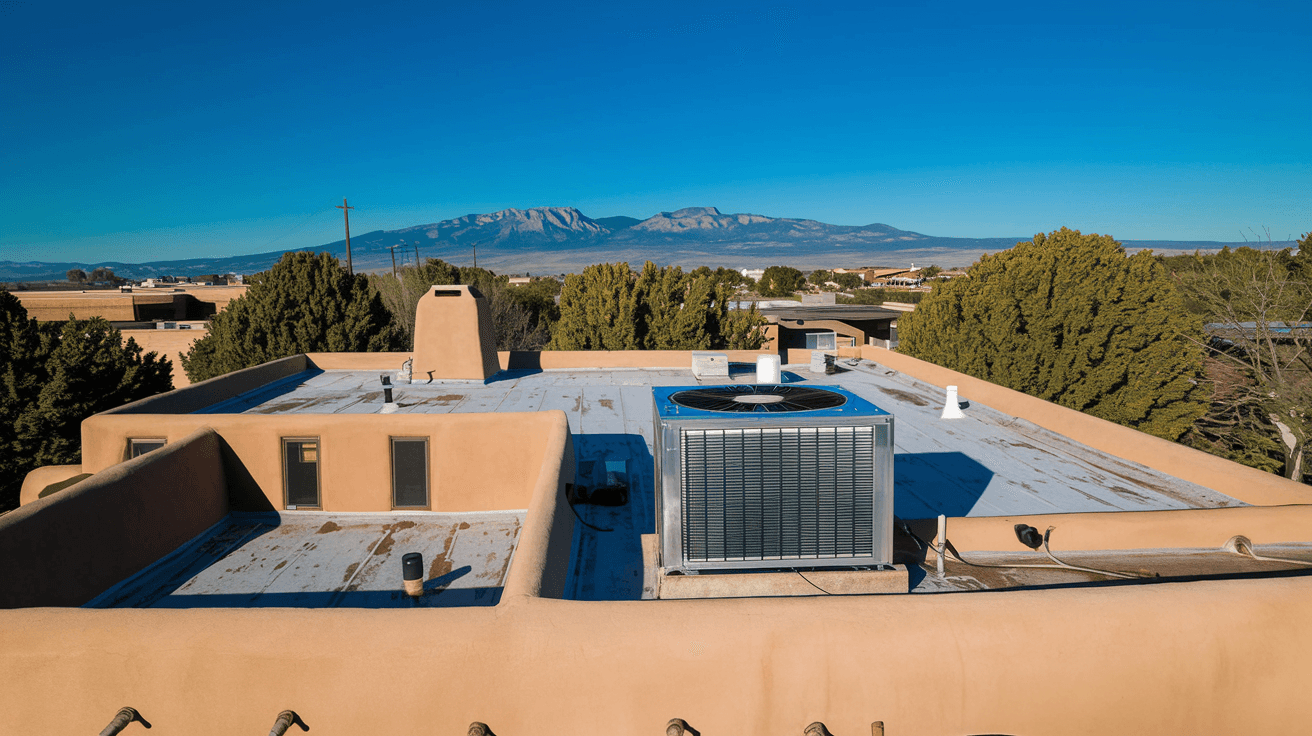
- •Roof penetration condition: The cooler sits on a curb that penetrates the roof membrane. This is one of the most common sources of roof leaks in Albuquerque homes, and it deserves close inspection
- •Water distribution system: Pads, pump, and spider (the water distribution arm) should all be in working condition. Budget for pad replacement every season regardless
- •Ductwork condition: Swamp cooler ductwork in older homes is sometimes sheet metal, sometimes flexible duct, and often partially disconnected in attic spaces
Here is the insider tip that only locals know: in Albuquerque, the seasonal changeover between swamp cooler and furnace is called the switch, and it happens twice a year, usually around mid-October and again in April. A seller who has not done the switch properly, or who has been running the cooler without maintaining the water line shutoff each winter, may have a slow leak situation that has been dripping into the roof assembly for years. Always ask when the cooler was last serviced and by whom.
What Desert UV and Heat Do to Albuquerque Roofs Over Time
Albuquerque sits at roughly 5,300 feet elevation. That altitude, combined with 300-plus days of sunshine annually, means roofing materials here degrade faster than the manufacturer's warranty timeline often suggests. The UV index on a clear July afternoon near Tramway Road is genuinely intense, and flat roofs, which dominate the older Albuquerque housing stock, bear the full brunt of it.
Flat and low-slope roofs are the most common configuration on homes built before the 1980s in this city, and they require a completely different inspection mindset than a pitched shingle roof.
Flat Roof Red Flags in Albuquerque
- •Blistering and bubbling in the roof membrane indicates moisture trapped beneath the surface, often from a previous monsoon season
- •Ponding water evidence: Look for watermarks, algae, or sediment rings on the membrane that indicate water sat after rain events
- •Cracked or shrinking elastomeric coating: Many Albuquerque flat roofs are coated with a white elastomeric product. When it cracks and peels, it stops reflecting UV and stops waterproofing
- •Parapet wall cap condition: The short walls around a flat roof perimeter are a notorious weak point. Cracked or missing cap material lets water funnel directly into the wall assembly
- •Drain and scupper condition: Flat roofs need to drain, and a blocked scupper during a monsoon event can put hundreds of gallons of water on a roof in minutes
For pitched roofs, typically found in newer Albuquerque subdivisions like High Desert or Ventana Ranch, the inspection focus shifts to shingle granule loss, which accelerates significantly at this elevation and in this sun exposure. A roof that looks intact from the street can be years past its functional life when you look at the granule buildup in the gutters.
“"A flat roof in Albuquerque is not a problem waiting to happen. It is a maintenance relationship. The buyers who understand that going in are the ones who never have a bad surprise."
Foundation Issues When Buying an Older Home in Albuquerque NM
Albuquerque's soil is a mixed bag in the most literal sense. Depending on which part of the city you are in, you might be dealing with sandy alluvial soil near the Rio Grande bosque, expansive clay soils in the East Mesa, or a combination that shifts behavior depending on moisture levels. This matters enormously for foundations, and it is one of the areas where buying an older home in Albuquerque NM requires extra diligence.
Expansive clay soils are the main culprit in foundation movement across much of the city. When these soils absorb water, they swell. When they dry out, they shrink. A home that has been through decades of Albuquerque monsoon seasons and drought cycles has been sitting on a surface that moves, and the foundation either accommodated that movement gracefully or it did not.
What Inspectors Look for in Albuquerque Foundations
- •Exterior wall cracks at corners: As noted in the stucco section, diagonal cracking at openings is often a foundation signal
- •Interior door and window alignment: Doors that stick, windows that will not close fully, or visible gaps at frame corners suggest the structure has racked from differential settling
- •Sloped floors: A marble test (placing a marble on the floor and watching it roll) is informal but telling. Significant floor slope in a slab-on-grade home points to settlement
- •Garage floor cracking: The garage slab is often the first place you see evidence of soil movement since it is less protected than the living space
- •Crawl space conditions: Homes with crawl spaces, more common in the South Valley and some older Nob Hill properties, need inspection for wood rot, pest activity, and vapor barrier condition
One thing that is specific to Albuquerque: irrigation and landscaping are a major driver of foundation issues here. Homes with mature trees planted close to the foundation, especially cottonwoods and elms that are common in the North Valley, can have root intrusion and localized soil moisture variation that creates uneven settling. Conversely, homes that have been heavily xeriscaped and kept very dry around the perimeter can see shrinkage settling on the dry side.
HVAC Systems in Albuquerque: What the Desert Climate Does Over Time
Albuquerque HVAC is not a one-size-fits-all situation. Many homes have a combination system, a swamp cooler for summer cooling and a gas furnace for winter heat. Some newer homes have full refrigerated air. Some older properties have neither working properly, and that is a negotiating point worth understanding before you make an offer.
Gas furnaces in Albuquerque homes typically have a lifespan of 15 to 20 years. The dry air here is actually somewhat gentler on heat exchangers than humid climates, but the age question still matters. A cracked heat exchanger is a carbon monoxide risk, and it is non-negotiable on an inspection report.
For homes with refrigerated air conditioning, the desert environment creates specific wear patterns:
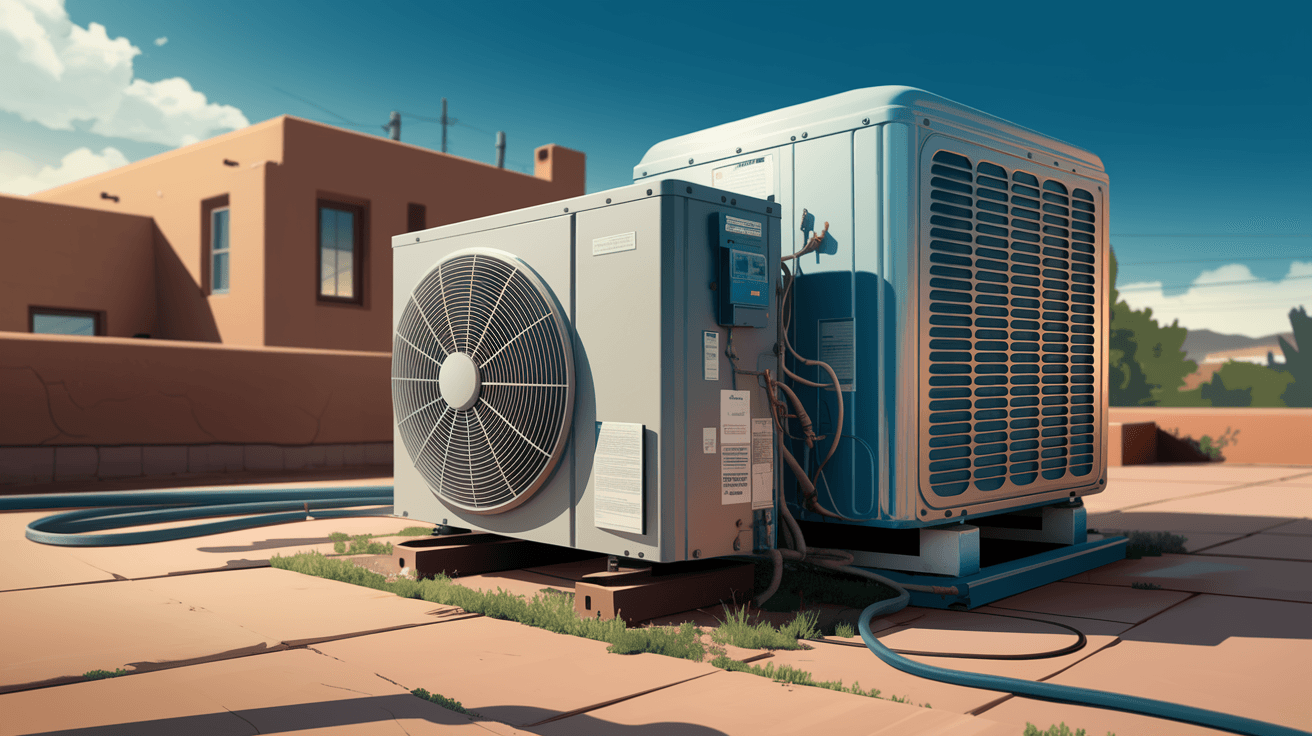
- •Condenser coils on the exterior unit accumulate dust and cottonwood fluff (in the bosque neighborhoods, this is a serious maintenance issue every spring)
- •UV exposure degrades refrigerant line insulation faster than in shaded climates
- •Compressors work harder in Albuquerque's summer heat, especially during the stretch of 100-degree days that have become more common in recent years
- •Ductwork in attic spaces experiences extreme temperature differentials, which accelerates seal failure at joints
During an Albuquerque home inspection in 2026, ask specifically for the HVAC systems to be operated during the inspection. If a seller has a swamp cooler and the inspection happens in March before it has been started for the season, push for a credit or a service verification rather than accepting an untested unit.
How to Use Inspection Findings When Buying a Home in Albuquerque
Knowing what to look for is only half the equation. The other half is knowing what to do with what the inspector finds.
In Albuquerque's current market, inspection findings are negotiating tools, not automatic deal-killers. A home on Girard with a 15-year-old swamp cooler and some hairline stucco cracks is not a lemon. It is a home that has lived through New Mexico weather, and its condition reflects that honestly. The question is always whether the price reflects the condition and what the seller is willing to address.
Here is a practical framework for working through findings:
- •Safety issues first: Cracked heat exchangers, active roof leaks, foundation movement that is ongoing rather than historic, these get addressed or credited before closing, full stop
- •Deferred maintenance second: Aged swamp coolers, degraded roof coatings, and worn HVAC components are priced into a negotiation as repair credits or seller concessions
- •Cosmetic and minor items last: Hairline stucco cracks, minor grading issues, and small punch-list items are typically handled by the buyer after closing
If you are working through this process and want a team that knows which Albuquerque inspectors are genuinely thorough on desert-specific issues, reach out to The Taylor Team at Berkshire Hathaway HomeServices. We work with buyers across the metro every week and can point you toward inspectors who have seen the inside of enough North Valley adobes and East Side stucco ranches to know exactly what they are looking at.
Albuquerque homes are built for this place. The materials, the architecture, the construction methods, they all make sense here. But they do require eyes that understand the desert context. Walk into your inspection knowing what questions to ask, and you will be in a genuinely strong position to make a smart decision about one of the most significant purchases you will ever make.
Want more insider intel?
Subscribe to get market updates and new articles delivered to your inbox.