
Albuquerque ADU Investment 2026: Zoning Rules, Casita Rental Income, and Which Quadrants Pay Off Most
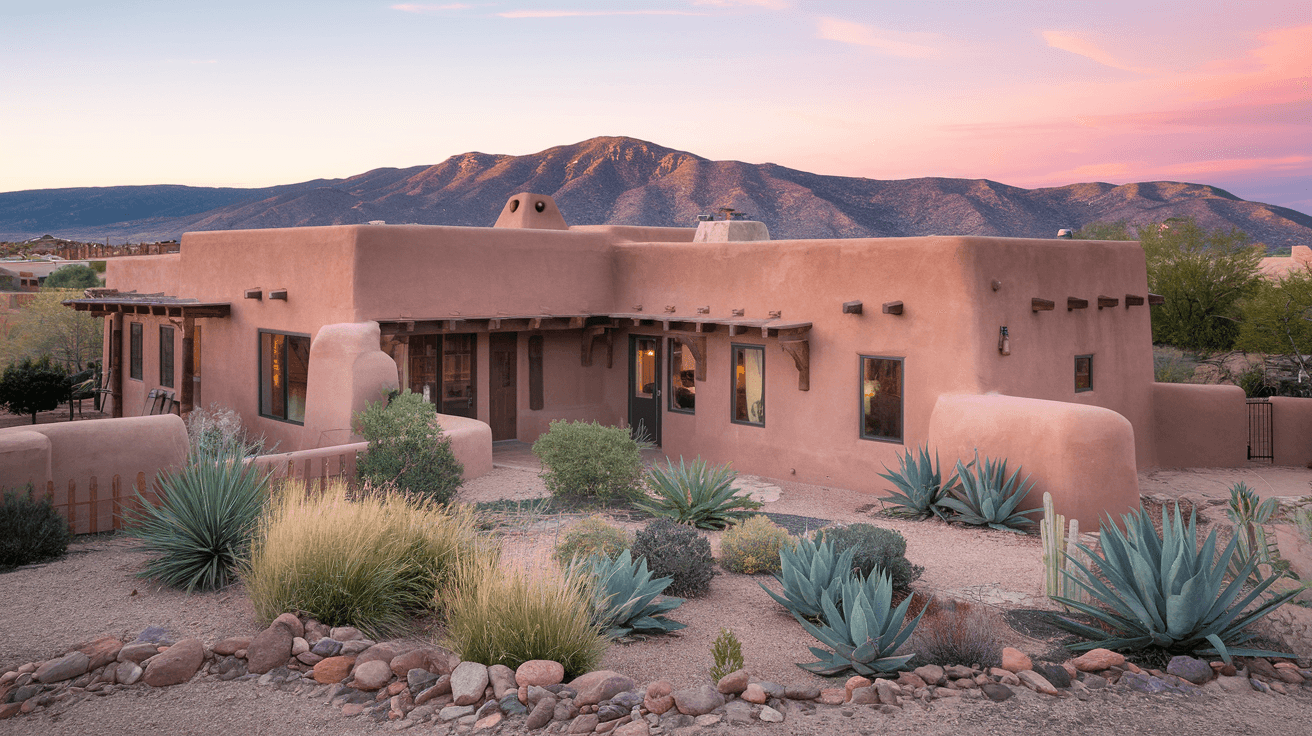
If you've driven through the North Valley lately, or cut through the older streets off Coal Avenue SE, you've probably noticed something: casitas are everywhere. Some are freshly stuccoed with new metal roofs, some are tucked behind bougainvillea-draped walls, and some have clearly been quietly housing tenants for decades. What's changed is that more Albuquerque homeowners are now building them intentionally, with a spreadsheet in hand, thinking about Albuquerque ADU investment in 2026 as a real wealth-building strategy rather than just a place to put visiting relatives.
This guide is for people who want the honest picture. Not the rosy version, not the fear-mongering version. Just what the zoning actually says, what rents look like in different parts of town, and where your money is most likely to work hard for you.
Albuquerque ADU Zoning Rules in 2026: What the City Actually Allows
The City of Albuquerque has been steadily loosening accessory dwelling unit Albuquerque zoning restrictions over the past several years, and 2026 is a genuinely good moment to take advantage of that momentum before any political winds shift.
Under the current Integrated Development Ordinance (IDO), which governs most residential land use in the city, ADUs are permitted by right on most single-family lots zoned R-1 through R-ML. That means you do not need a variance or a public hearing in most cases. You submit your plans, pay your fees, and get your permits. It is not always fast, but it is predictable.
Here is what the current rules generally allow:
- •Detached ADUs (what most people call casitas) are permitted on lots of 6,000 square feet or larger in most residential zones
- •Maximum size is typically 650 square feet for a detached unit, though some zones allow up to 800 square feet
- •The unit must comply with setback requirements, usually 5 feet from side and rear property lines
- •Owner-occupancy is no longer required in Albuquerque for ADU rentals, which opened the door for investor-owned properties to add units
- •Separate utility metering is allowed, which matters enormously for rental management
- •Parking requirements for the ADU were relaxed in areas within a quarter mile of transit corridors, which covers a surprising amount of the city along Central Avenue and the Rapid Ride routes
One thing that catches people off guard: the permit process through the City's Development Services Department can take anywhere from six weeks to four months depending on plan complexity and current workload. If you are planning to have a casita generating income by summer 2026, you want to have submitted plans by late fall 2025 at the absolute latest. This is not the kind of project where you can decide in March and collect rent by June.
“"The zoning changes in Albuquerque have quietly made casita development one of the most accessible real estate strategies in the Southwest. The window is open, but it will not stay this wide forever."
Casita Rental Income Albuquerque: What Are These Units Actually Earning?
Let's talk numbers, because that is really what this comes down to.
Casita rental income in Albuquerque varies significantly by neighborhood, unit quality, and whether you are going long-term or short-term. Here is a realistic breakdown based on what is actually moving in the current market.
Long-Term Rental Income by Unit Type
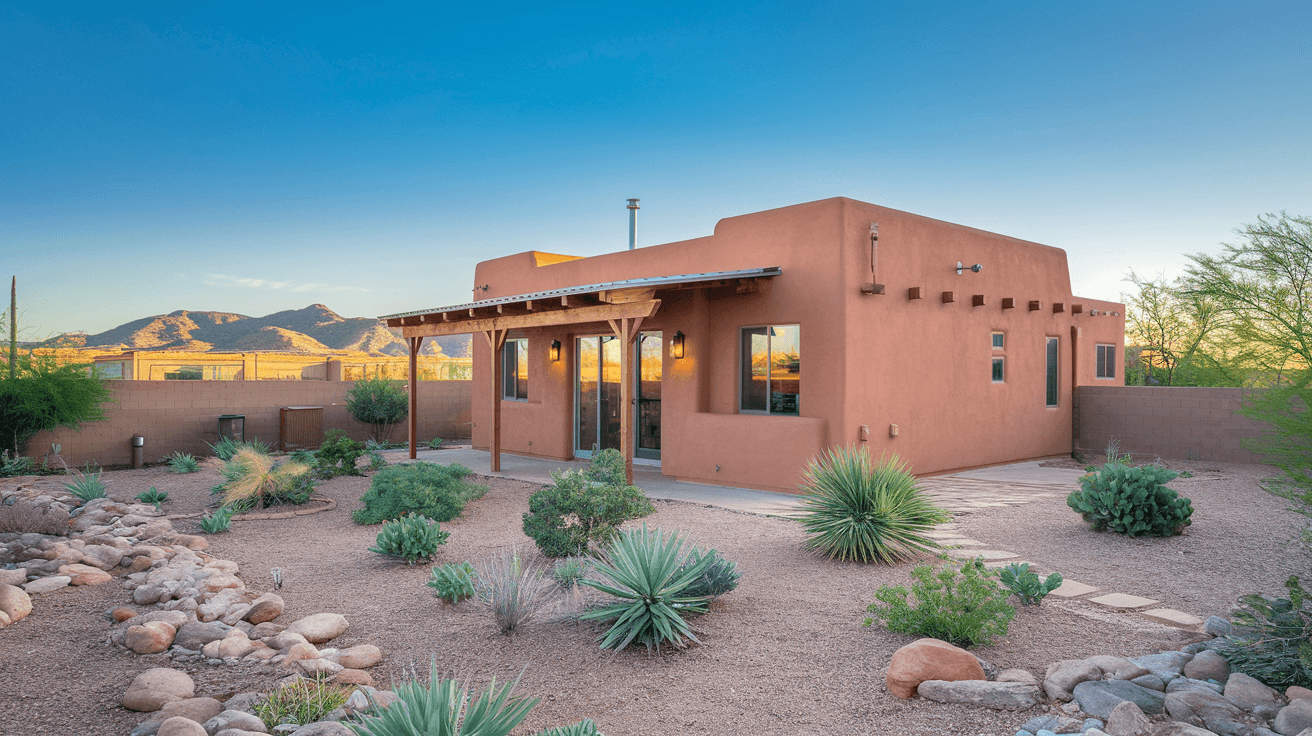
For a well-finished 500-600 square foot detached casita with one bedroom, in-unit laundry, and its own private entrance:
- •Near Nob Hill or the UNM corridor: $1,100 to $1,450 per month
- •North Valley or Los Ranchos: $1,000 to $1,300 per month
- •Northeast Heights (near Tramway or Academy): $950 to $1,200 per month
- •South Valley or Barelas: $800 to $1,050 per month
- •Rio Rancho adjacent (Northwest side): $850 to $1,100 per month
These are not pie-in-the-sky numbers. These are what landlords are actually getting right now for clean, updated units with separate entrances and privacy.
Short-Term Rental Considerations
If you are thinking Airbnb or VRBO, Albuquerque does have a short-term rental ordinance that requires registration and limits certain zones. The Nob Hill and Old Town adjacents tend to perform well for short-term because of walkability and tourism proximity. A well-marketed casita near Central and Carlisle can pull $80 to $130 per night with solid occupancy during Balloon Fiesta, the New Mexico State Fair, and Green Chile season. That said, managing short-term rentals is a part-time job, and the long-term math often favors a reliable tenant over nightly hustle.
Build Cost vs. Return
A reasonably finished detached casita in Albuquerque currently runs $90,000 to $160,000 to build, depending heavily on finishes, utility connections, and site conditions. If you are in the older parts of the city, getting a sewer lateral extended to a rear unit can add unexpected costs. Budget conservatively.
At $1,200 per month in rent, a $130,000 build cost gives you a gross yield of about 11% before expenses. Even after vacancy, maintenance, and insurance, you are looking at a cash-on-cash return that most stock market portfolios would envy in a sideways year.
Which Albuquerque Quadrants Offer the Strongest ADU Returns
Albuquerque's four quadrants are not created equal when it comes to ADU investment returns, and understanding the micro-market differences is where local knowledge really earns its keep.
Northeast Heights: Strong Demand, Competitive Lots
The Northeast Heights, stretching from Menaul up toward the Sandia foothills, has some of the most consistent rental demand in the city. Proximity to Sandia National Laboratories, Kirtland Air Force Base, and Presbyterian Hospital creates a steady pool of professional tenants who want quality and stability. Lot sizes in older sections near Montgomery and Candelaria are often generous enough to accommodate a casita without feeling cramped.
The challenge here is land cost. With the metro median home price sitting at $385,000 and the Northeast Heights running above that in many pockets, your acquisition cost is higher. But the rental premiums follow, and vacancy rates in this quadrant are among the lowest in the city.
Nob Hill and the UNM Corridor: Highest Rent Per Square Foot
If you want casita rental income in Albuquerque at the top of the market, the area between Girard and Washington along Central Avenue is your target zone. Nob Hill's median home price sits around $375,000, which is actually slightly below the metro median despite its desirability, partly because the lot sizes are smaller and the housing stock older.
But here is the thing: tenants in Nob Hill will pay a premium to walk to Zinc Wine Bar, Bookworks, or the Flying Star on Central without getting in a car. UNM graduate students, hospital staff from Presbyterian's nearby facilities, and young professionals with remote jobs all compete for good rentals here. A sharp casita with modern finishes near the intersection of Lead and Girard can command top-of-market rents and rarely sits vacant.
“"In Nob Hill, a well-built casita is not just a rental unit. It is a lifestyle product. Tenants pay for walkability, character, and proximity to everything that makes Albuquerque feel like itself."
The school district here falls under APS, with Highland High School serving the area. Families do rent casitas, and the school assignment matters to them, so it is worth knowing.
North Valley and Los Ranchos: Character, Land, and a Different Buyer
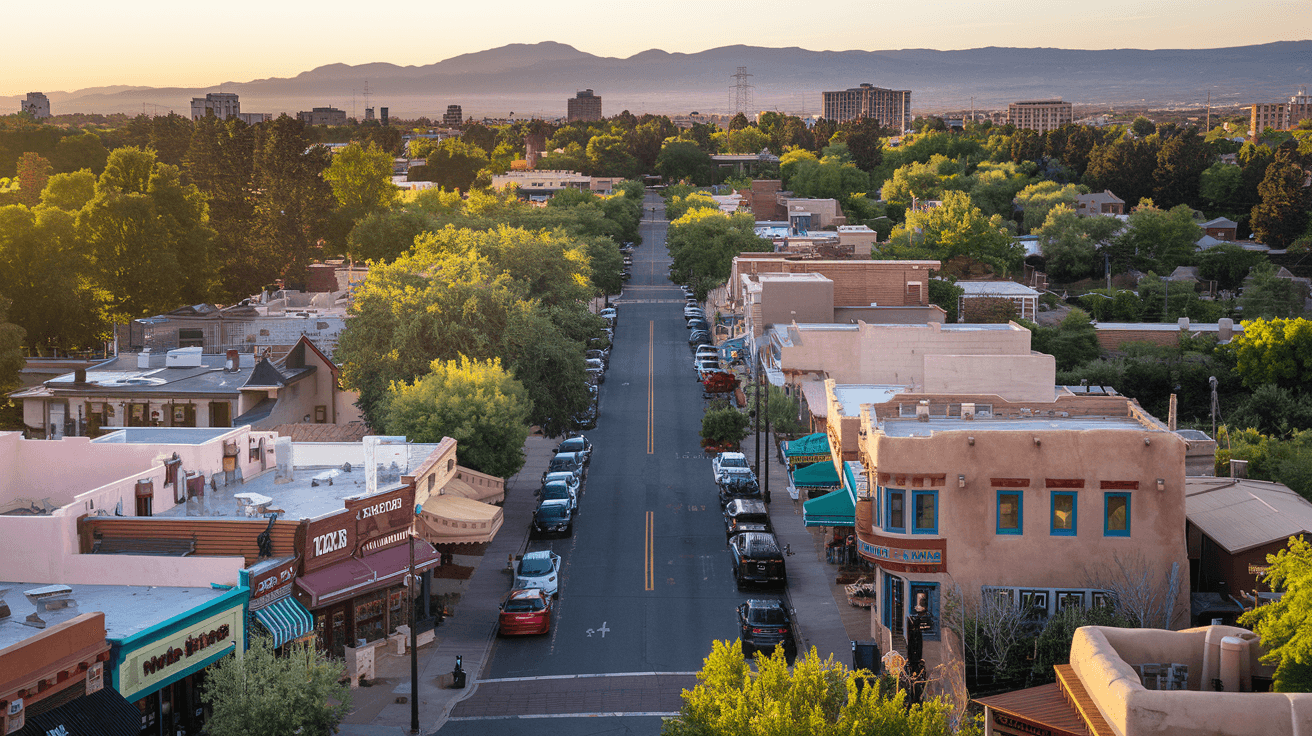
The North Valley is its own world. Acequia systems, horse properties, massive cottonwoods, and a pace of life that feels genuinely separate from the rest of the city. Lot sizes here are often large enough to add a casita with room to spare, and the agricultural zoning overlays in some parts of Los Ranchos actually allow for more flexibility than standard residential zones.
The insider tip worth knowing: some North Valley properties along 4th Street NW and Rio Grande Boulevard sit in zones where two or even three dwelling units are permitted outright, particularly on larger parcels that predate the current IDO. If you are buying in this area, have a zoning attorney or a knowledgeable agent pull the exact zoning designation before you close, because the upside on a multi-unit parcel in Los Ranchos is significant.
Rents here skew slightly lower than Nob Hill but the tenant quality tends to be excellent, turnover is low, and the lifestyle appeal of the North Valley draws people who stay for years.
Southeast and South Valley: Value Play with Growing Demand
The Southeast quadrant, particularly the areas around Barelas, Martineztown, and the emerging pockets near the Rail Yards, is where the value-oriented ADU investment story is being written right now. Home prices are lower, which means your acquisition cost is lower, and the neighborhood trajectory is moving in the right direction.
The Rail Yards Market has become a genuine anchor for the area. Barelas Coffee House on 4th SW has regulars who would never consider leaving the neighborhood. And the city's continued investment in the Paseo del Bosque Trail and riverfront access makes the South Valley more attractive to outdoor-oriented renters every year.
The trade-off is that rents have not yet caught up to what the Northeast Heights or Nob Hill command. But if you are buying a property at $250,000 and spending $110,000 on a casita, your total basis is dramatically lower, and your yield on a $950 per month rental is actually quite competitive.
Financing an ADU in Albuquerque: How Most People Are Doing It
Most homeowners adding a casita are not writing a check. They are using one of several financing approaches that make the math work without requiring a massive cash outlay.
- •Home equity line of credit (HELOC): With Albuquerque home values having appreciated steadily, many owners have significant equity to draw on. A HELOC typically offers the most flexibility for construction projects with variable timelines.
- •Cash-out refinance: Less popular in a higher-rate environment, but still used when the equity position is strong enough to absorb the new payment while the casita adds rental income.
- •Construction-to-permanent loans: Some local lenders and credit unions in Albuquerque, including Nusenda Credit Union and New Mexico Bank and Trust, offer products specifically designed for ADU construction that roll into a permanent mortgage.
- •FHA 203(k) rehabilitation loans: If you are buying a property that already has a dilapidated structure you want to convert to a casita, this product can fold renovation costs into your purchase financing.
With the current market showing a list-to-sale ratio of 97.8% and average days on market at 31 days, properties with existing casitas or ADU potential are moving quickly. There are about 3,850 active listings in the metro right now with roughly 3.9 months of inventory, which means you have some room to negotiate but not unlimited time to deliberate.
If you are seriously evaluating properties for ADU potential, reach out to The Taylor Team at Berkshire Hathaway HomeServices. We can help you identify which listings have the lot dimensions, zoning, and utility infrastructure to support a casita build, before you make an offer, not after.
What to Watch in 2026: Risks and Opportunities
No investment comes without its complications, and Albuquerque ADU investment in 2026 is no different.
On the opportunity side, the state legislature has been discussing additional preemption of local zoning rules that could further streamline ADU permitting statewide. If that passes in the 2026 session, it could reduce the permit timeline and expand where ADUs are permitted by right, which would increase the value of existing ADU properties.
On the risk side:
- •Construction costs in New Mexico have remained elevated due to supply chain and labor dynamics. Get multiple bids and build a 15% contingency into your budget.
- •Short-term rental regulation could tighten. Albuquerque has shown a willingness to regulate STRs, and if housing affordability pressure continues, additional restrictions are possible.
- •Property tax reassessment after adding a casita is real. New Mexico's property tax system does reassess when permitted improvements are made. The increase is typically modest but should be factored into your projections.
- •Utility capacity: In some older Albuquerque neighborhoods, the water and sewer infrastructure has limited capacity for additional connections. The city requires a capacity check as part of the permit process.
The fundamentals, though, remain solid. Albuquerque is not a speculative market. It is a steady, demand-driven market with a diverse employment base, a growing film industry, continued federal investment at Sandia Labs and Kirtland, and a University of New Mexico that generates consistent rental demand year after year.
Adding a well-built, well-located casita to an Albuquerque property in 2026 is one of the more durable wealth-building moves available to local homeowners and investors right now. The city has made it more accessible than it has been in years, the rental demand is real, and the neighborhoods that reward this kind of investment are identifiable with the right local knowledge.
If you want to talk through a specific property or neighborhood, The Taylor Team knows this city block by block. Start that conversation sooner rather than later, because the properties with real ADU potential do not sit on the market for long.
Want more insider intel?
Subscribe to get market updates and new articles delivered to your inbox.