Acequia Albuquerque Home Buying Guide: What North Valley and South Valley Buyers Must Know Before Closing
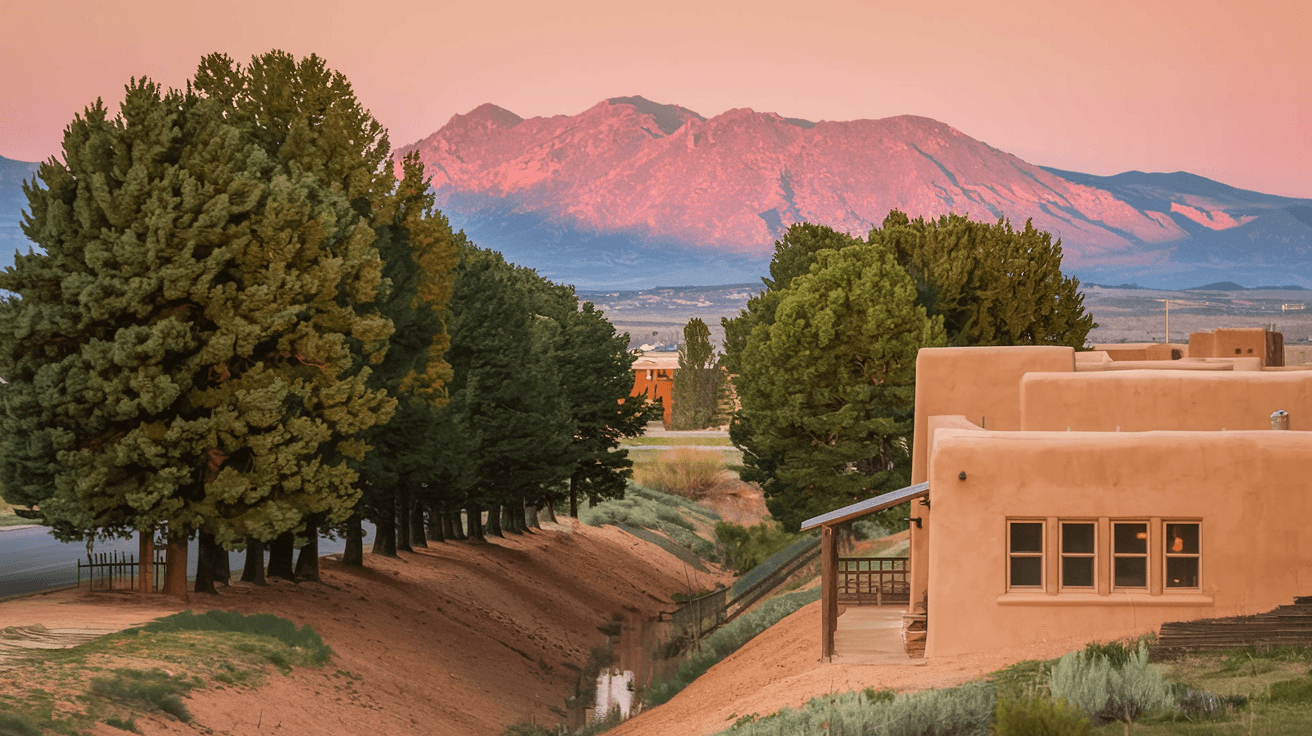
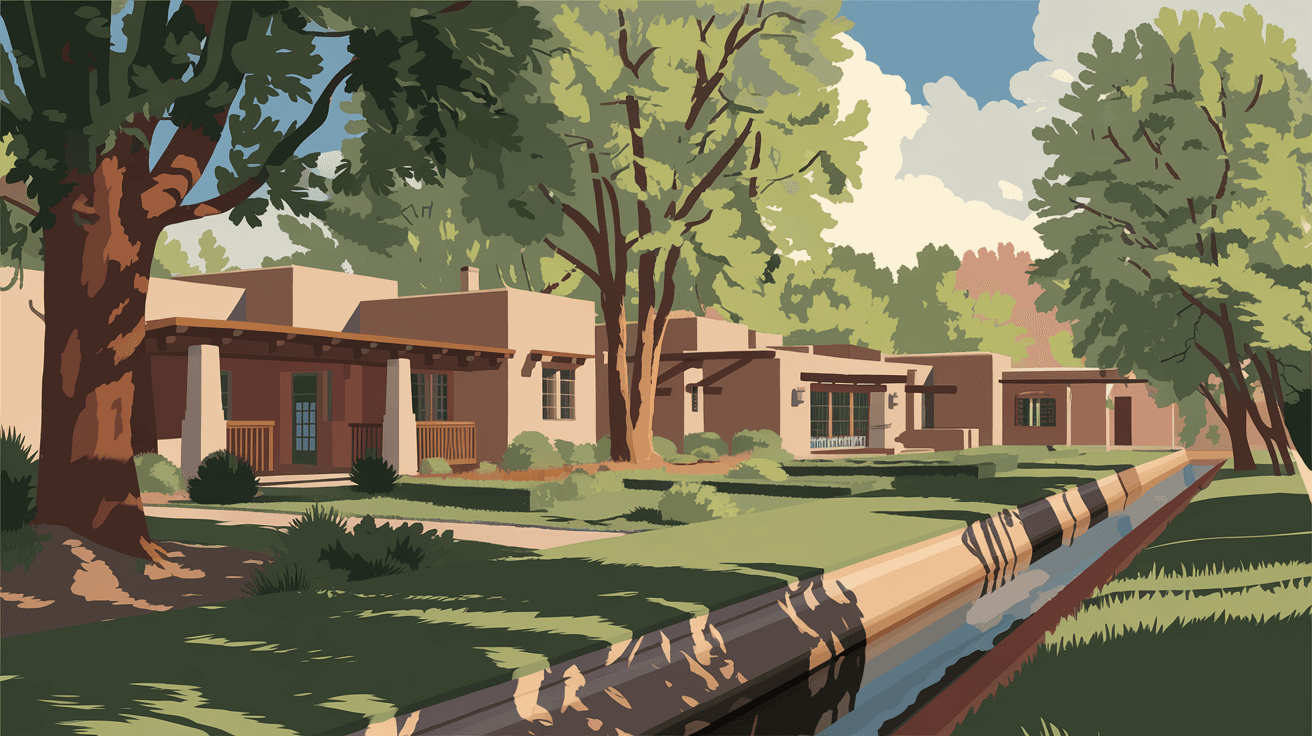
If you have spent any time looking at homes along Guadalupe Trail, Rio Grande Boulevard, or anywhere in the bosque-adjacent neighborhoods stretching from Corrales Road down through the South Valley, you have probably noticed those narrow, earthen channels running alongside fences and through backyards. Those are acequias, and they are one of the most misunderstood features in acequia Albuquerque home buying. Miss them on a disclosure, and they can turn a dream property into a very expensive lesson.
This is not meant to scare you away from these neighborhoods. The North Valley and South Valley are genuinely special places to live. Where else in a major American city can you keep horses, grow a chile garden, and be fifteen minutes from downtown? But buying near an acequia is not like buying a standard suburban home in Rio Rancho or the East Mountains. There are layers of history, water law, and community obligation attached to these channels that every buyer needs to understand before signing anything.
What Is an Acequia and Why Does It Matter for Albuquerque Home Buyers
Acequias are community-managed irrigation ditches with roots going back to Spanish colonial settlement in the Rio Grande Valley. The word itself comes from Arabic, carried into Spanish during the Moorish period, and the system arrived in New Mexico well before the United States existed as a country. Along the stretch of the Middle Rio Grande that runs through Albuquerque, these channels have been moving water from the river to fields and orchards for centuries.
The acequia system in the North Valley and South Valley is managed by several acequia associations, sometimes called mayordomo districts. The mayordomo is the person responsible for maintaining and distributing water along a given ditch. When you buy a property that sits within an acequia district, you may be stepping into a set of rights and responsibilities that run with the land itself, not just with the current owner.
For buyers focused on buying a home near an acequia in Albuquerque, the key question is not just whether there is a ditch on the property. It is whether the property holds an appurtenant water right tied to that acequia, and what that right means for how the land can be used.
Acequia Water Rights in New Mexico Real Estate: How They Transfer at Closing
New Mexico operates under the prior appropriation doctrine, which means water rights are separate from land ownership and follow the principle of "first in time, first in right." This is fundamentally different from how most buyers think about property. You can own the dirt without owning the right to use the water that flows beneath or beside it.
When a property has an acequia water right attached to it, that right should be documented and transferred as part of the sale. Here is where things get complicated, and where a lot of deals go sideways:
- •Water rights may or may not appear on the title commitment depending on how the title company handles them
- •Some sellers do not even know they hold a water right because they have never irrigated the property
- •Severed water rights can be sold separately from land, meaning a previous owner may have already sold the water right away from the property
- •The New Mexico Office of the State Engineer maintains records of adjudicated water rights, but not all North Valley and South Valley water rights have been fully adjudicated
- •Acequia membership dues and maintenance assessments can transfer with ownership
“"In New Mexico, water is often worth more than the land it sits on. For buyers near an acequia in Albuquerque, understanding what water right comes with the property is not optional. It is essential."
If you are buying a property with irrigation potential, a large lot, or any kind of agricultural use in the North Valley or South Valley, your agent should be asking specific questions about water rights before you get to the inspection period. The Taylor Team works with buyers on these properties regularly, and we always recommend ordering a water rights title search in addition to the standard title commitment when acequia proximity is involved. This is not something every agent thinks to ask for, and it can make a significant difference.
How Acequias Affect Property Boundaries, Easements, and Land Use
Beyond the water rights question, the physical presence of an acequia on or near a property creates its own set of considerations.
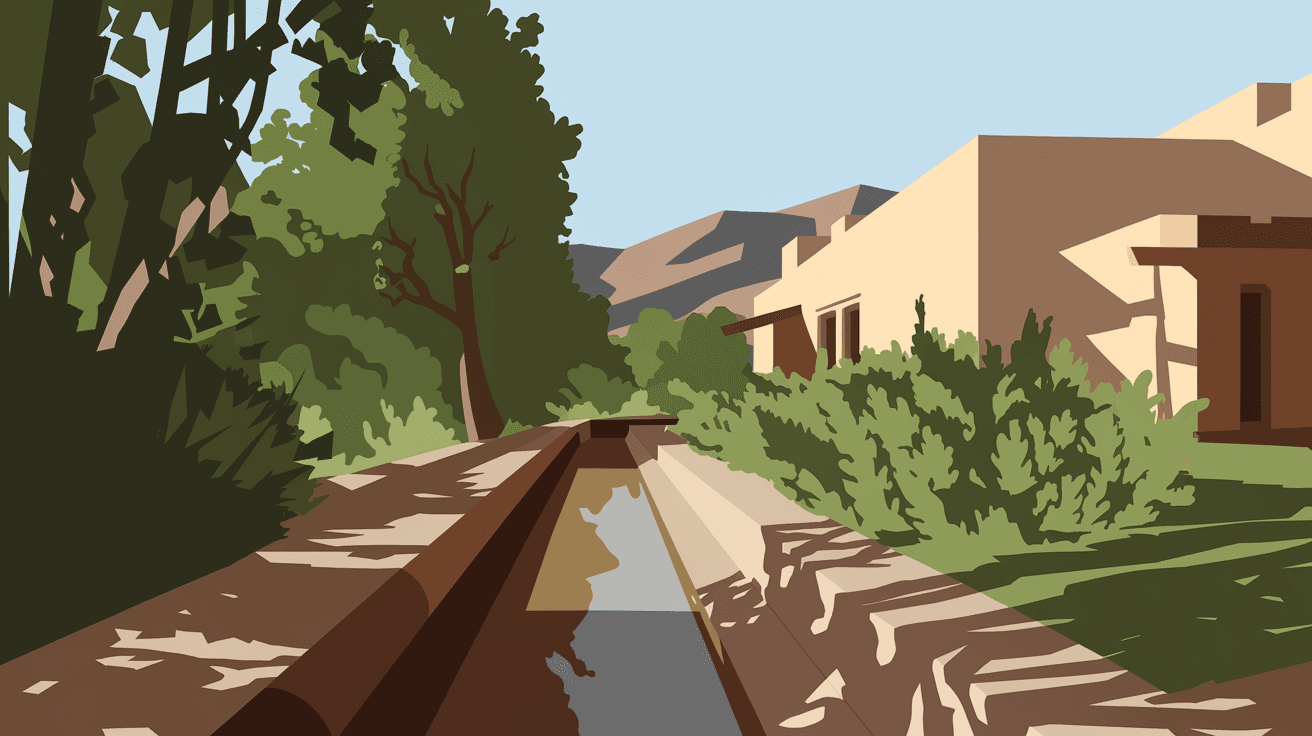
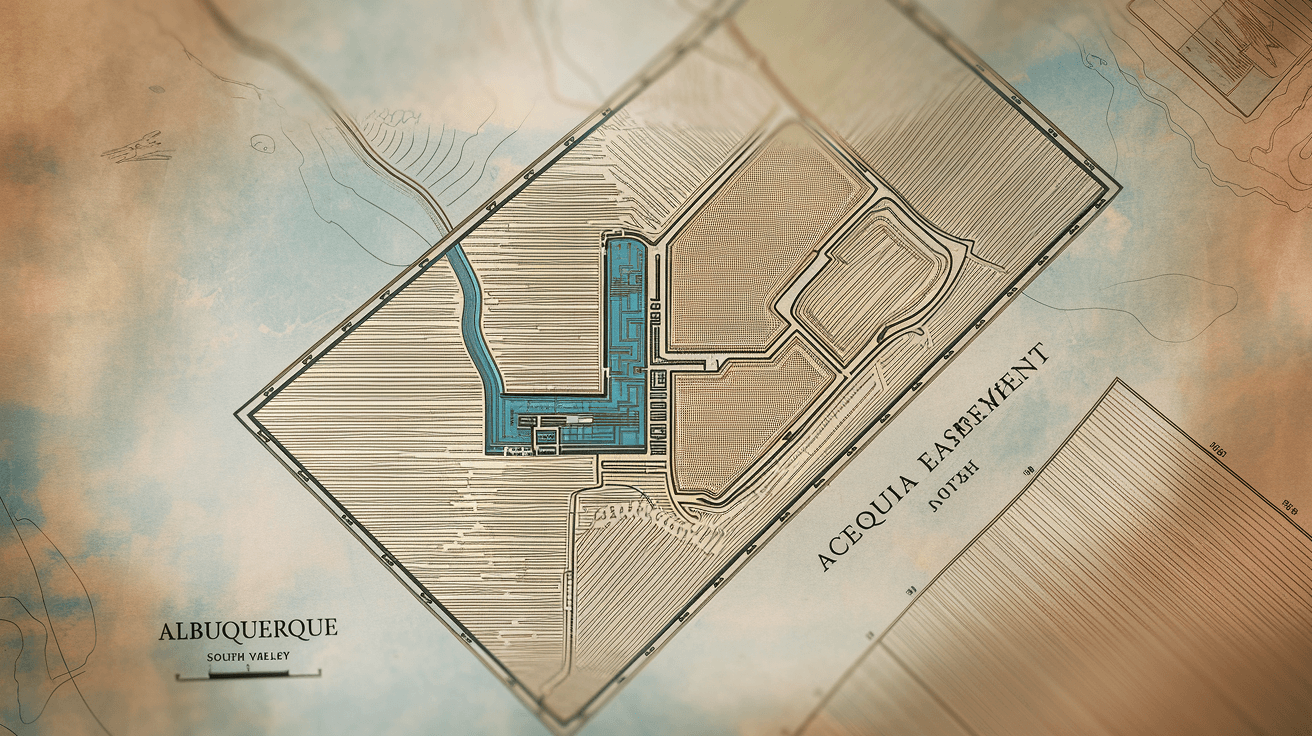
Acequia easements are common throughout the North Valley and South Valley. The acequia association typically holds a right-of-way along the ditch for maintenance purposes. This means the mayordomo or association members may have legal access to a strip of your property to clean, repair, or inspect the channel, usually once or twice a year during the acequia cleaning season in late winter and early spring.
If you are looking at a property on a street like Isleta Boulevard, Old Coors Drive, or anywhere near the Armijo or Atrisco acequia systems in the South Valley, here is what to look for:
- •The location of the acequia relative to the fence line and the property boundary (they do not always match)
- •Whether the ditch runs through the property or adjacent to it
- •Any encroachments where structures, fences, or landscaping have been built over the ditch
- •The condition of the acequia and whether it is active or dry
- •Whether the property is within a floodplain associated with the acequia corridor
Encroachments over acequias are surprisingly common in older neighborhoods. A previous owner may have extended a patio or built a shed directly over the ditch, not realizing the association holds an easement there. This can become a title issue and occasionally requires remediation before closing.
The Acequia Community: Rights, Responsibilities, and Local Culture
Here is the insider knowledge that does not show up in any standard disclosure form.
Buying into an acequia district is not just a legal transaction. It is a cultural and community commitment that goes back generations in these neighborhoods. Many of the families along the acequia corridors in the South Valley have been irrigating the same land since before New Mexico was a state. The acequia association meetings, the spring cleaning days, the shared management of water during dry years, these are living traditions.
Acequia membership in an active district typically comes with:
- •Annual parciante dues (parciante is the term for an acequia member with water rights)
- •An obligation to participate in or contribute to the annual acequia cleaning, usually held in March or April
- •Voting rights in acequia association decisions, including water distribution during drought years
- •Access to irrigation water during designated turns throughout the growing season
For buyers who want to maintain a large vegetable garden, an orchard, or pasture for horses on a North Valley property, active acequia membership can be genuinely valuable. The water delivered through the acequia is adjudicated surface water from the Rio Grande, and it is often more reliable for irrigation than trying to run everything off a well or municipal supply.
For buyers who have no interest in irrigating and just want the space and the rural feel, the acequia may feel like an obligation rather than an asset. Neither perspective is wrong. But you should know which situation you are walking into before you close.
“"The acequia is not just infrastructure. In the North Valley and South Valley, it is a thread connecting neighbors to each other and to hundreds of years of land stewardship along the Rio Grande."
What to Ask Your Agent and Title Company Before Closing on an Acequia Property
If you are under contract on a property near an acequia in Albuquerque, or actively searching in the North Valley or South Valley, here is a practical checklist of questions to raise before you get to the closing table.
Questions for your agent and seller:
- •Is there an acequia water right associated with this property, and has it been adjudicated by the State Engineer?
- •Has any water right been severed or sold separately from the property in the past?
- •Is the property an active parciante in the acequia association?
- •Are there any outstanding acequia dues or assessments?
- •Has the acequia easement ever been disputed or encroached upon?
Questions for your title company:
- •Does the title commitment address acequia water rights, or do we need a separate water rights search?
- •Are there any recorded easements for the acequia on this parcel?
- •Has the acequia association recorded any liens or claims against the property?
Questions for the acequia association (your agent can help you contact them):
- •Is this property currently an active parciante?
- •What are the annual dues and maintenance obligations?
- •When was the last time the acequia was cleaned and what is the current condition?
- •Is the acequia currently delivering water or has it been inactive?
The New Mexico Office of the State Engineer maintains an online database of water rights that is publicly searchable, and your title company or a water rights attorney can pull a full report. On properties above around $400,000 in the North Valley, where you are often getting a half-acre or more with mature cottonwoods and an orchard, this due diligence is absolutely worth the time and cost.
Working With a Real Estate Agent Who Understands Acequia Albuquerque Home Buying
Not every Albuquerque real estate agent has experience navigating acequia transactions. It is a specialized piece of knowledge that comes from actually working in these neighborhoods, not from reading a manual.
The North Valley and South Valley are full of properties where the acequia is either the most valuable feature on the lot or a potential liability that was never properly disclosed. The difference between those two outcomes almost always comes down to whether the buyer had representation from someone who knew what questions to ask.
If you are exploring homes along Rio Grande Boulevard, Guadalupe Trail, the Atrisco area, or anywhere in the bosque corridor between Montano and Isleta, reach out to the Taylor Team before you make an offer. We have worked through acequia disclosures, water rights title searches, and easement questions on properties throughout these neighborhoods, and we are glad to walk you through what to expect before you are already in contract and running out of time.
The North Valley and South Valley are two of the most distinctive and rewarding places to own a home in Albuquerque. The acequias are part of what makes them that way. Understanding them before you close is just part of buying right in these communities.
Want more insider intel?
Subscribe to get market updates and new articles delivered to your inbox.